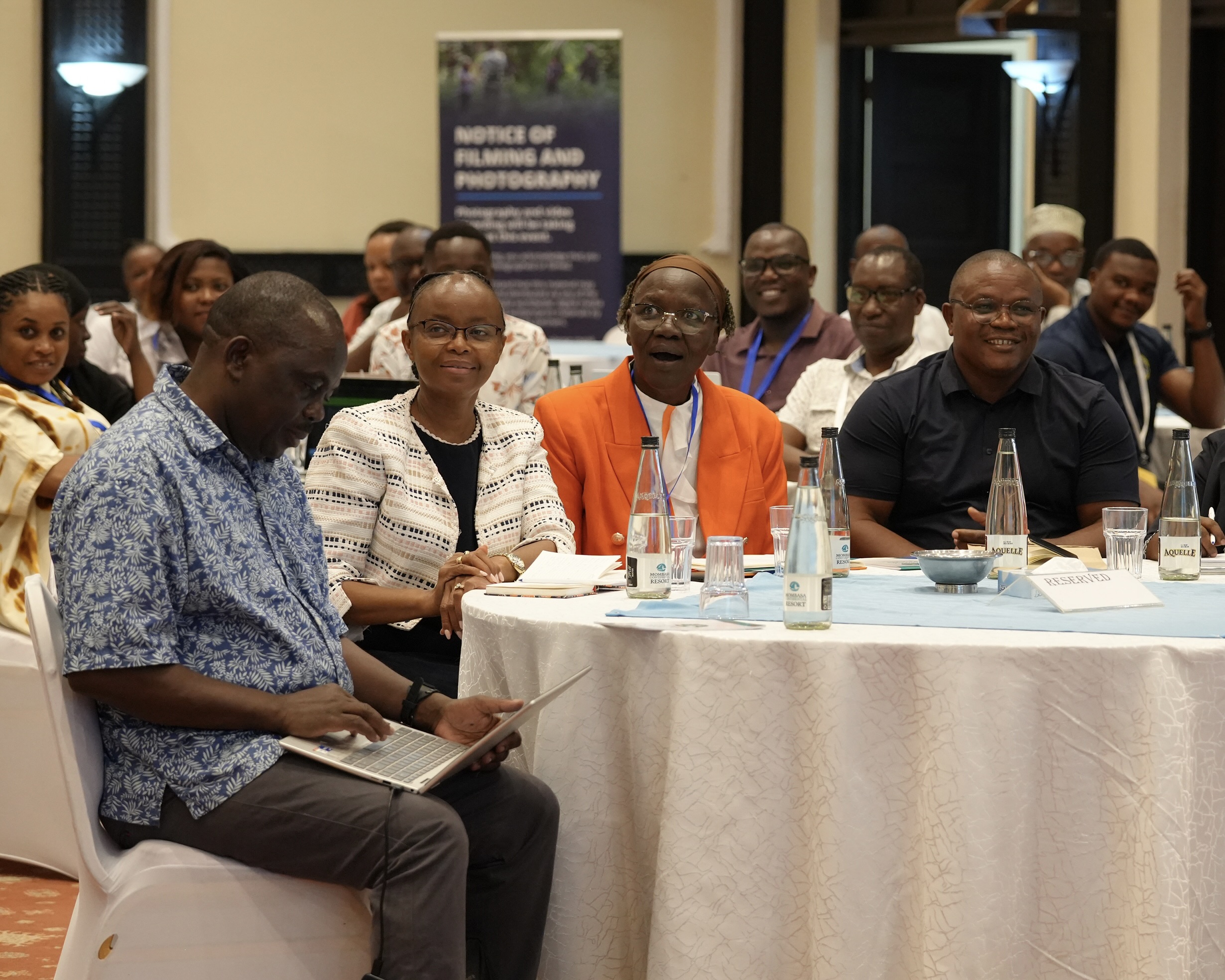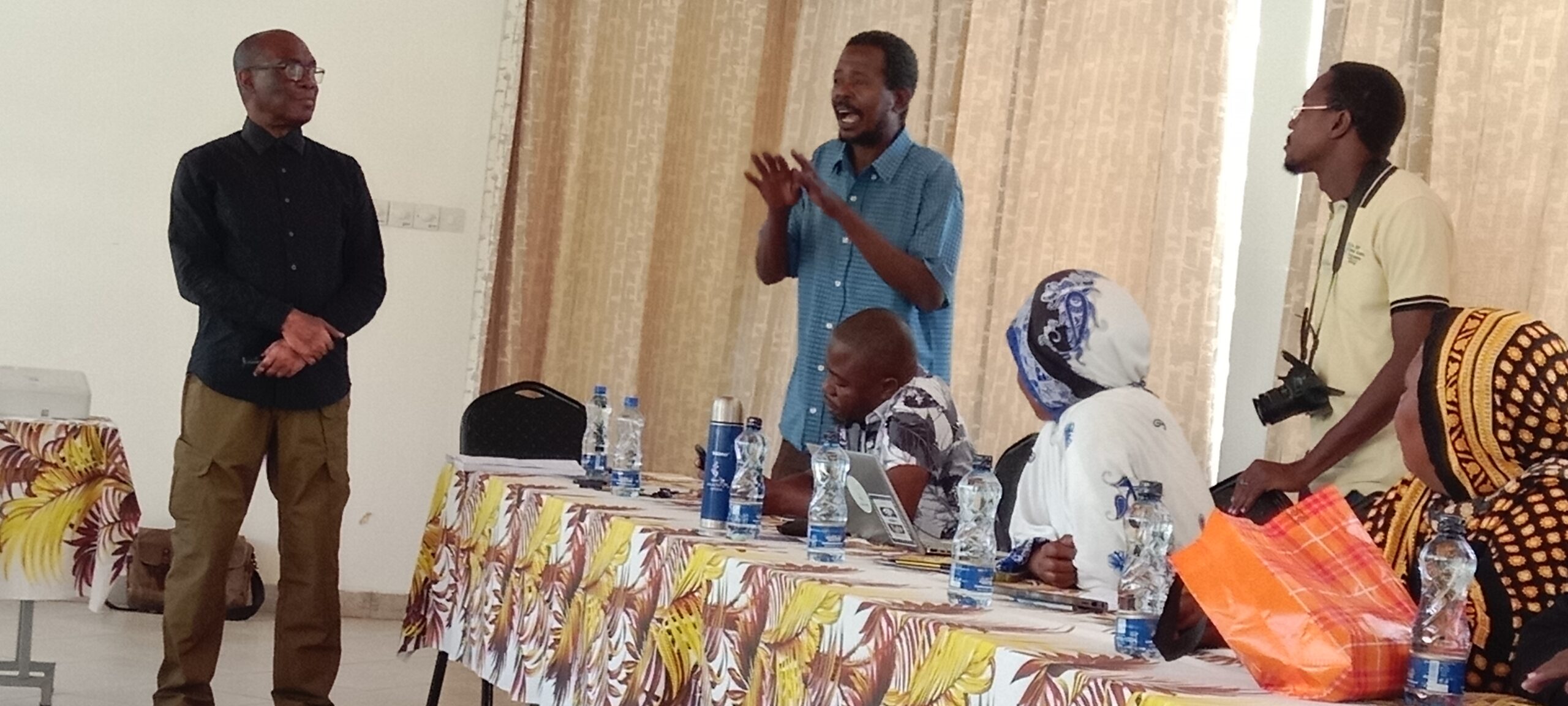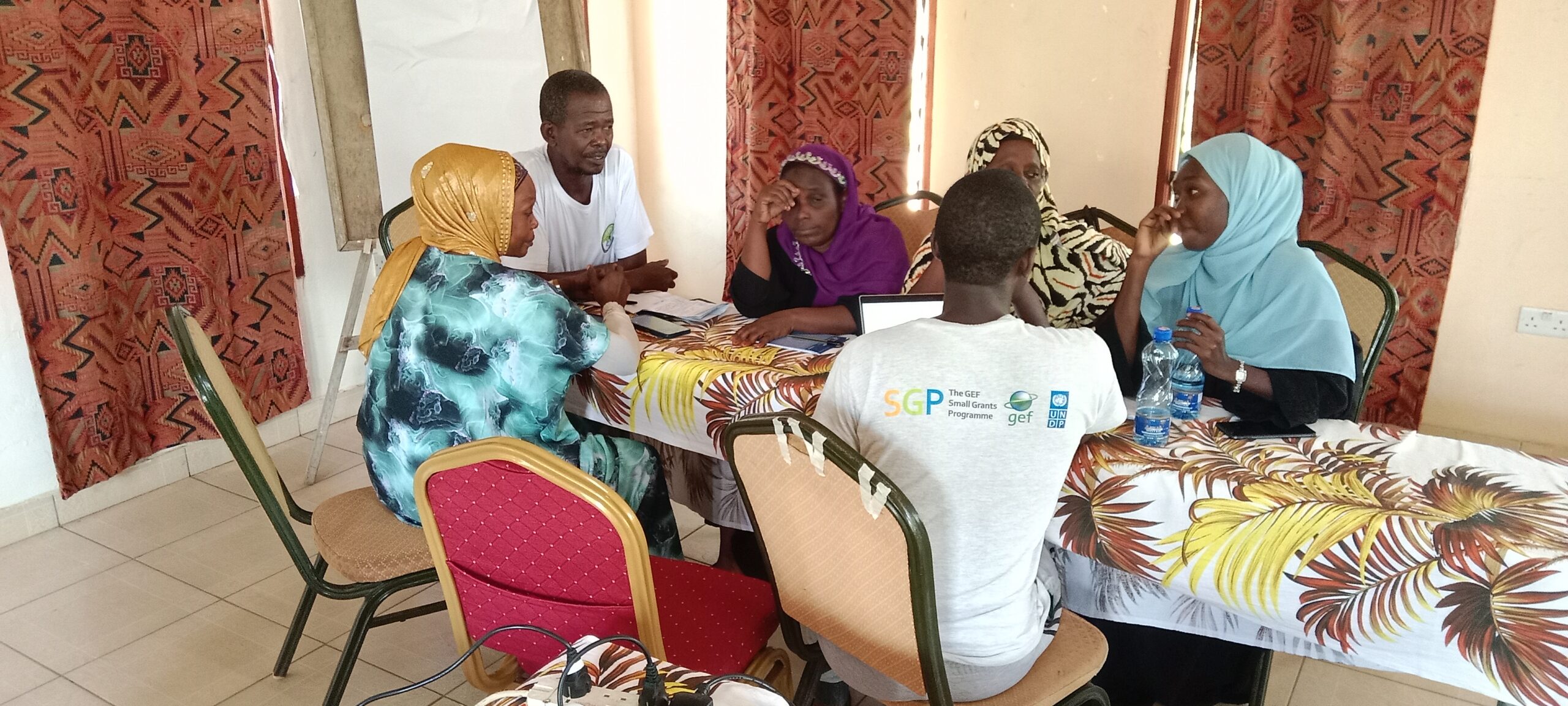
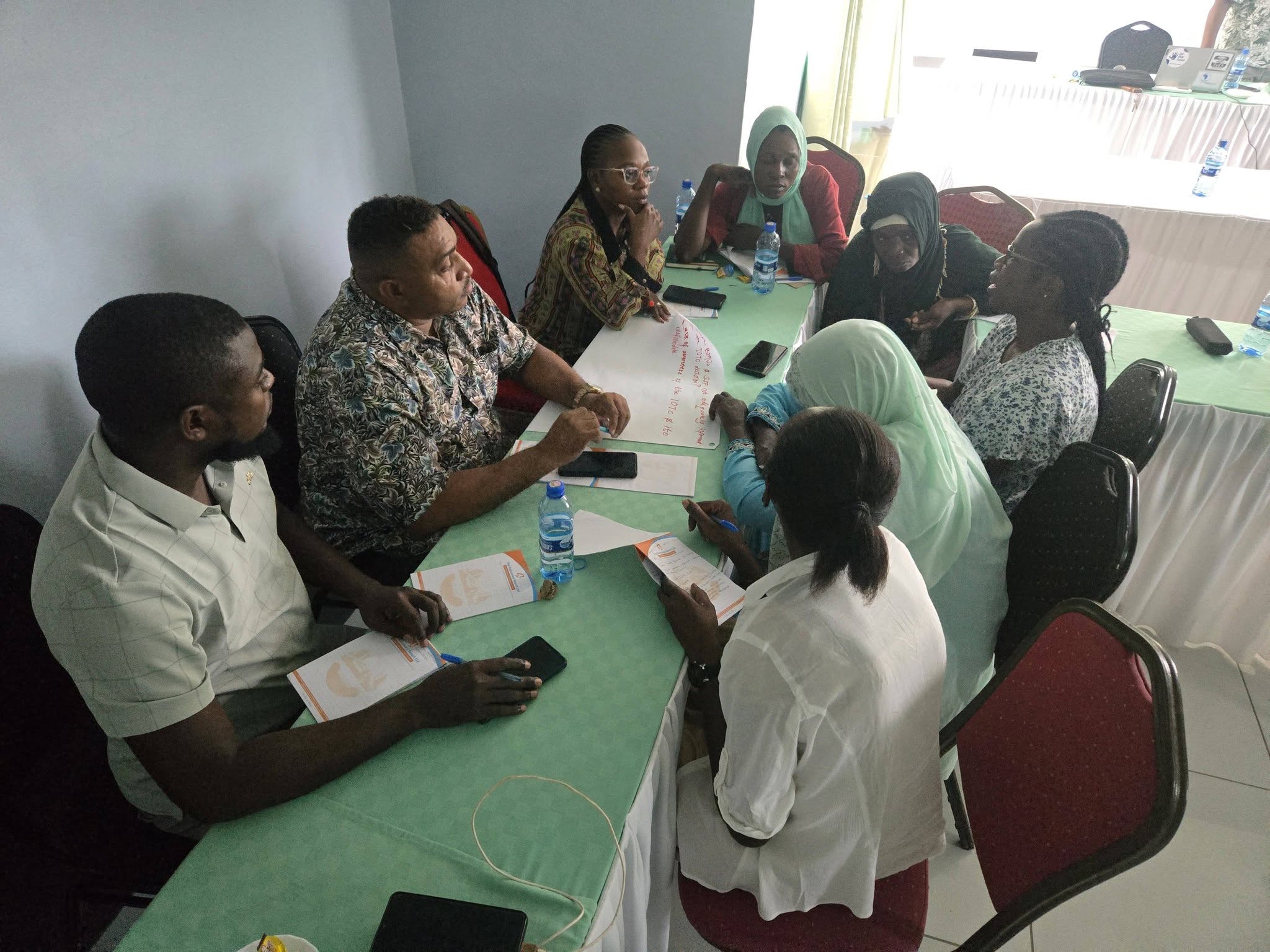
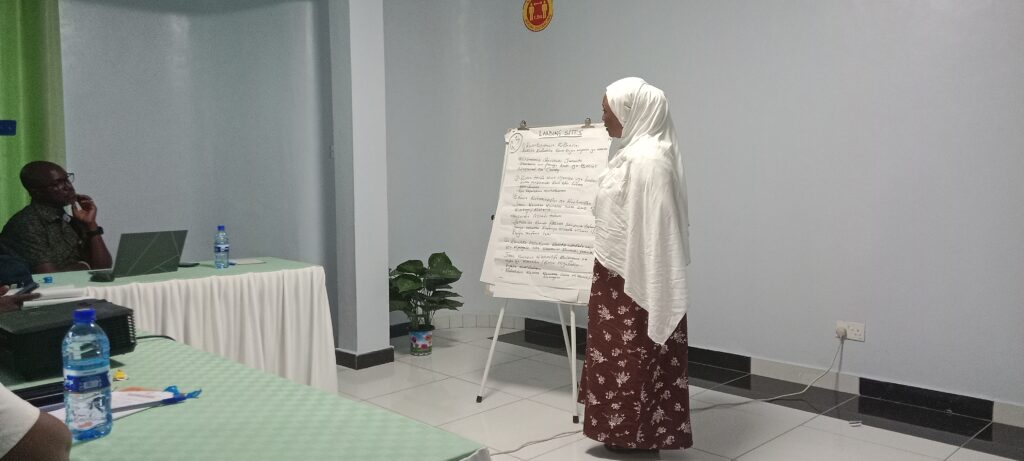
Participants at a two-day workshop on Fisheries Governance and Decision-Making Processes at National and Regional Levels during group discussion| Photo By Mazera Ndurya
As hundreds of artisanal fishers along the Kenyan coast return from the Indian Ocean with assorted catches ranging from frigate tuna and bullet tuna to kingfish, barracuda, and rabbit fish for the market, something equally valuable often slips away unnoticed. The data.
Experts now warn that the failure to accurately record what is caught, where it is landed, and how much is harvested is denying Kenya an opportunity to strengthen its fisheries sector, improve coastal livelihoods, and secure a larger share of tuna resources managed at the regional level.
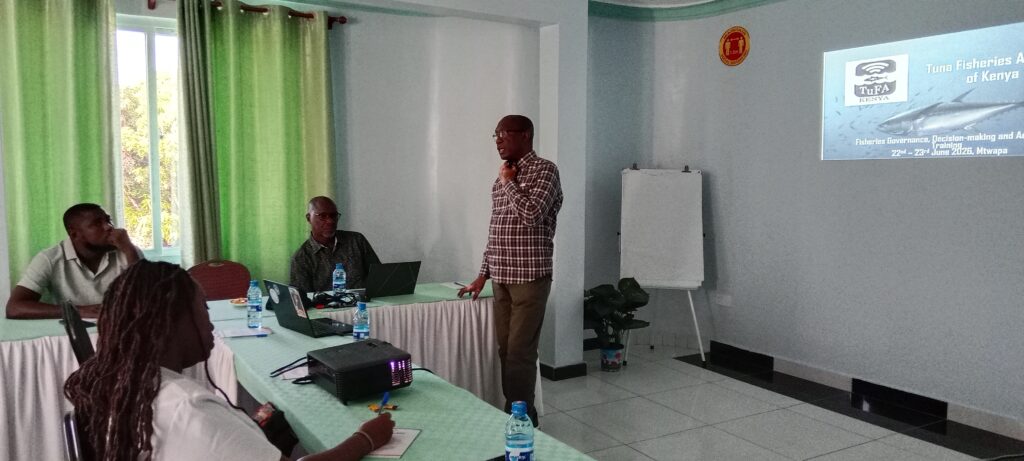
These concerns dominated a two-day workshop on Fisheries Governance and Decision-Making Processes at National and Regional Levels, bringing together civil society organizations (CSOs), Beach Management Units (BMUs), and fisheries stakeholders under the Together for People and Planet (ToPP) Programme, implemented by the Tuna Fisheries Alliance of Kenya (TuFAK) in partnership with WWF Kenya, with financial support from Sida through WWF Sweden.
Data: The Currency of Fisheries Management
The demand for fish is always evident as the catches are quickly sold to traders, transported to markets, and served on dinner tables across the country.
While to many fishers, recording catches may appear to be an administrative exercise, to fisheries scientists and policymakers, however, it is the foundation on which every management decision rests.
Without reliable data, governments cannot accurately assess fish stocks, design conservation measures, justify increased investments, or negotiate better international fishing rights.
“For something you do not have data on, you cannot make management decisions,” says Elijah Ngoah, National Coordinator of the Tuna Fisheries Alliance of Kenya.
Pointing to an important challenge facing Kenya’s small-scale tuna fishery, Ngoah said species such as frigate tuna and bullet tuna, which occur mainly within Kenya’s territorial waters and are heavily targeted by artisanal fishers, remain among the least studied and documented.
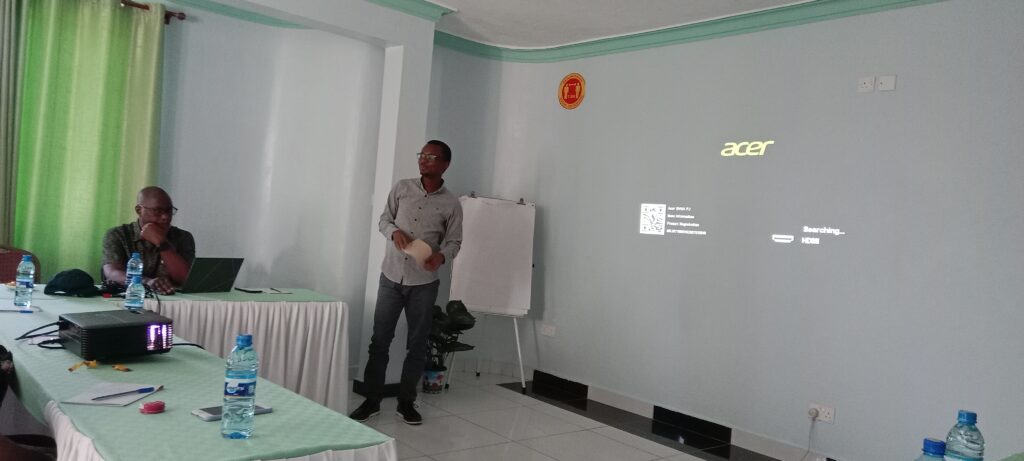
“The Scientific Committee of the Indian Ocean Tuna Commission has been unable to develop conservation and management measures for some tuna species because the necessary data simply does not exist,” he explained.
That gap has consequences extending far beyond science because one cannot negotiate for anything without numbers
Factsheet
Kenya is a member of the Indian Ocean Tuna Commission (IOTC), the regional body responsible for managing tuna fisheries across the Indian Ocean.
One of the key issues affecting member states is access to tuna resources through national allocations, commonly referred to as quotas by many stakeholders.
Accurate fisheries data strengthens a country’s ability to demonstrate the scale and importance of its fisheries.
Without credible records, Kenya risks underrepresenting its actual tuna production.
“Tuna has been identified as a priority fishery,” said Ngoah. “However, much of the focus has been on post-harvest handling and reducing losses. The equally important issue of collecting accurate tuna data has not received sufficient attention.”
He noted that improving data collection would provide Kenya with stronger evidence in regional negotiations while ensuring that the contributions of small-scale fishers are fully recognized.
Data Leaks
The workshop revealed that data losses occur at multiple points along the fisheries value chain, with poor infrastructure cited as a major setback.
Some fishers land their catches at unofficial sites because recognized landing beaches are either inaccessible or poorly equipped.
Others fail to report catches because they fear taxation or government scrutiny.
In some areas, there are simply too few trained personnel to collect information consistently.
According to Benedict Kiilu, a fisheries compliance and policy officer with the Kenya Fisheries Service in Mombasa, these gaps significantly weaken evidence-based decision-making.
“It is the fishers themselves who provide catch data,” he said. “Unfortunately, over the years, we have observed many leakages at landing sites and BMUs. Without data, decisions that can propel the fisheries sector to the next level simply cannot be made.”
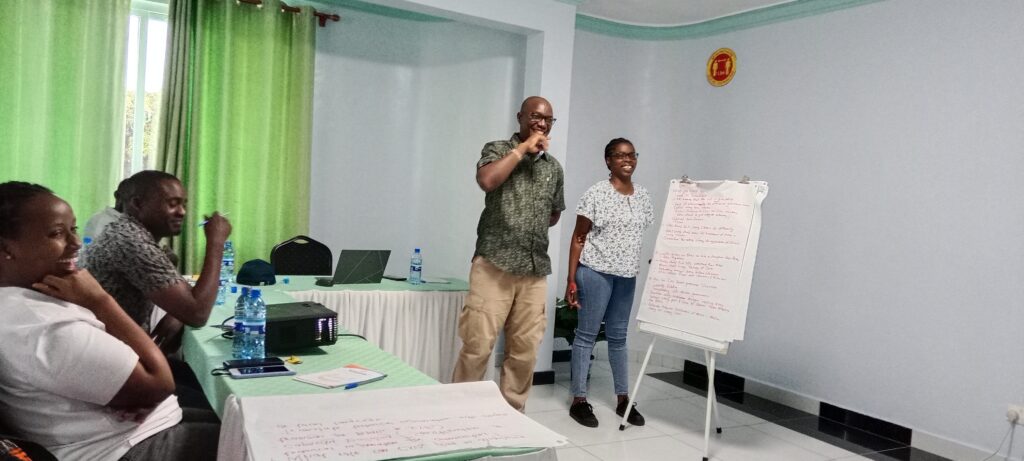
He noted that strengthening BMU leadership through training, improving compliance, and investing in electronic data collection systems will be critical if Kenya hopes to meet international fisheries reporting standards.
The government, he added, has already begun transitioning toward electronic monitoring systems covering artisanal, semi-industrial, and industrial fisheries, with the ambition of expanding the system nationally over the coming years.
Beyond Numbers
In a nutshell, participants had the opportunity to learn that data does more than inform scientists.
It influences government budgets.
It attracts investors.
It supports requests for cold storage facilities.
It guides infrastructure development.
It shapes fisheries policies.
And ultimately, it improves livelihoods.
Fish trader and Kanamai BMU Vice Chairperson Bidala Rashid has witnessed this firsthand.
“When we seek support for projects like cold storage facilities, the first thing donors ask for is data,” she says.
Recognizing its importance, Kanamai BMU has employed four data collectors to ensure fish landings are recorded despite the challenges fishers face.
One of the challenges they continue to grapple with is that, while fishers catch fish, there is no designated landing site they can use freely. “They run away and end up using illegal routes where their catches cannot be recorded,” she said.
However, Rashid believes greater awareness is needed to convince fishers that data collection is designed to support, not punish, them.
“We understand its importance,” she says. “Now we need more education so everyone appreciates why reporting matters.”
Governance Begins with Information
Beyond fisheries science, participants acknowledged that accurate information is central to stronger governance.
Many BMU leaders admitted they had limited knowledge about international organizations such as the Indian Ocean Tuna Commission, despite decisions made there directly affecting their livelihoods.
The workshop, therefore, focused not only on fisheries governance but also on advocacy, enabling communities to understand how decisions are made from village landing sites to regional and international fisheries bodies.
Shella BMU Secretary Salim Ali Mohamed said the training fundamentally changed how community leaders view advocacy.
“We have learned that advocacy follows clear procedures,” he said. “Instead of simply complaining and making noise, we now understand the importance of evidence, law, and proper engagement.”
Among the strongest lessons, he said, was learning how media can amplify community voices while ensuring concerns are backed by facts.
Fighting Misconceptions
One persistent obstacle remains fear, as some fishers believe reporting catches could expose them to taxation or unwanted government attention.
According to Somo Mohamed Somo, Chairperson of the Indian Ocean Water Body Network, these misconceptions continue to undermine data collection efforts.
“We have been educating communities that providing fisheries data is not about taxation,” he noted, “It helps attract investment and strengthens our ability to advocate for fishers.”
He also reminded fishers that failing to report catches contributes to Illegal, Unreported, and Unregulated (IUU) fishing.
“We often think IUU fishing only involves foreign industrial vessels, but when catches are not reported, that too becomes part of unreported fishing,” he said.
A Shared Responsibility
Workshop participants agreed that improving fisheries data cannot be left to the government alone.
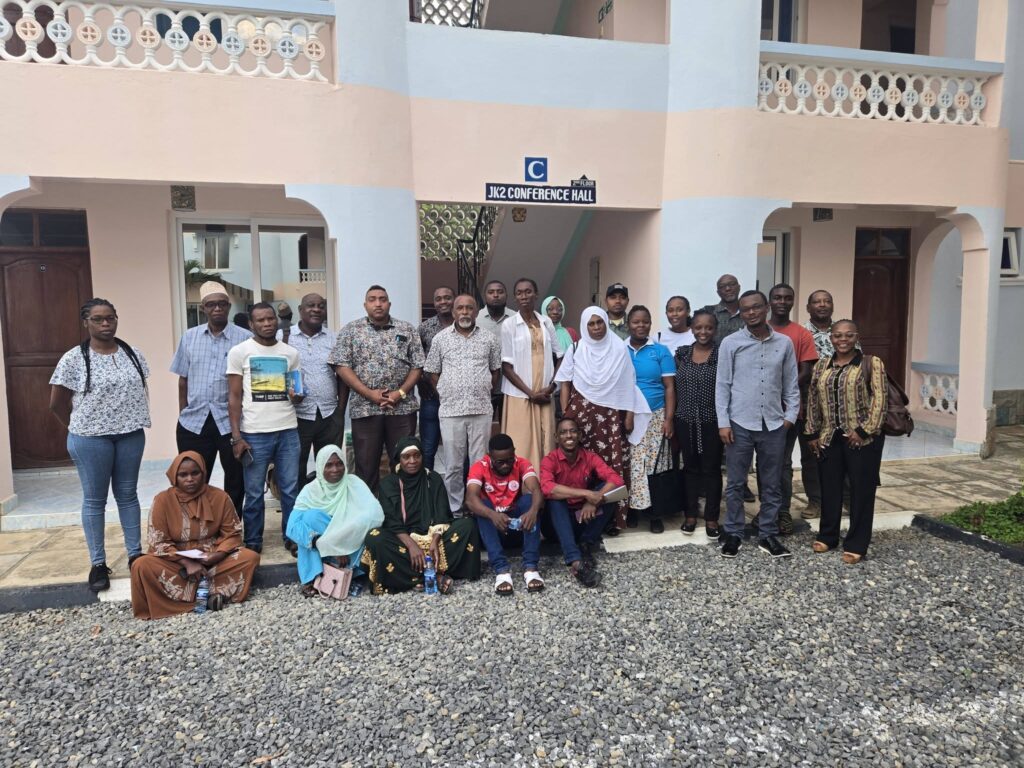
Civil society organizations, BMUs, county governments, researchers, and fishing communities all have a role to play.
This includes building the capacity of BMU leaders, investing in digital reporting tools, improving landing infrastructure, and creating awareness on why data matters.
The ToPP Programme seeks to address these issues through five interconnected areas: strengthening CSO participation in decision-making, protecting civic space, improving environmental and climate governance, transforming economies & livelihoods, and promoting gender equality, disability, and social inclusion (GEDSI).
The programme also plans to cascade good governance and data management training to BMU assemblies across Kenya’s coast.
The Future of Tuna Starts at the Landing Site
For TuFAK Chairperson Mr. Hadley Becha, the message is simple.
“If we want to help our country, we must consume more fish and record the data that can help stabilize Kenya’s allocation at the Indian Ocean Tuna Commission,” he said.
“Kenya must forward accurate fisheries data to the IOTC because that is what determines many of the benefits the country receives.”