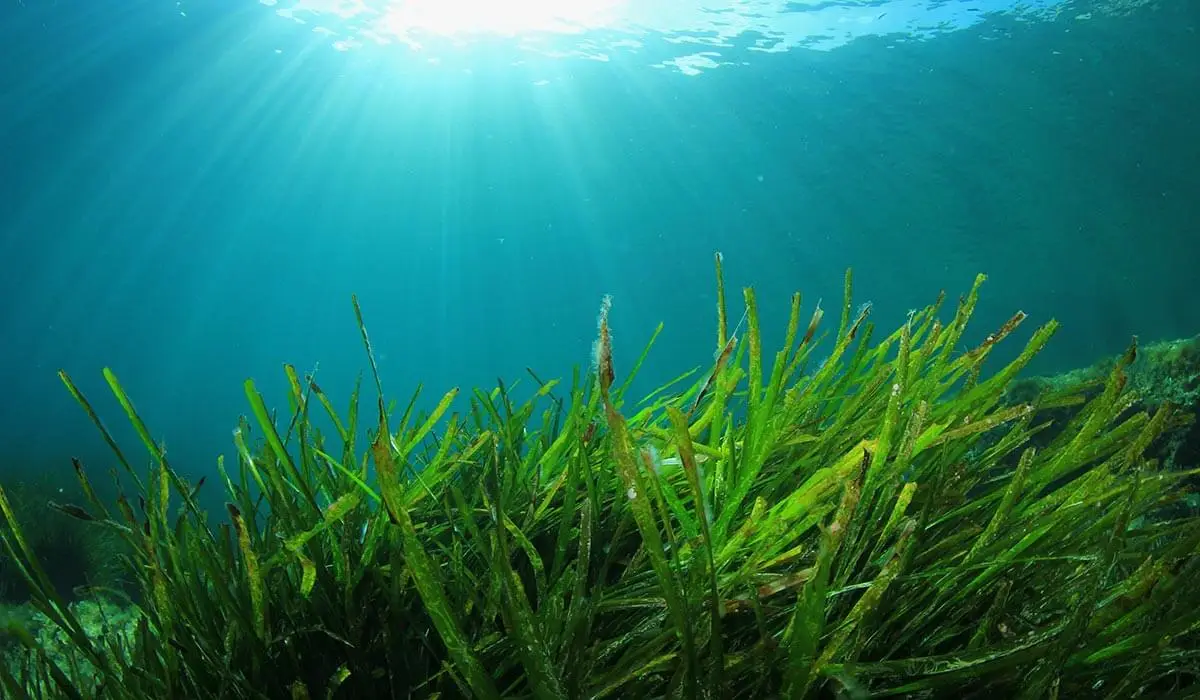
Healthy Seagrass| Photo Courtesy
On March 1, 2026, globally acknowledged as World Seagrass Day, the Kenyan coastal community was not left behind in celebrating such an important marine ecosystem.
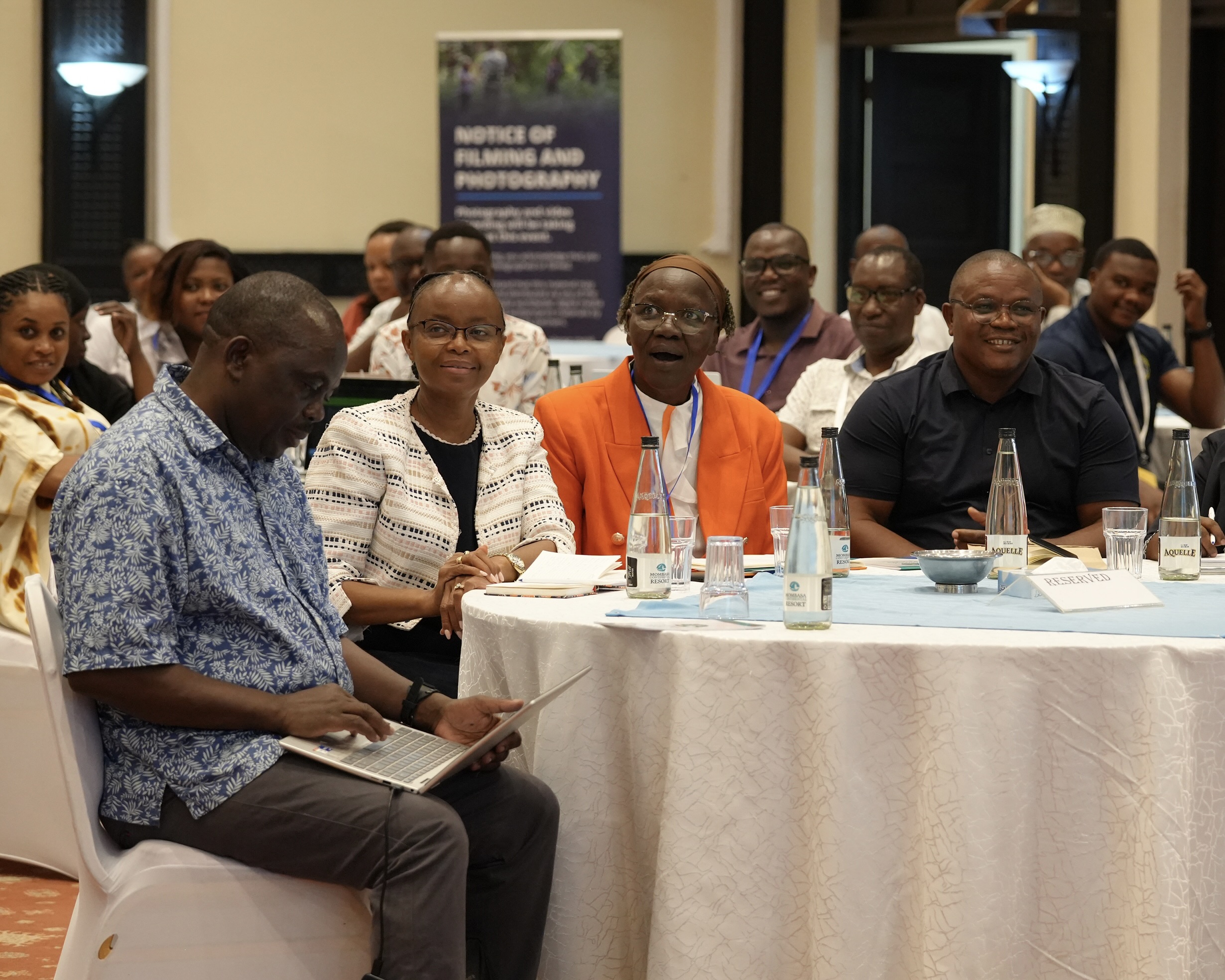
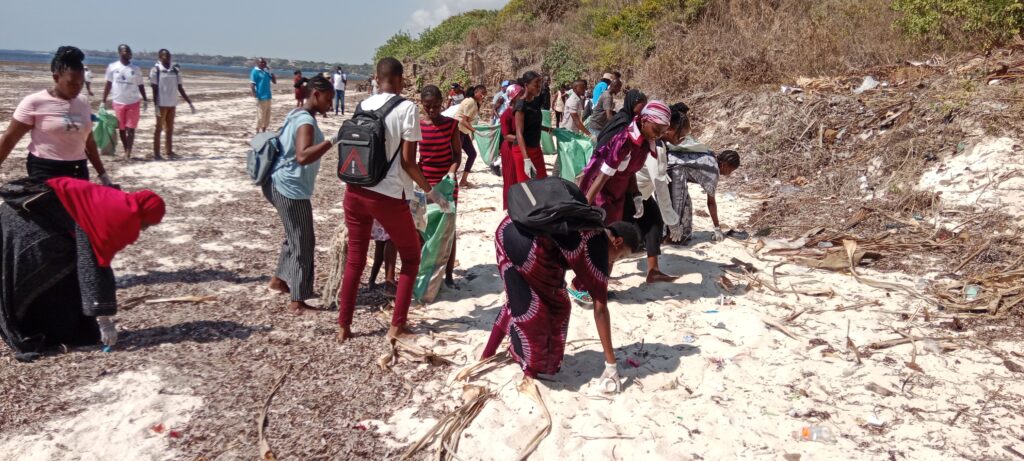
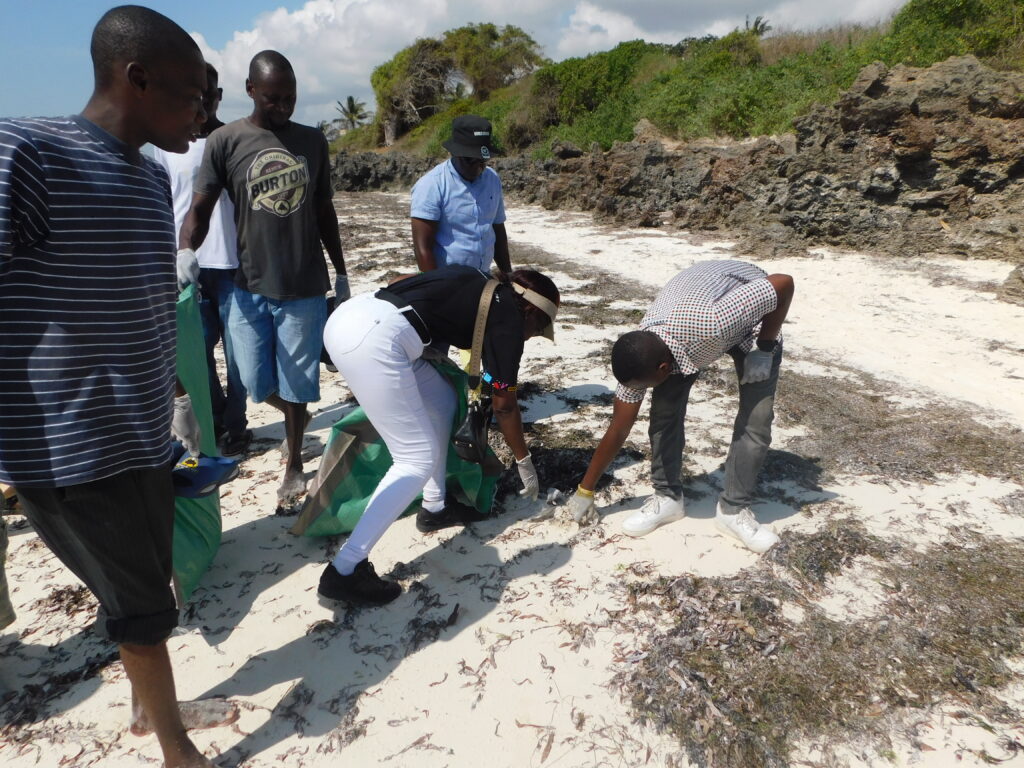
Fishers, conservation activists, civil society organizations, scientists and government officials converged in Kilifi for a day that was filled with wide-ranging activities including a beach clean-up and a panel discussion to look at the status of the seagrass in Kenya and the world.
However, as the world marked this important day under the theme “Seagrasses Enrich Ocean Biodiversity and Fisheries,” scientists, conservationists, and fishing communities in Kenya raised concern over the gradual decline of one of the ocean’s most important but often disregarded ecosystems.
The Seagrass ecosystem has such immense significance that in May 2022, the General Assembly adopted A/RES/76/265 proclaiming 1 March as World Seagrass Day. According to the UN, the resolution highlighted the urgent need to raise awareness at all levels and to promote and facilitate actions for the conservation of seagrasses in order to contribute to their health and development, bearing in mind that enhancing ecosystem services and functions is important for the achievement of the Sustainable Development Goals (SDGs).
Along the Kenyan coast, seagrass meadows stretch beneath shallow waters, forming underwater pastures that sustain marine life, support fisheries, and help regulate the global climate. They are the underwater rainforest. Yet experts warn that these vital ecosystems are disappearing and require collective approach to safeguard them.
According to researchers at the Kenya Marine and Fisheries Research Institute (KMFRI), Kenya currently has an estimated 31,000 hectares of seagrass, but the country is losing about one percent of this coverage every year.
Dr. Lilian Daudi, a Senior Research Scientist and Seagrass Ecologist at KMFRI, said the decline should worry everyone who depends on the ocean.
“Seagrasses are limited in their distribution. They occur mainly in the intertidal areas up to the reef and are key ecosystems in supporting fisheries,” she explained. “If we continue losing them, we risk losing the services they provide, including fisheries productivity and marine biodiversity.”

Climate Solution
Beyond supporting fish stocks, Dr Daudi said seagrass meadows play a powerful role in fighting climate change. Like mangroves and salt marshes, they are classified as blue carbon ecosystems because of their ability to absorb and store carbon from the atmosphere.
“Seagrasses are climate regulators because they sequester carbon,” Dr. Daudi noted. “They also stabilize sediments, improve water clarity, and protect coastlines from erosion.”
Kenya hosts 12 species of seagrass, one of which is listed on the International Union for Conservation of Nature (IUCN) Red List as endangered and occurs in the Kiunga Marine National Reserve area in northern Kenya. Zostera Capensis is the seagrass species found in Kenya that is listed as Vulnerable (sometimes referred to as endangered regionally) on the IUCN Red List
Protecting such species has become increasingly urgent as threats to seagrass ecosystems intensify.
Coastal Development
There are several reasons for the loss of seagrass but marine experts attribute much of the decline to rapid coastal development, which often increases sedimentation and erosion in coastal waters.
“When there is excessive sediment flowing into the ocean due to construction and land clearing, it covers and smothers seagrass beds,” said Dr. Daudi.
There are some aspects of the fishing activities including some fishing methods using harmful fishing gear that have led to the decline. “Some fishing gear plough across the seabed, uprooting the grasses leaving the seabed bare.”
The scientist said there is another emerging challenge and this is the rapid growth of sea urchin populations, which graze heavily on seagrass. Scientists have observed extensive grazing in areas such as Watamu, Diani Beach, and Chale Island, where the herbivores have cleared large patches of seagrass.
“Sea urchins are natural herbivores, but in some places their numbers have exploded and they are consuming large areas of seagrass,” she said.
Mapping Kenya’s Underwater Meadows
Another challenge facing conservationists is the lack of reliable data on seagrass distribution.
Current estimates rely largely on remote sensing technology with limited field verification. To address this, scientists are conducting a regional project known as the Large Scale Seagrass Management Initiative, which aims to produce more accurate mapping and data on seagrass ecosystems.
The initiative is expected to provide precise information about seagrass coverage, carbon storage potential, and fisheries productivity.
“This will help Kenya better plan for conservation and management,” said conservationists involved in the project.
Community-Led Restoration
Encouragingly, pilot restoration efforts are already demonstrating success.
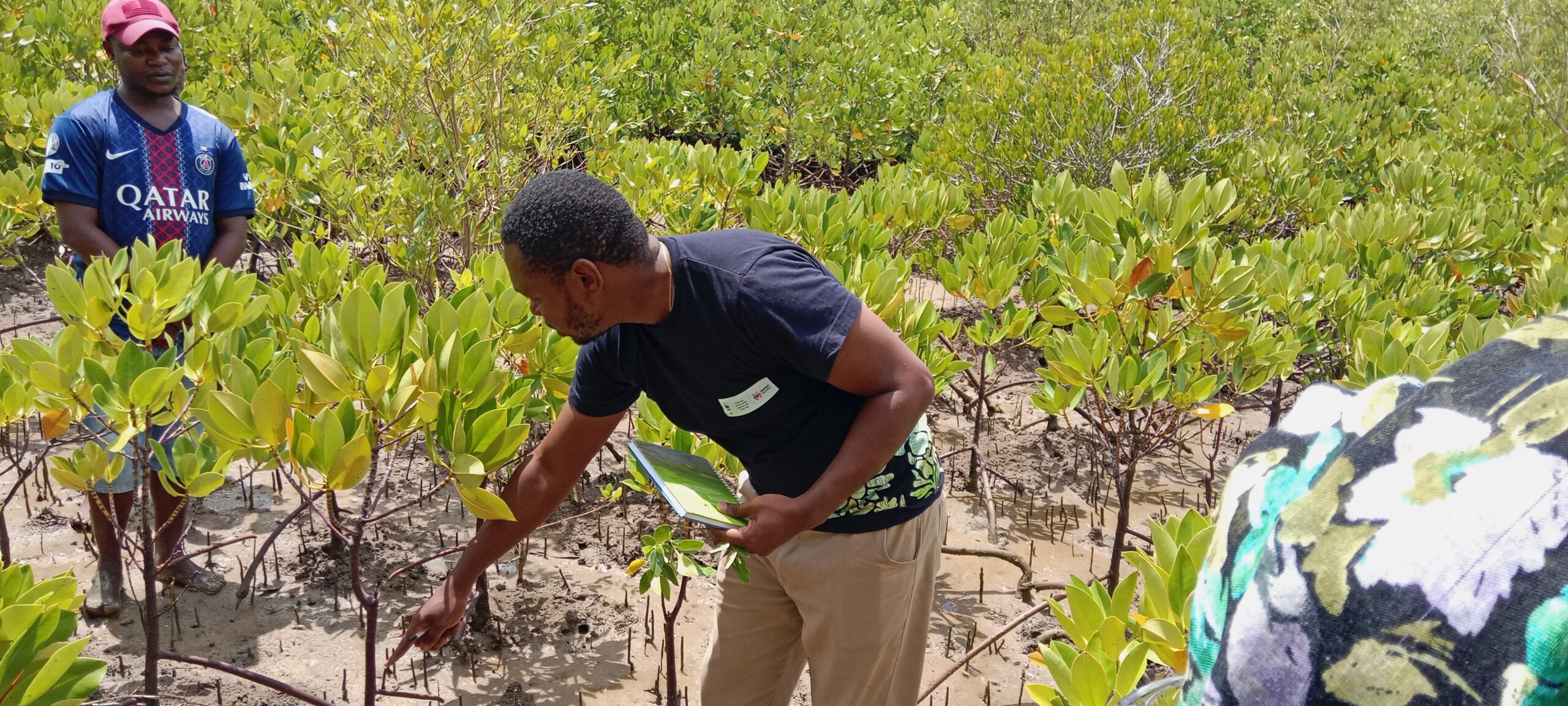
Researchers from KMFRI have conducted experimental seagrass restoration in Wasini Island, where transplanted seagrass has begun to recover.
The project is located near a Locally Managed Marine Area (LMMA), where community protection has helped the ecosystem regenerate.
“Because the area is protected, we have seen seagrass thrive,” said Dr. Daudi. “This shows that restoration combined with community protection can work.”
KMFRI is also working with communities to expand similar conservation efforts in southern Kenya, including fishery closures in Vanga.
Policy Gaps
While scientific research is growing, conservationists say policy protection for seagrass remains weak and disjointed.
John Kiptum of the Fauna & Flora says seagrass ecosystems are often overlooked in environmental policy frameworks.
“Unlike other ecosystems such as coral reefs or mangroves, seagrasses are not highly featured in policy discussions,” he said.
To address this gap, conservation groups are working with government agencies and organizations including the East African Wildlife Society to review existing policies and identify weaknesses.
One major goal is to integrate seagrass protection into Kenya’s commitments under the Paris Agreement, particularly through the country’s Nationally Determined Contributions (NDCs) on climate change.
“Seagrass should be part of Kenya’s strategy for reducing emissions because of its carbon sequestration potential,” Kiptum explained.
Fishers’ Role
For coastal communities whose livelihoods depend on the ocean, protecting seagrass is also about securing the future of fisheries.
Charles Nyale, chairperson of the Kilifi County Beach Management Unit (BMU) Network, said many fishers are only now beginning to understand the importance of seagrass ecosystems.
“Seagrasses are where many fish species grow and find food,” he said. “They also help prevent erosion in areas that are fish habitats.”
Nyale acknowledged that some fishing practices have contributed to the damage.
“Certain fishing nets drag through the grasses and destroy them,” he said. “In many cases this happened because fishers simply did not understand how important these ecosystems are.”
Pollution, especially plastic waste and toxic runoff, is another growing threat.
Nyale believes stronger awareness campaigns will help communities play a more active role in conservation.
“With knowledge, we can sensitize communities so that they understand the value of these grasses and help protect them,” he said.
Communities at the Heart of Conservation
Conservationists emphasize that local communities must remain central to any effort to protect seagrass ecosystems.
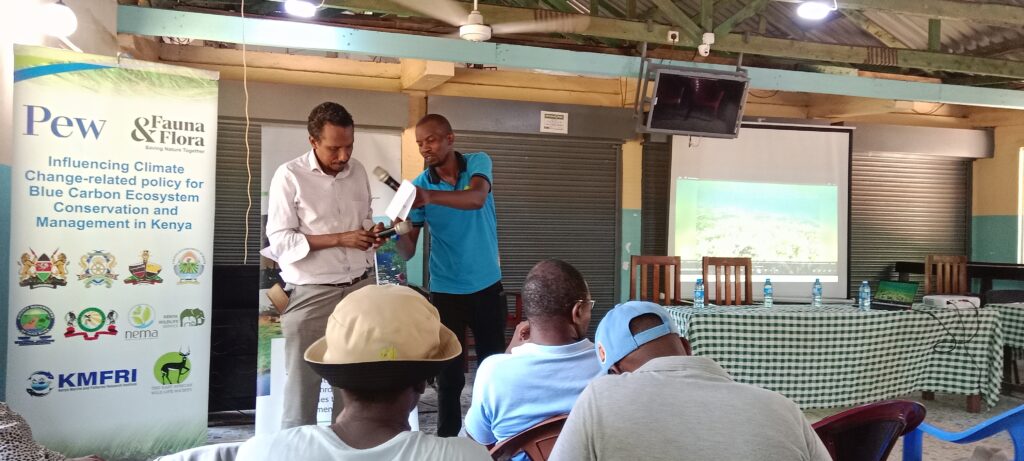
Jabez Okumu, Programmes and Advocacy Manager at the East African Wildlife Society, says communities possess valuable knowledge about marine ecosystems.
“Communities interact with these ecosystems daily. They know where the seagrass is found and how it supports their livelihoods,” he said.
Scientists are increasingly incorporating this knowledge through citizen science, where community members work directly with researchers to collect data and monitor ecosystems.
“Research is no longer done only in laboratories,” Okumu noted. “Communities are now actively involved in identifying problems and developing solutions.”
He also stressed the need for stronger coordination among the many organizations working on marine conservation.
Currently, different institutions collect seagrass data independently, often using different methodologies. This has resulted in inconsistent information about the true status of Kenya’s seagrass ecosystems.
To address this, a new coordination platform is being developed to bring together government agencies, researchers, and conservation organizations working on blue carbon ecosystems, including seagrasses, mangroves, and tidal marshes.
A Call to Action
As Kenya joins the global community in celebrating World Seagrass Day, scientists and conservationists say the message is clear: protecting seagrass ecosystems is essential for the health of the ocean and the well-being of coastal communities.
“If we lose seagrass, coastal communities will be the most affected,” Okumu warned. “These ecosystems support fisheries, store carbon, and protect our coastlines.”
For Kenya’s coastal communities, the future of seagrass meadows may ultimately determine the sustainability of the blue economy they depend on.
NEMA official
“There are quite a number of regulatory interventions including the EMCA Act which gives NEMA the mandate on any environmental issues. Unfortunately seagrass does not have a strong legal framework, they have just been mentioned in passing in a number of frameworks including the Fisheries Management Act, 2016. NEMA comes in to regulate and control. Currently we have the extended producer responsibility where some of the waste can be linked to some producers. The polluter pays principle has not been fully exploited despite being there in the law,” said Issak Elmi, Head of Ecosystem, at the National Environment Management Authority –NEMA.
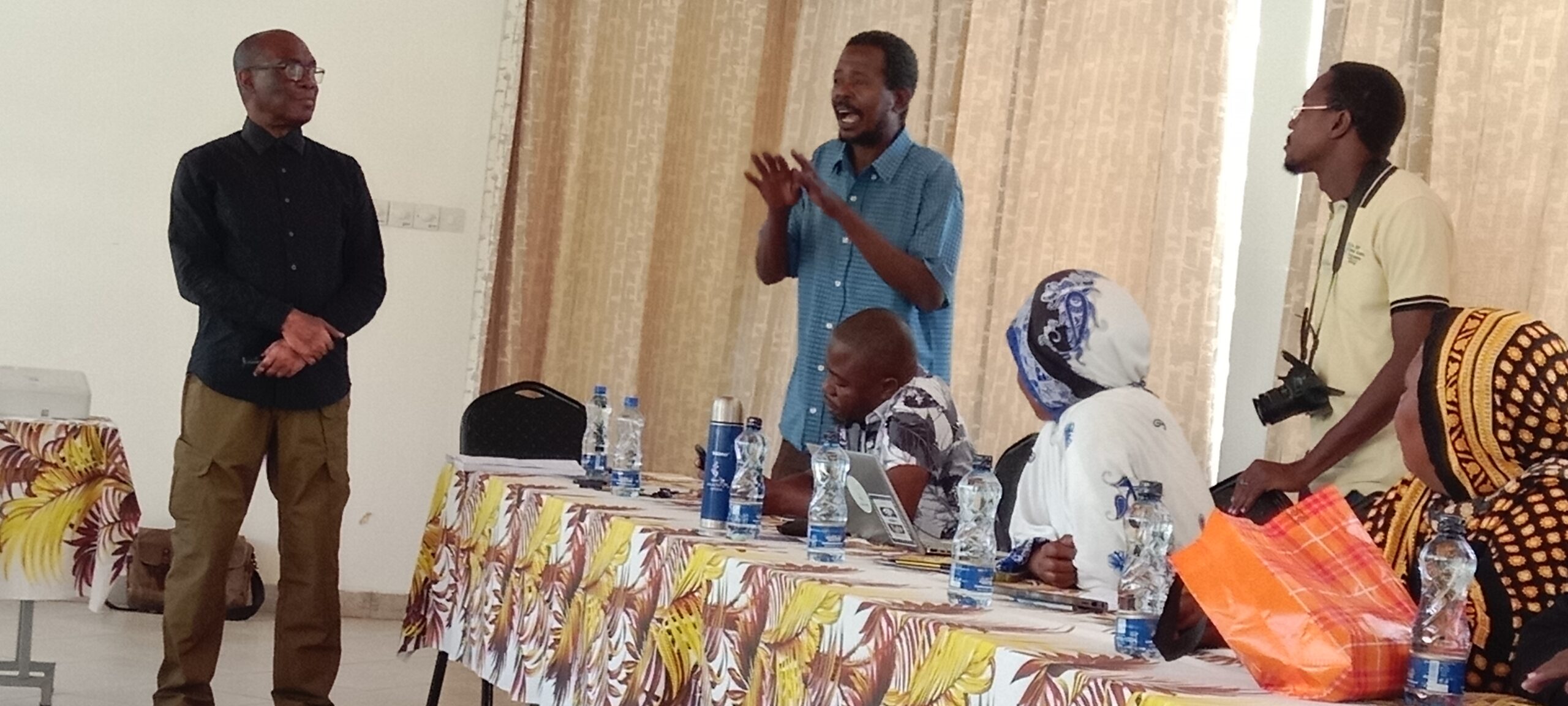
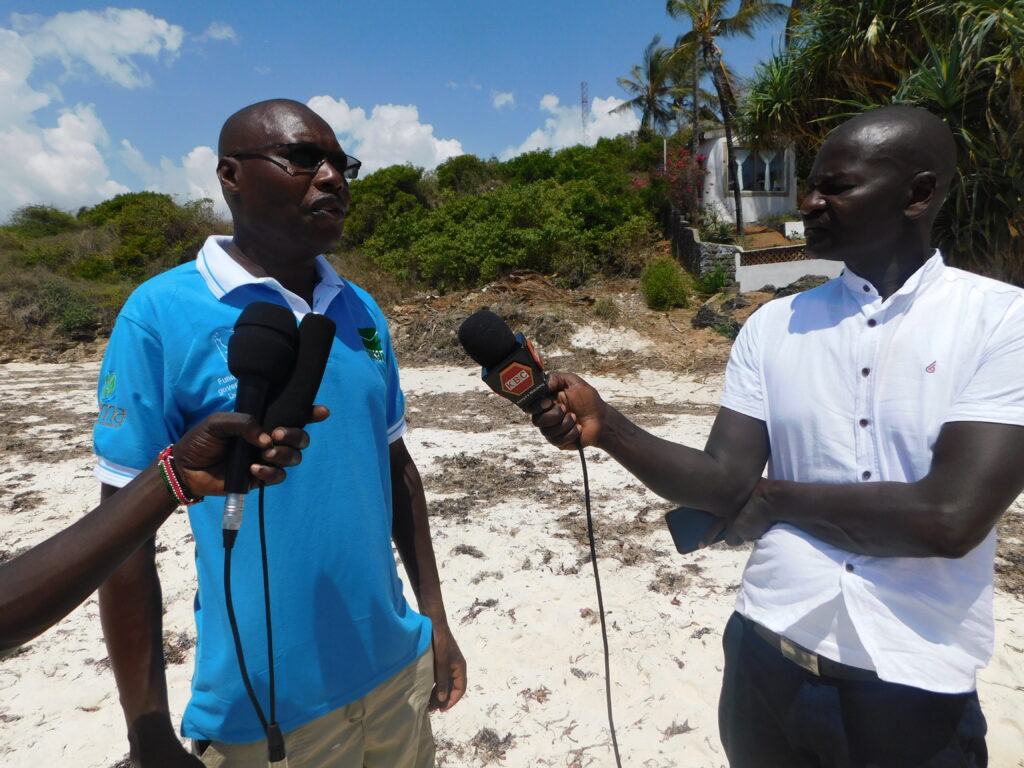
During the panel discussion, the media represented by Media For Nature, was given the opportunity to discuss the question “From a media perspective, how can storytelling and journalism raise awareness of seagrass ecosystems and influence public perception and policy action?”
One of the highlights of the discussion was the need to train journalists to fully appreciate the ecological and economic value of the seagrass ecosystem to effectively report on the subject.
“Journalists can play their role more effectively if they write from a point of information and knowledge. It is common knowledge that many journalists lack basic knowledge about such vital ecosystems as the seagrass, therefore they may not be in a position to write about it.
“When organizing seminars and trainings, journalists should not just attend to provide coverage, instead they should participate to gain more insight, ask critical questions and develop story ideas to be able to raise the much needed awareness about seagrass,” said Media For Nature Director, Mazera Ndurya.