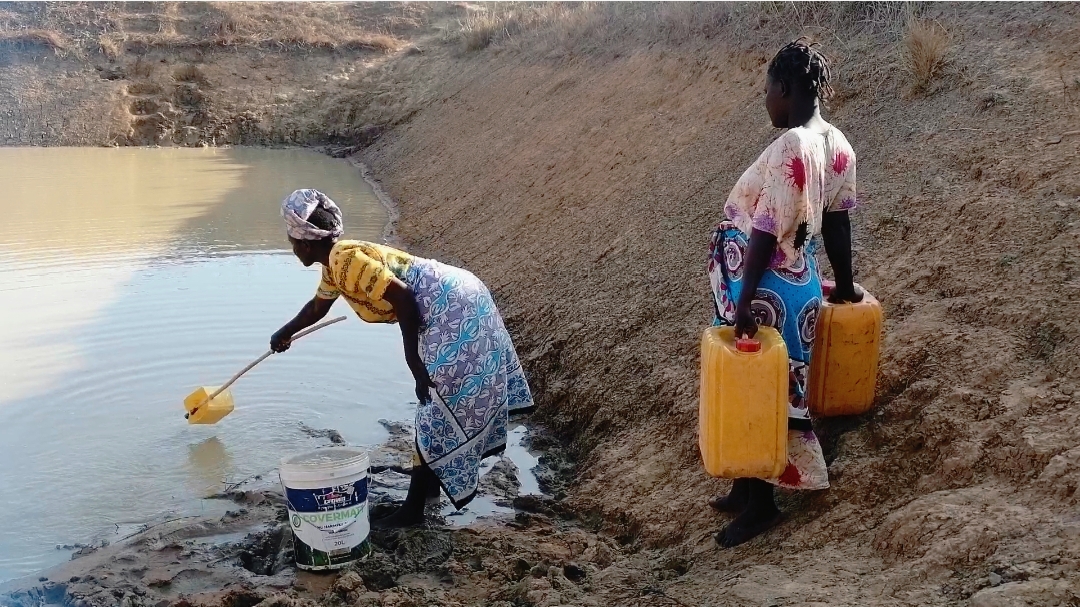
Women fetching water at the water pan.Photo by Ruth Keah
On a Sunday afternoon at Mtandikeni – Jimba Village, Rabai Constituency, Kilifi County, I found children gathered around a small water pan. Armed with containers to fetch water, one boy was busy filling a 20-litre jerrycan while the girls carried the filled containers to a safer spot before taking them home.
Out of curiosity, I asked them why they had come to fetch water instead of their parents.
“Our mothers are at home. They came and fetched water in the morning, and now they asked us to come and fetch more to help them,” they said.
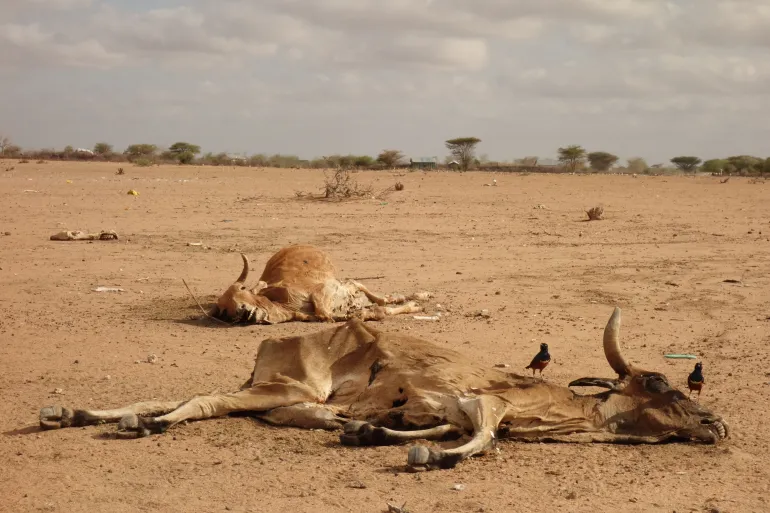
According to Kenya’s National Drought Management Authority, 10 counties are experiencing drought conditions. Nine counties, Wajir, Garissa, Kilifi, Marsabit, Kitui, Kwale, Kajiado, Isiolo, and Tana River, are in the “alert” phase. With rising temperatures, water pans that were dug to help solve the water crisis in Rabai, Kilifi County are also drying up.
Taps have run dry, and now water pans are shrinking, forcing residents to walk long distances each day in search of water. Many families now depend on shared water pans, which are also used by livestock which is often dirty and unsafe for drinking and cooking.
In many rural Kenyan communities, water collection is largely a woman’s responsibility. When drought strikes, their workload increases. When water pans dry up, they walk even further. When children fall sick from unsafe water, they are the ones who care for them.
Furthermore, the daily treks under extreme heat expose them to dehydration, heat exhaustion, and physical strain from carrying heavy containers.
As the day went on, more women carrying jerrycans streamed towards the water pan. Some came from neighboring villages, while for others, it had taken more than 20 minutes to reach the water source.
Nelly Mwanzia, in her mid-60’s, carrying her 10-litre jerrycan, is making her second trip to the water pan to fetch water for her personal use.
She said that for a long time, they have experienced water scarcity in the area and have depended on water pans as their main source of water. However, what worries her most is that the water pans she has relied on are now drying up.
“I used to fetch water from that water pan over there, but now the water is finished and the little that remains smells very bad. That is why i moved and came to this water pan,” she said.
She uses the water to wash her clothes, bathe, and clean utensils.
Despite the availability of fresh water from water bowsers and vendors, she said she cannot afford to pay Ksh 25 for a 20-litre jerrycan, especially since it cannot meet her daily needs.
“It is very expensive for me to buy a 20-litre jerrycan of water for Ksh 25, and still it won’t be enough. So this pond water is much cheaper, it reduces my expenses,” she said.
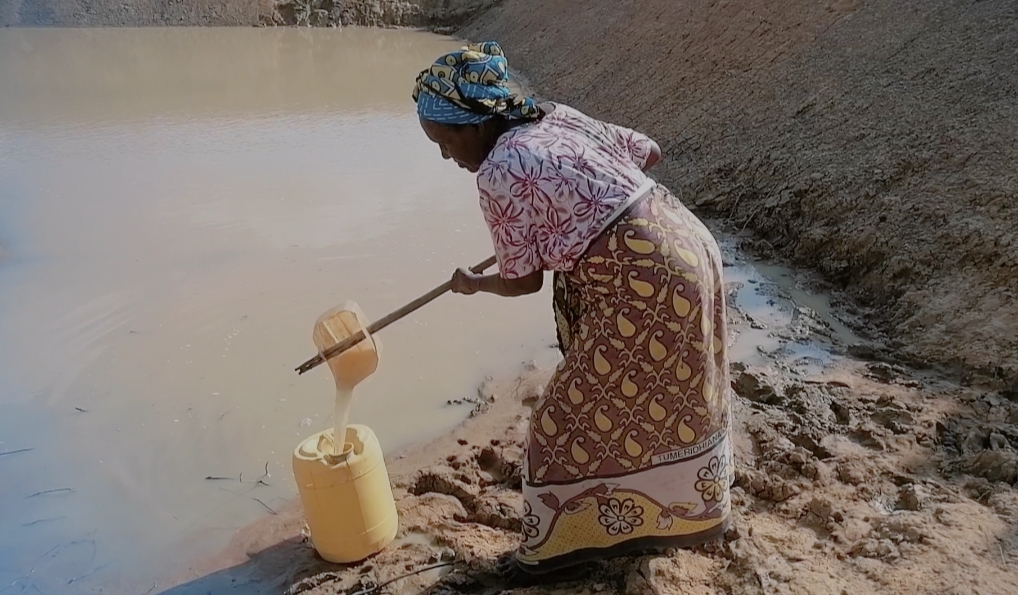
Carrying her 9 months old baby on her back, Halima Katembo is also making her second trip to the water pan. She came in the morning with a 20-litre jerrycan to fetch water for use at home. Now, in the evening, there is no water left, and she had to return to fetch more to sustain her household until the following morning.
She has walked for 20 minutes to reach the water pan. It has been three months since she started fetching water from the water pan. The pan that was closer to her home has since dried up, and this is the next nearest place where she can find water.
“I used to fetch water from a water pan near my home, only two minutes’ walk, but it has since dried up. Now I am forced to walk all the way and come here. My worry now is that this water pan is also drying up, and the next nearest one will take me about two hours to reach,” she said.
If that happens, Halima said she will be forced to fetch only one jerrycan, which she knows very well that will not be enough for her daily needs.
She normally adds some affordable water treatment chemicals like water guard to the water, leaves it for a few minutes to settle, and then uses it to wash utensils, bathe, and clean household items.
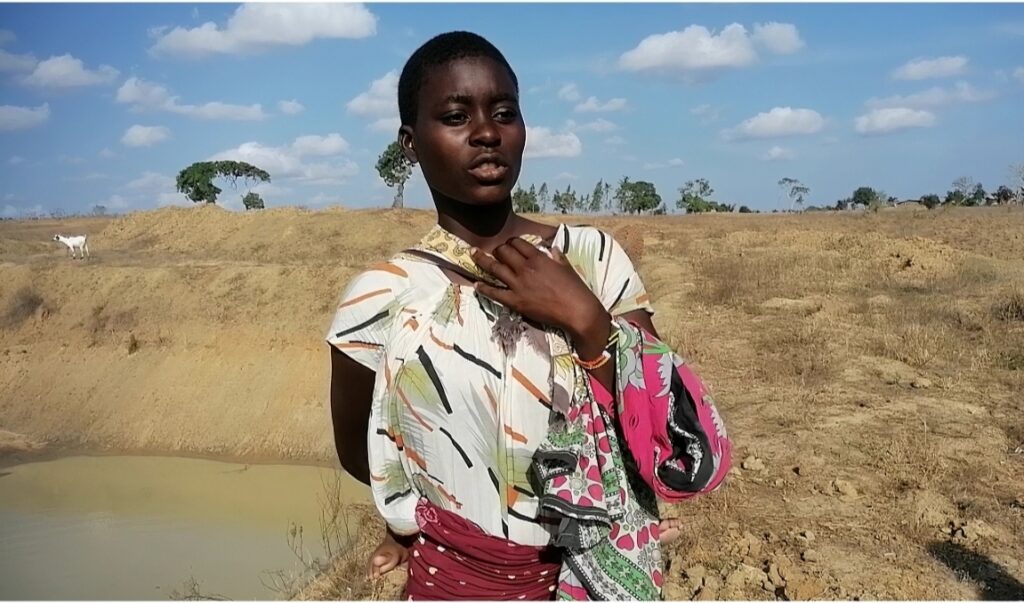
Climate change has made the rains unpredictable. Last year, the short rains did not come as expected, and the long dry season has extended further into the calendar.
In Kilifi County, reports indicates that women are disproportionately affected by climate-change-related illnesses, largely due to their roles as primary breadwinners, water gatherers, and caregivers.
Climate shocks, including prolonged droughts and flooding, have resulted in a significant rise in mental health issues, nutritional deficiencies, and waterborne diseases among women.
Extreme heat and droughts have forced women to spend more time searching for water, leading to heat stress, dehydration, and reduced access to antenatal/post-natal care. This contributes to higher rates of anemia, premature births, and low birth weight.
The need to travel long distances for water also places women at risk of fatigue, physical injury, and, in some cases, sexual assault.
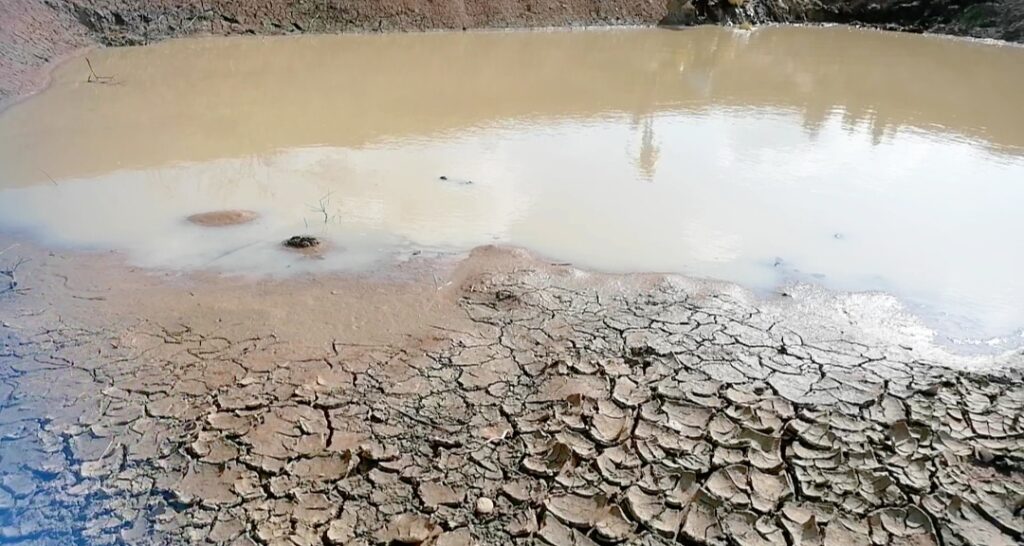
Charo Khamisi, the farm manager at Mtandikeni where the women fetch water, said the water pan, which used to fill quickly, now dries up much faster.
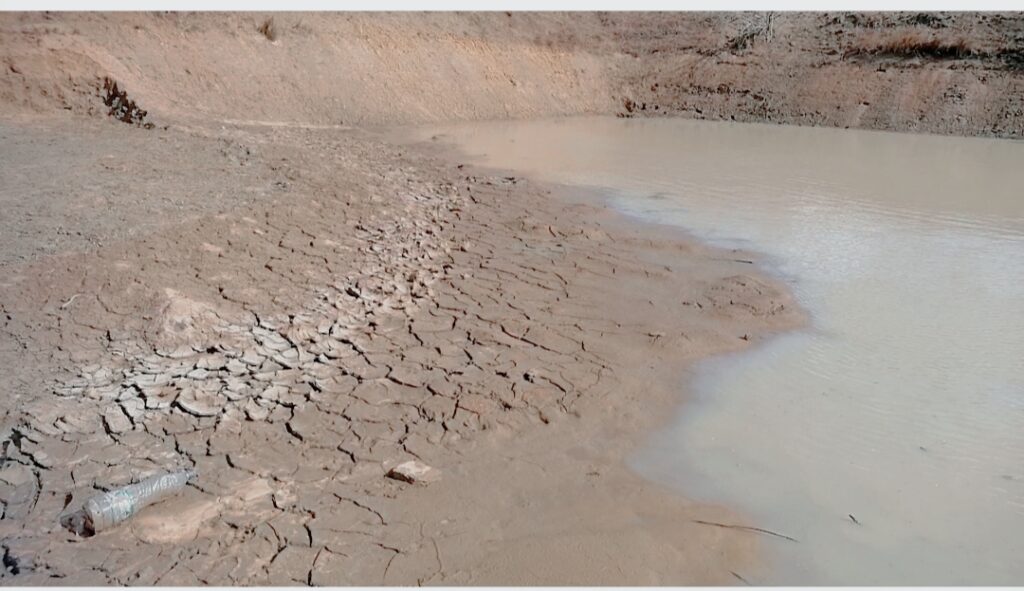
“Because the long and short rains did not fall properly, the water pan has dried up. What remains now is mostly mud. We now dig and remove the mud in preparation for the next rains, so that when it does rain heavily, we can harvest more water,” he explained.
According to Khamisi, the water pan, which was originally dug for irrigation work on the farm, could not serve that purpose because the surrounding community needed the water for their daily use. Now, it is drying up as well.
He said that mostly women come to fetch water, often three times a day.
“Most of the people who come to fetch water here are women. They come in the morning, at midday, and in the evening. I rarely see a man here fetching water,” he said.
For his own use, Khamisi relies on a traditional method of purifying the water with ashes. He lets the water sit for three hours before using it, as he cannot afford to buy water treatment products from the shop.
“I take ashes and add in the water I have fetched from the water pan, then leave the water for three hours to settle. I normally use it for washing, cooking, cleaning utensils and clothes, and even drinking. By the grace of God, I have never fallen ill from using it,” he said.
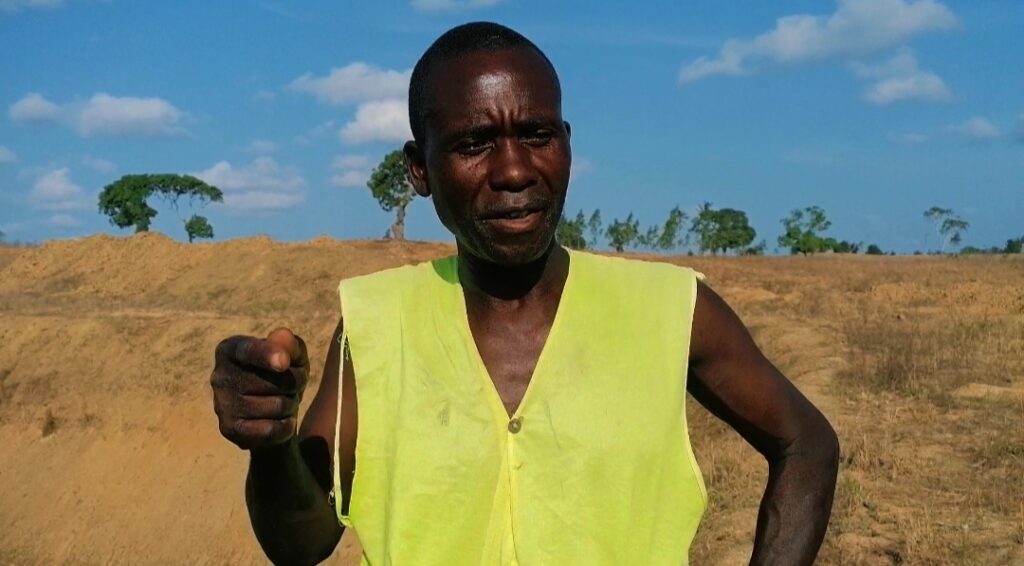
Chimwaga Mwamuye, is a health promotion officer in the coast region based in Kilifi County. He said the water in the pans are not well protected. In areas without proper toilets, human waste can be washed into water sources when it rains. During dry seasons, contamination becomes more concentrated as water levels shrink.
He said most of the diseases recorded in the area due to unsafe water usage include Bilharzia, diarrhea, and skin infections, with most of the clinics recording 3–5 cases in a week.
He said walking long distances under extreme heat can be dangerous, especially for pregnant women and young mothers.
“Standing in the hot sun for long can cause sunburn because children’s skin is very delicate. Mothers too can suffer burns.” He said.
There is also the risk of dehydration, losing too much water through sweat. In extreme cases, heat stress can lead to serious complications, even stroke.
He encouraged people to use simple solutions like boiling water, using purification tablets such as WaterGuard, or placing water in clear containers under direct sunlight for at least six hours to kill germs.
He said although these methods do not solve the larger problem of a changing climate, which makes water sources increasingly unreliable, they help ensure that families remain healthy despite the health risks they face.
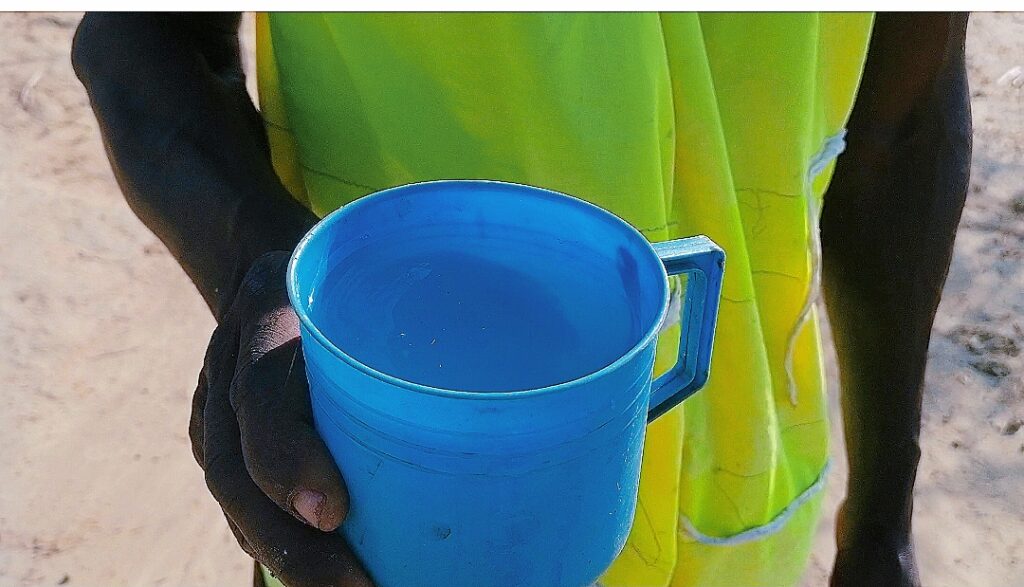
The climate–health link has gained global attention, including at the 30th UN Climate Change Conference (CoP30) in Belém, Brazil, where leaders warned that climate change is reshaping disease patterns.
The Belém Health Action Plan calls for stronger surveillance and evidence-based responses to climate-sensitive diseases.
Hamisa Zaja, an expert in water and sanitation, said it is unfortunate that despite the harsh weather that makes water scarce, politicians are using the scarcity of water in most parts of the Coast region as a campaign tool, making women more vulnerable.
She added that there is a need to stop politicizing water issues and ensure everyone has access to clean water as enshrined in the Constitution.
The Constitution of Kenya 2010 guarantees every person the right to clean and safe water in adequate quantities, as well as reasonable standards of sanitation under Article 43(1)(d). This fundamental right, supported by the Bill of Rights and the Water Act 2016, mandates both national and county governments to ensure accessible and safe water, particularly for marginalized groups.
Additionally, SDG 6 focuses on ensuring the availability and sustainable management of water and sanitation for all by 2030. Key targets include universal access to safe and affordable drinking water, improved sanitation and hygiene (including ending open defecation), reduced water pollution, increased water-use efficiency, and the protection of water-related ecosystems.
Also watch