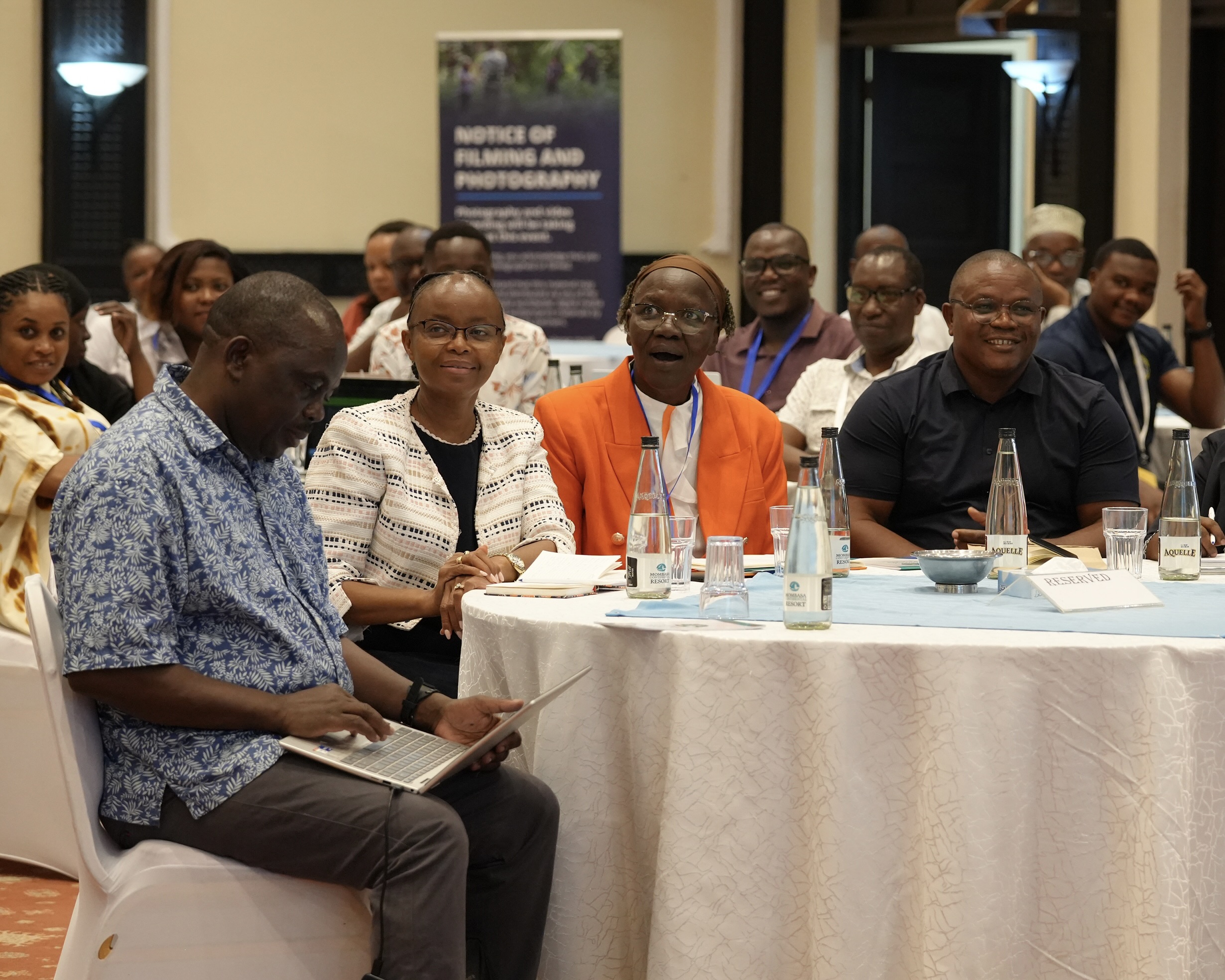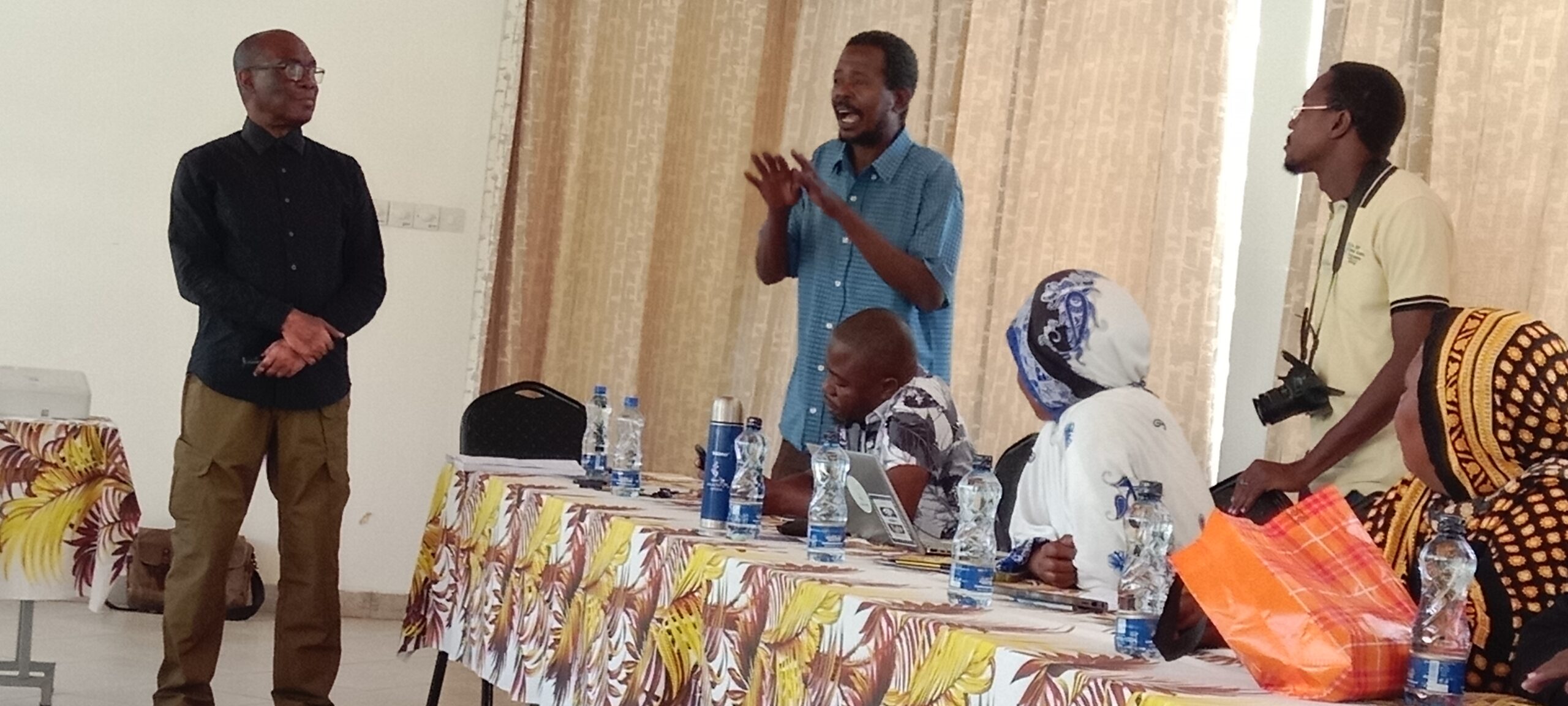
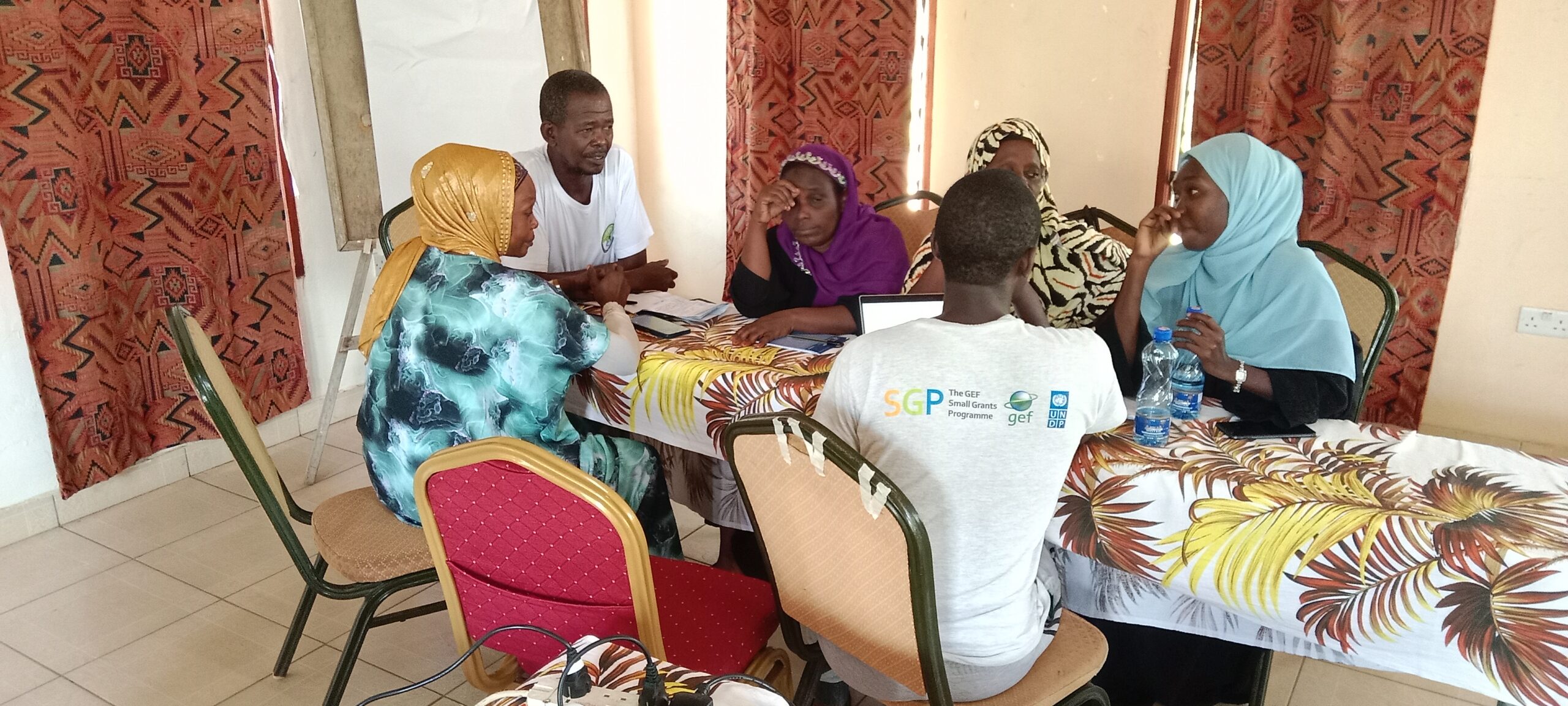
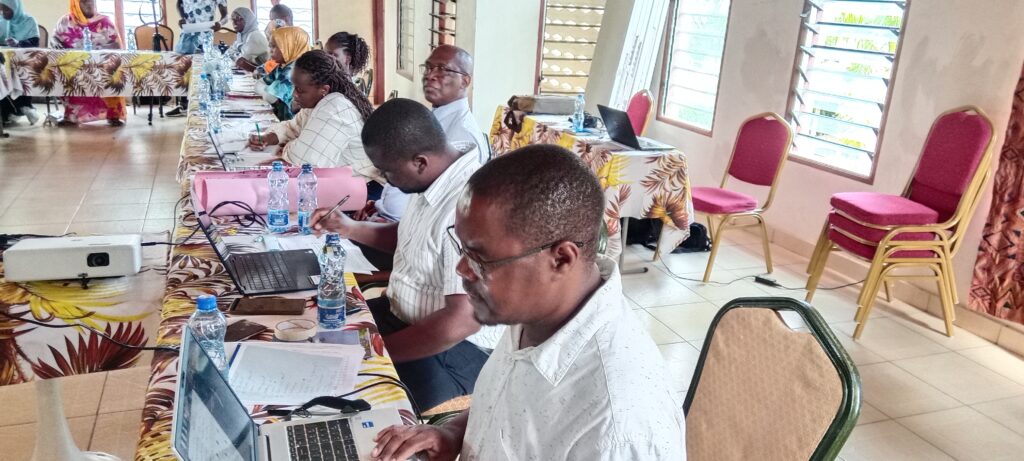
Grantees from the GEF SGP UNDP funded projects participating in group discussion during the advocacy and policy training organized by strategic partner CANCO in Msambweni, Kwale County| Photo By Mazera Ndurya
From cross-border harassment of fishers to the privatization of mangrove conservation, community groups in Kenya’s Shimoni-Vanga seascape are stepping up their advocacy efforts to defend both livelihoods and marine ecosystems.
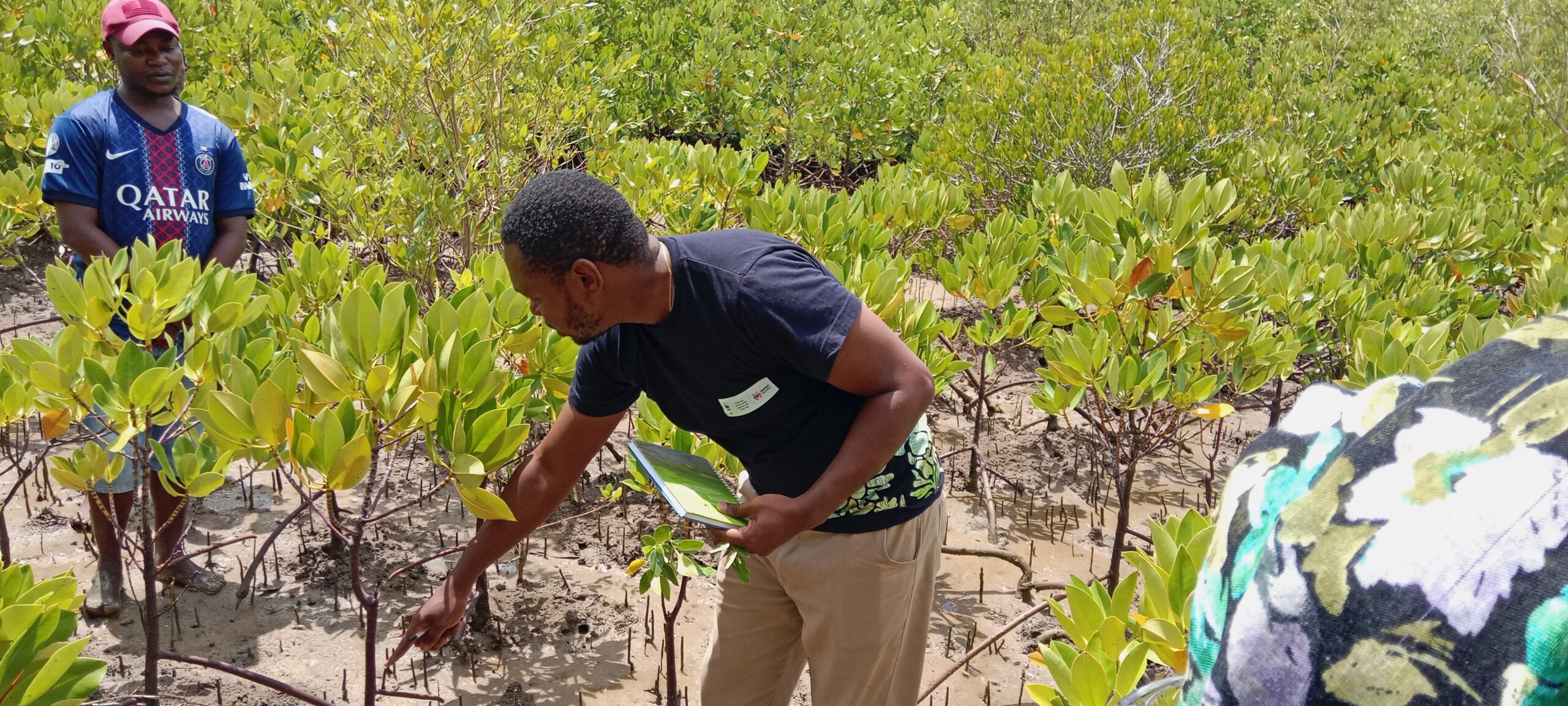
Along the blue waters of Kenya’s southern coast, in Kwale County, where mangrove forests fringe, seagrass meadows, creeks and coral reefs sustain artisanal fisheries, community groups are learning that conservation is not just about planting trees or protecting turtles. It is also about understanding policy, demanding accountability, and ensuring that local voices shape decisions affecting their natural resources.
That realization was at the heart of a two-day Policy and Advocacy Training organized by Community Action for Nature Conservation (CANCO), the strategic partner implementing the Global Environment Facility Small Grants Programme (GEF SGP-7) in the Shimoni-Vanga and Bodo- Mwandamu seascapes.
The training brought together leaders from community-based organizations, women’s groups, Beach Management Units (BMUs), and community forest associations supported by the Global Environment Facility and the United Nations Development Programme.
For many participants, the workshop offered more than technical skills. It gave them a platform to speak candidly about long-standing injustices facing coastal communities.
Participants highlighted a wide range of challenges that are interfering with their day to day activities. They include intimidation by Tanzanian authorities when Kenyan fishers stray across maritime boundaries, widespread use of illegal fishing gear, exclusion from mangrove restoration projects, and weak enforcement of environmental laws.
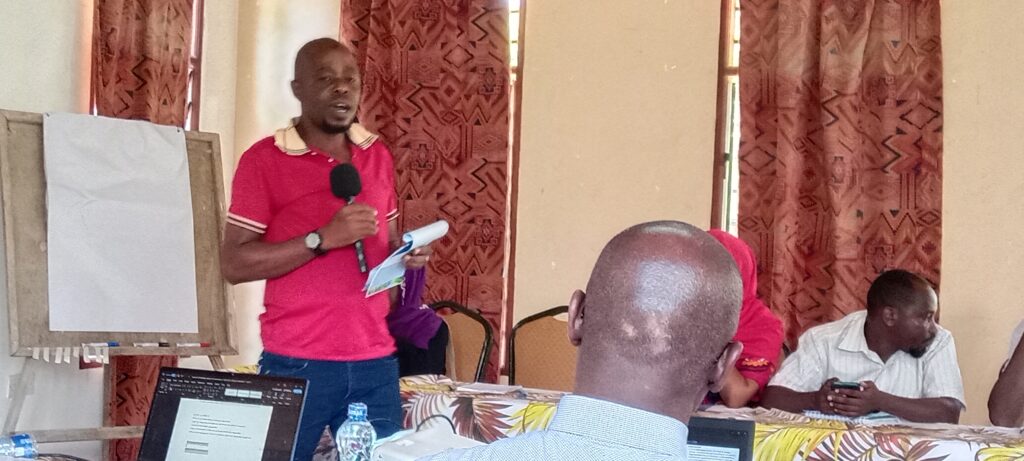
“We have learned that public participation is not just a formality,” said Mohamed Ndalu, chairman of the Shimoni Slaves Caves Project Implementation Committee. “It is a powerful tool for ensuring our voices are heard.”
Ndalu said the training broadened his understanding of inclusive decision-making, emphasizing the importance of involving women, youth, and persons with disabilities.
“There is a need for communities to speak with one voice if we want our issues addressed,” he said.
Women Step Into Leadership
For women in coastal communities, advocacy training is helping dismantle barriers that historically kept them out of leadership and decision-making.
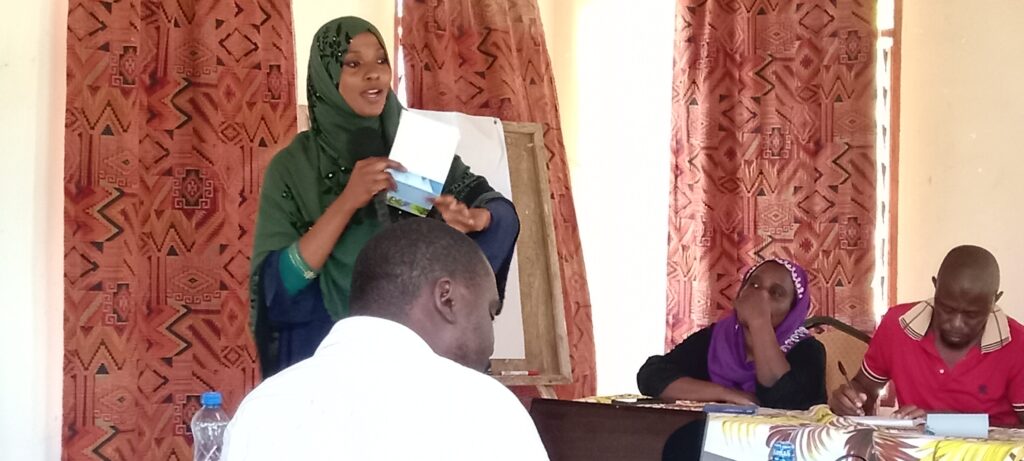
Mwatime Mohamed of Bodo Beach Management Unit and the Kwale County BMU Network said the workshop reinforced the importance of women taking active roles in community meetings and resource governance.
“In the past, our voices were often ignored,” she said. “Now we are gaining the recognition we deserve.”
She urged more women to attend public forums and participate in conservation initiatives.
“If we do not show up, we miss opportunities to influence decisions that affect our livelihoods.”
Women make up a significant proportion of participants in fisheries and marine conservation projects, yet many still face cultural and institutional obstacles to leadership.
The Mangrove Carbon Controversy
One of the most contentious issues raised during the training was the growing commercialization of mangrove restoration under carbon credit schemes.
Community members described how “Adopt a Forest” initiatives and other arrangements have effectively locked them out of mangrove areas they have long managed.
In some cases, they said, international organizations and private companies were granted exclusive rights to restore and manage mangrove forests without adequate consultation.
Mwadiwani Yusuf of Tunusuru Women Group in Msambweni said her group had entered into an agreement to supply mangrove seedlings but had not received payment.
“We were told we would be funded for the seedlings in our nurseries, but the money is not forthcoming,” she said.
Community leaders argue that such arrangements undermine the principle that natural resources should directly benefit local residents.
Conservation or Privatization?
Richard Matano Bemaronda, Programme Manager for the Shimoni-Vanga, Bodo-Mwandamo Seascape under GEF SGP, warned that conservation projects risk becoming extractive if communities are excluded.
“Giving large sections of mangrove forests to external organizations is like privatizing the forest,” he said.
Bemaronda noted that while many organizations are involved in mangrove conservation, local groups often feel marginalized and unable to access carbon revenue generated from their own landscapes.
He emphasized that advocacy begins with understanding who makes decisions and how communities can engage effectively with government agencies and development partners.
Threats Beyond the Mangroves
The challenges extend well beyond forest conservation.
Fishers cited the proliferation of illegal fishing gear and the limited capacity of artisanal fishers, many of whom lack vessels capable of venturing into deeper waters where fish stocks are more abundant.
Participants also expressed concern over large-scale development projects along the coast, including mining and tourism investments that may displace residents and harm critical habitats.
The mineral-rich Mrima Hills in Kwale County, known for niobium deposits, was cited as an example of how major investments can proceed without adequate safeguards for communities.
Other threats include:
- Disturbance to sea turtle nesting sites caused by coastal developments.
- Unregulated harvesting of ornamental fish and corals.
- Weak enforcement of environmental regulations by agencies such as National Environment Management Authority and the Kenya Forest Service.
Athman Fadhili of Pongwe Kidimu Community Forest Association said some ornamental fish exporters are also collecting corals for aquarium displays and other uses.
“Corals are being harvested and shipped out alongside fish,” he said.
Building Advocacy Skills for Lasting Change
CANCO Executive Director Hadley Becha led participants through practical sessions on:
- Community and stakeholder engagement.
- Environmental and marine resource governance.
- The advocacy process.
- Identifying decision-makers and target audiences.
- Developing advocacy work plans.
- Monitoring and evaluating advocacy efforts.
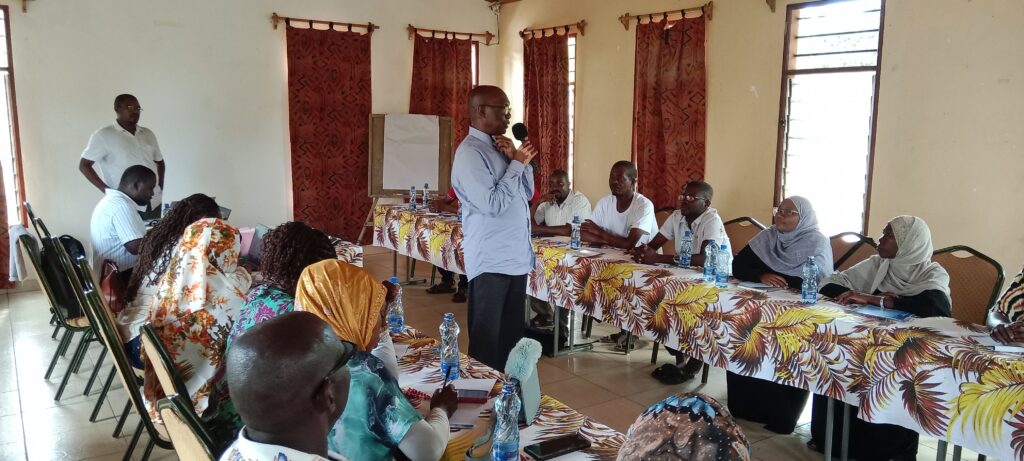
As the strategic partner, CANCO coordinates project implementation, strengthens governance and leadership, and links grantees with county and national government institutions.
The organization also supports communities in building sustainable systems that endure beyond the lifespan of donor-funded projects.
Turning Local Voices Into Policy Action
The Shimoni-Vanga seascape is one of Kenya’s most ecologically significant coastal landscapes, home to coral reefs, seagrass beds, mangroves, and globally important biodiversity.
For the communities that depend on these ecosystems, conservation is inseparable from social justice.
The advocacy training underscored a growing recognition that lasting environmental protection requires empowered communities who understand their rights and can engage confidently with policymakers.
As participants returned to their villages, they carried more than workshop notes. They left with a renewed determination to ensure that conservation decisions are made with them, not for them.
In a region where marine ecosystems sustain livelihoods, culture, and identity, that collective voice may be the most powerful conservation tool of all.