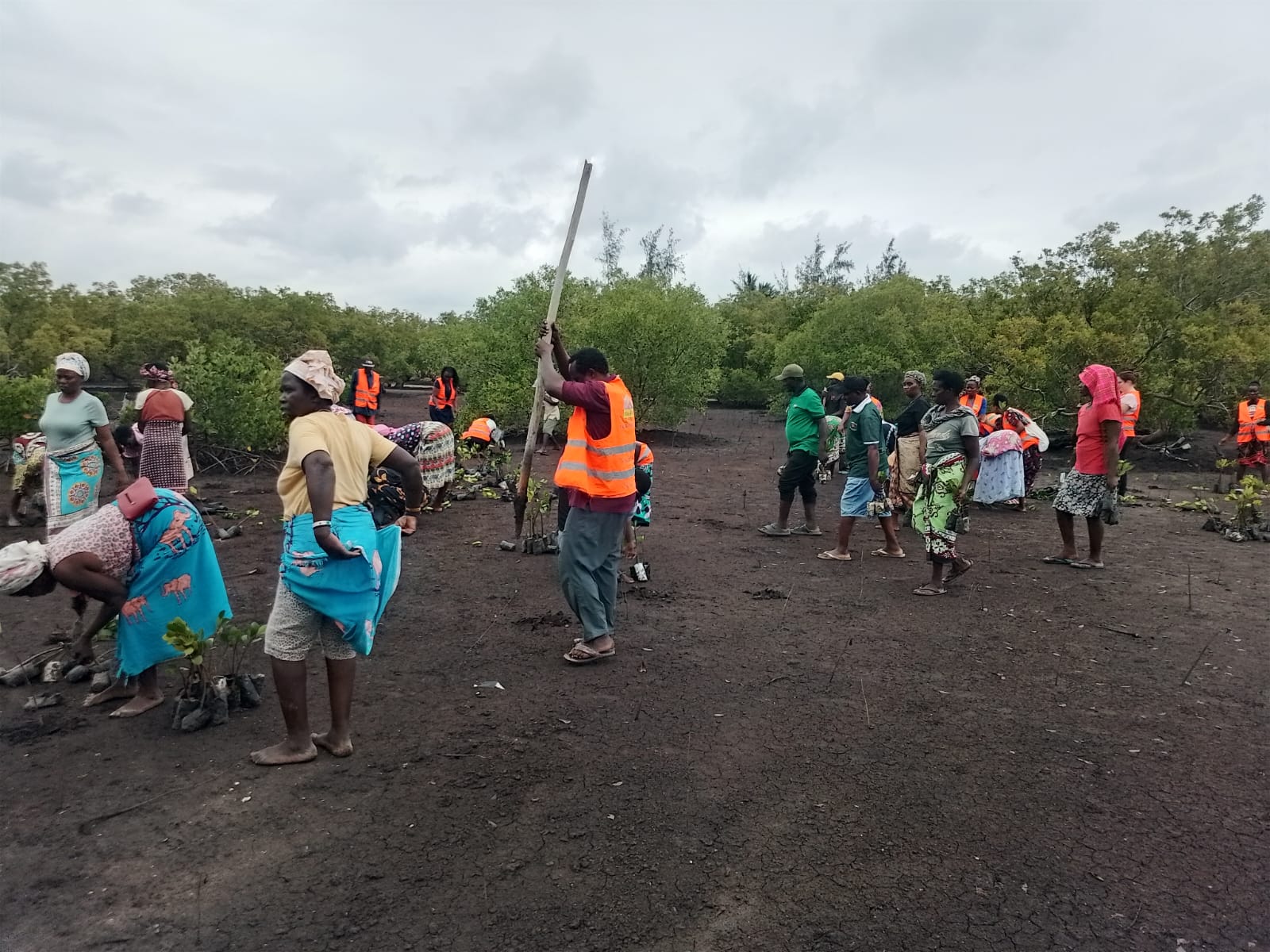
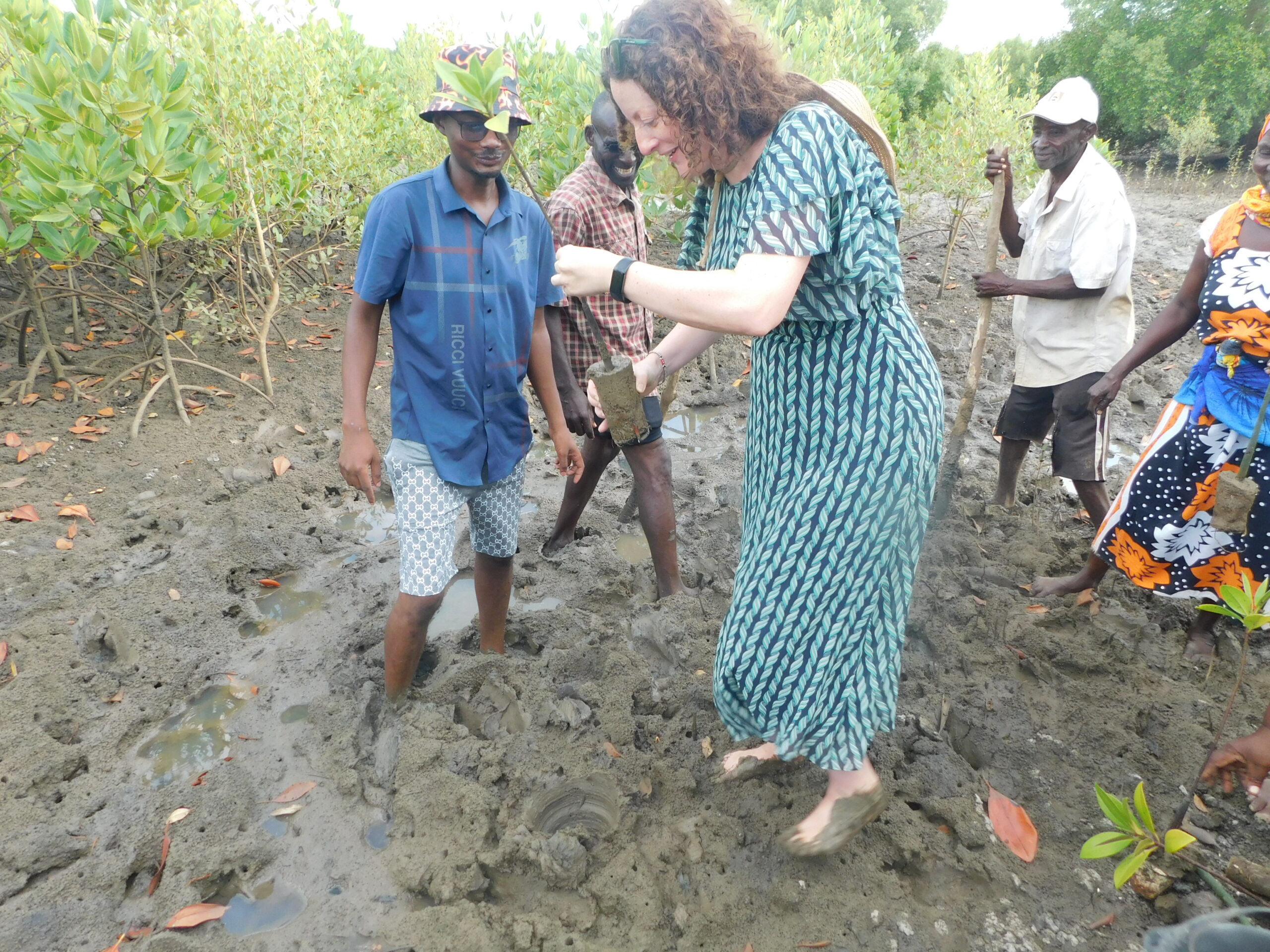
The Ambassador of Ireland in Kenya Caitríona Ingoldsby preparing to plant a mangrove seedling in Mreroni. Looking on is TuFAK National Coordinator Elijah Ngoa| Photo by Mazera Ndurya
Their forefathers enjoyed a serene, healthy environment and bumper fish catches, thanks to the thick canopy of mangroves that protected the ocean nearby. However, with massive destruction of the forest through uncontrolled harvesting of the mangroves for firewood, charcoal, and building materials, Mreroni village witnessed a turn for the worst bearing the brunt of Mother Nature.
An elder Edward Maneno, now in his 70s, who witnessed the beauty and abundance that the mangrove ecosystem provided to the community was recently at pains to explain the state of the forest. A sizeable cover of the forest was destroyed.
The good thing is that he is also at the forefront in the restoration of the mangroves and witnessing the attention their efforts have received locally and globally.
“The fishermen among us complained of dwindling fish stocks, the mangrove cover that was the envy of Mreroni had been degraded, with acres of what used to be under the forest left bare.
“As a community, that was the turning point in our lives. We had to do something, and that is what gave rise to the Mreroni Umoja Self-help Group, an initiative that started the journey of restoring the degraded areas and bringing back the lost mangrove glory,” said elder Maneno.
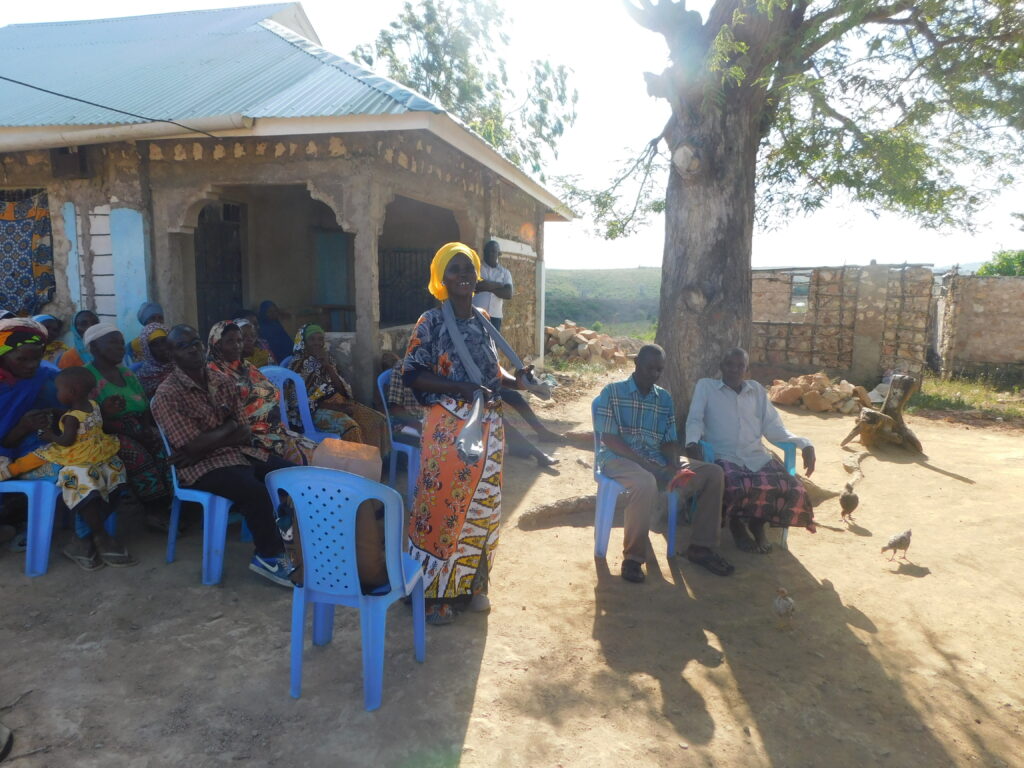
Their efforts have not been in vain. On November 27, 2025, Mreroni burst into song and dance. It was not their normal weekly meeting of members. On that Thursday afternoon, they were playing hosts to a team from the Embassy of Ireland in Nairobi, Kenya, led by the Ambassador Ms. Caitríona Ingoldsby, and Ms. Eireann O’ Sullivan, Deputy Head of Development & Cooperation.
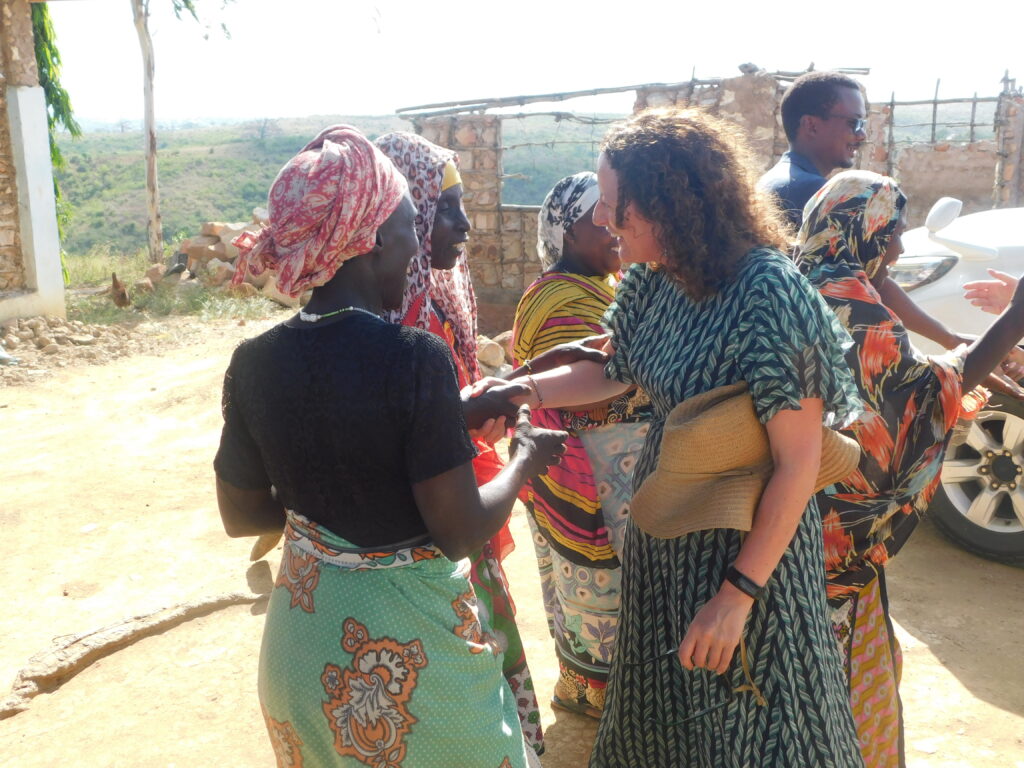
Through their humble beginnings in their quest to restore what was lost through massive cutting of mangroves, the Mreroni community is gaining international recognition through the support of the Tuna Fisheries Alliance of Kenya (TuFAK), an organization that linked them to the Embassy of Ireland.
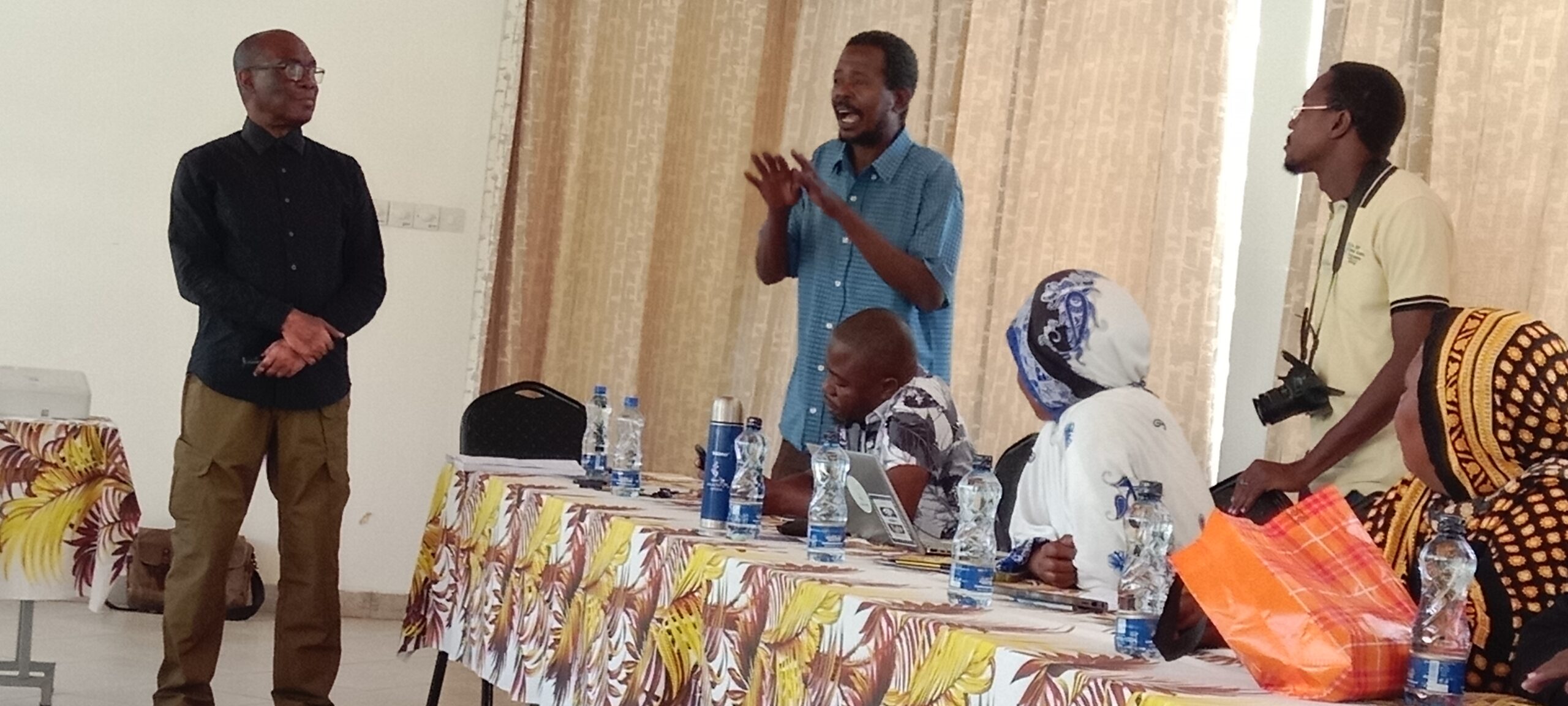
According to TuFAK National Coordinator, Elijah Ngoa, the ambassador had visited Mreroni in Jomvu Sub-County, Mombasa County, to inspect the TuFAK mangrove restoration and livelihood improvement project.
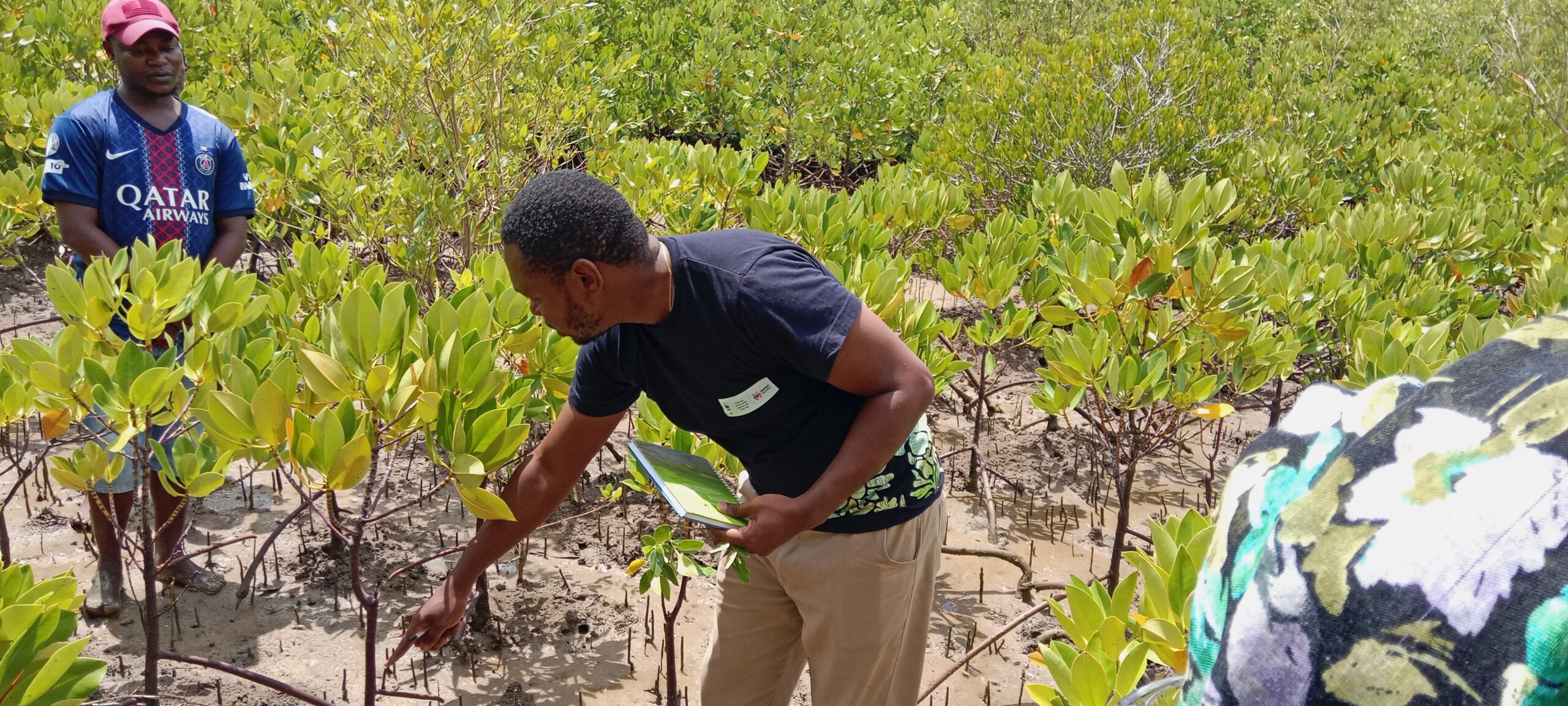
“The project was funded by the Embassy of Ireland in Kenya and implemented over a period of one year. Through the project TuFAK and the Mreroni Self Help Group managed to rehabilitate deforested areas with 20,000 mangrove saplings comprising of 3 species, namely Rhizophora mucronata, Ceriops tagal, and Bruguiera gymnorhizza.
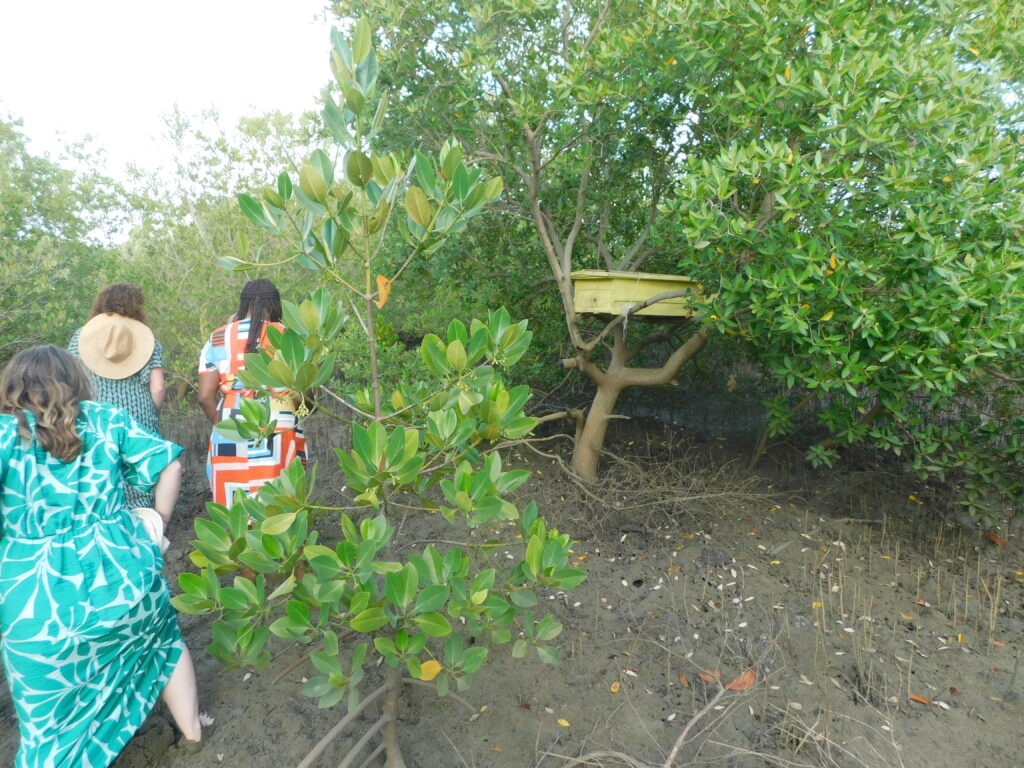
“Further, the beneficiary group was provided with 20 long Langstroth beehives, and the first harvest occurred in October, 2025, and the group managed to harvest about 3 litres from one hive. However, the little production was due to late harvesting and the bees had already consumed more than 80% of the honey. Moreover, the group now has a beehive monitoring and maintenance plan, and thus, they are optimistic that the upcoming harvests will be good. Also, 30 households were provided with energy -saving cooking stoves which use less firewood and produce less smoke, unlike the traditional ones,” he said.
Although the project came to an end on November 30, 2025, Ngoa said: “Our work towards empowering local communities to conserve and sustainably manage natural resources will carry on.”
The overall objective of the project is to support the Mreroni Self-Help Group in conserving, protecting, and restoring deforested and degraded mangrove ecosystems for socio-ecological resilience.
Women who bear the burden of lack of ensuring proper nutrition and good health for their children had a special tribute for the project, as they singled out the impact the energy-saving cooking stoves have had on their well-being.
Mariam Mkuzi, the treasurer of the group, said women have something more to thank the project for, and this is through the stoves.
“These stoves are not only reducing pressure on the forest because they use fewer firewood, they also produce much less smoke, and this in turn lessens the cases of respiratory diseases, especially among children.
“Health is a costly affair; therefore, any intervention that reduces the incidence of diseases is a big relief to the community,” she said.
Mariam says women too have joined in the mangrove conservation and restoration work by taking care of the mangrove nurseries as well as planting the seedlings.
The project aligned with the climate action priorities of Ireland’s international development policy, as it intends to strengthen the capacity of a local community group to avert the deforestation of mangroves and restore the degraded and deforested mangrove areas.
Ambassador Ms. Caitríona Ingoldsby drew comparisons between her hometown which she says is about 50 metres away from the sea, to Mreroni village, which is near the sea, saying the commitment to protect and conserve the mangrove ecosystem was highly commendable.
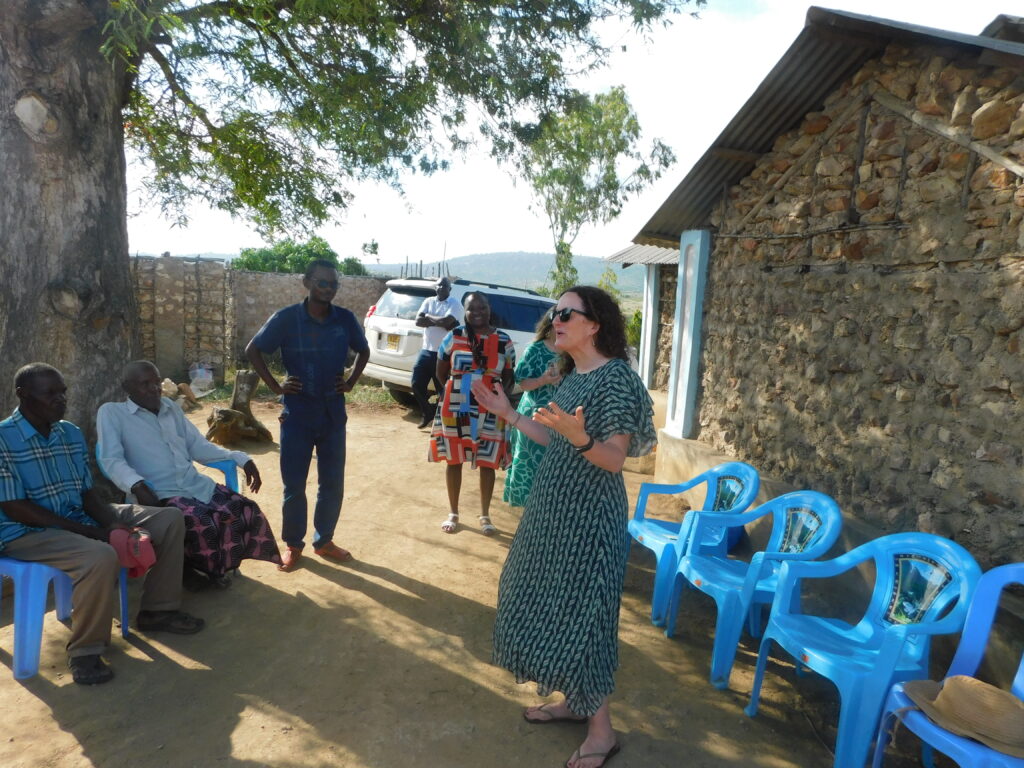
“I know there are still some challenges, but listening to the community on what the project has been able to achieve, it is refreshing to know that the funds that we donated through TuFAK are helping in changing the lives of the people,” she said.