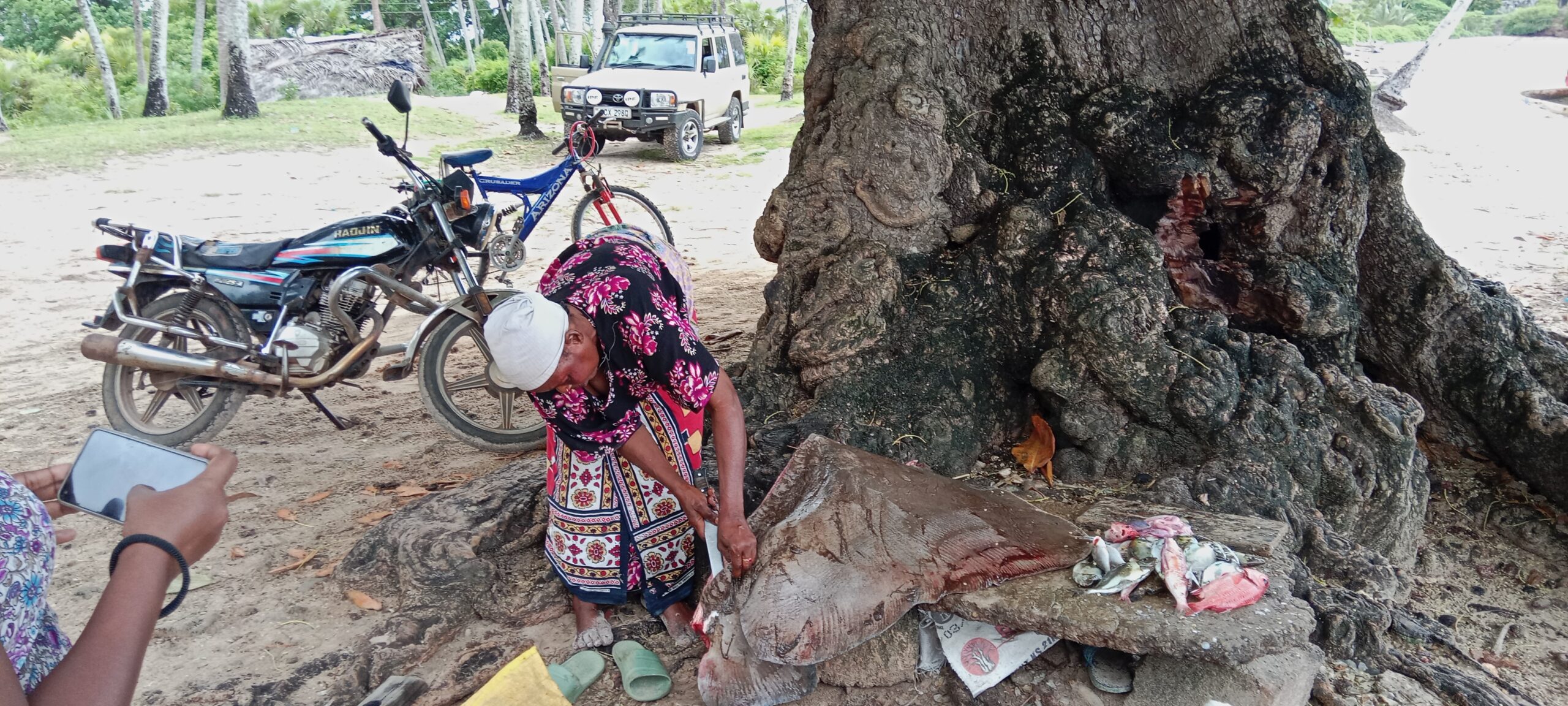
Fish dealer Mariam Masudi preparing fish for the market at the Mkunguni Beach in Kwale County. Women are at the forefront in fisheries enterprise| Photo By Mazera Ndurya
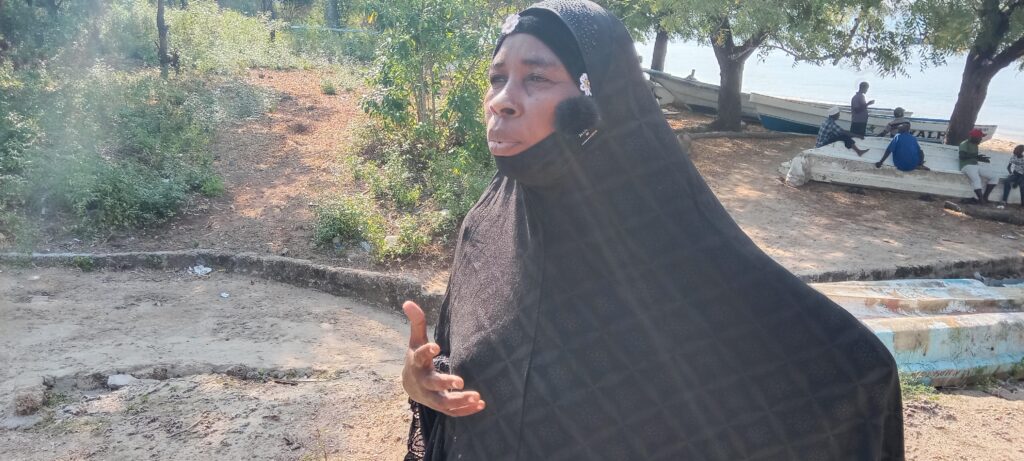
She did not just stumble into leadership – her path to leadership started way back in primary school from a class prefect to head girl at Mkwiro Primary school. After school she immersed herself into community work including being a community health worker, a task she performs up to now.
Her entry into the leadership in the fisheries sector through the Beach Management Unit (BMU) started when she was elected Vice secretary of Mkwiro BMU. Thanks to the support from former Chairperson Makame Mtengo who recognized her potential, she was elected as the chairperson of the BMU, a position she holds currently.
This is the story of Hadija Dossa, one of the few women in the Kenyan Coast who have taken up roles that were hitherto reserved for the men. Her acumen and experience is one of the pillars that the Global Environment Facility (GEF) Small Grants Progarmme (SGP) implemented by the United Nations Development progarmme (UNDP) within the Shimoni-Vanga, Bodo Mwandamo Seascapes is working with.
Mkwiro BMU is participating in the GEF-SGP Programme through the Kwale County BMU Network (KCBN) which established the Mkwiro-Kibuyuni Fishers Cooperative Society.
“Globally, women are taking up leadership roles and Mkwiro in Kwale County is no exception. My leadership has been well received although in such cases you cannot get 100 percent acceptance – it’s about a year now since I assumed the leadership of this organization and I feel we are going on well.
“Of course there are one or two people especially fellow women who are not fully in support of my leadership but that’s normal is such groups and that doesn’t prevent me from discharging my duties. My vice chairperson resigned because I did not allow him to control me and the BMU. I have to stamp my authority as a leader,” she said.
Of interest, Hadija said, some BMUs have been going to Mkwiro to benchmark on group dynamics and learn how a female-led BMU is running. “There are also visitors who are coming to see how the new leadership is managing one of the best managed BMUs in the region. Mkwiro has been ranked the best managed BMU.”
One of the projects that she inherited from Mtengo is the Octopus Closure. The BMU has a membership of 309 out of whom 220 are women. They comprise of fish mongers, dealers and octopus gleaners.
Hadija said: “There are few women in leadership positions but that is largely because most women don’t understand their roles as leaders, their rights, strengths and capacity. There are traditions that come into play – take our example where we are surrounded by the ocean. Young girls could swim without any problem but immediately they reach puberty, tradition doesn’t allow them to swim.
“It is also disheartening that a lady from Mkwiro cannot ride a boat and in the event of an accident or any emergency and all the men are out fishing yet the boats, engines and even fuel are available – it will be a disaster. There is a need for young women to train as coxswain even if it means going against the tradition,” she said.
Her message to fellow women: “There is no need to fear leadership one needs to be selfless. Get out there and join groups and organizations, start small for example joining school committees but focus on the bigger picture.”
Tunusuru
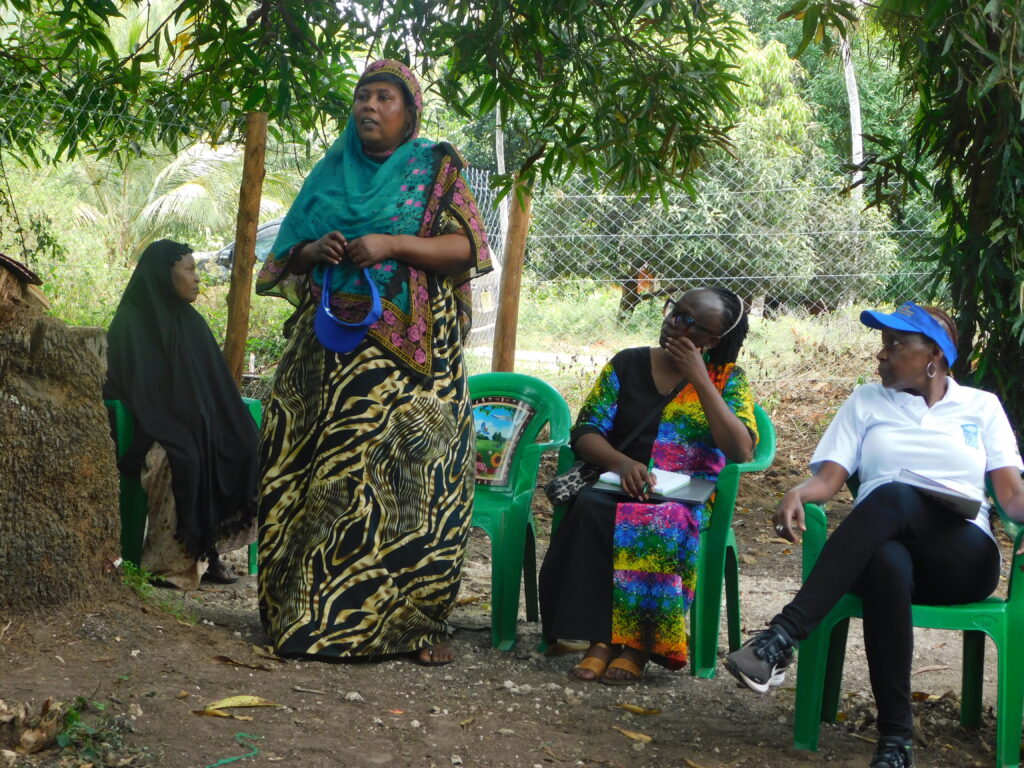
From taking leadership roles in various positions within the BMUs, women have demonstrated that when given the opportunity, they too can be part of the wider conservation agenda.
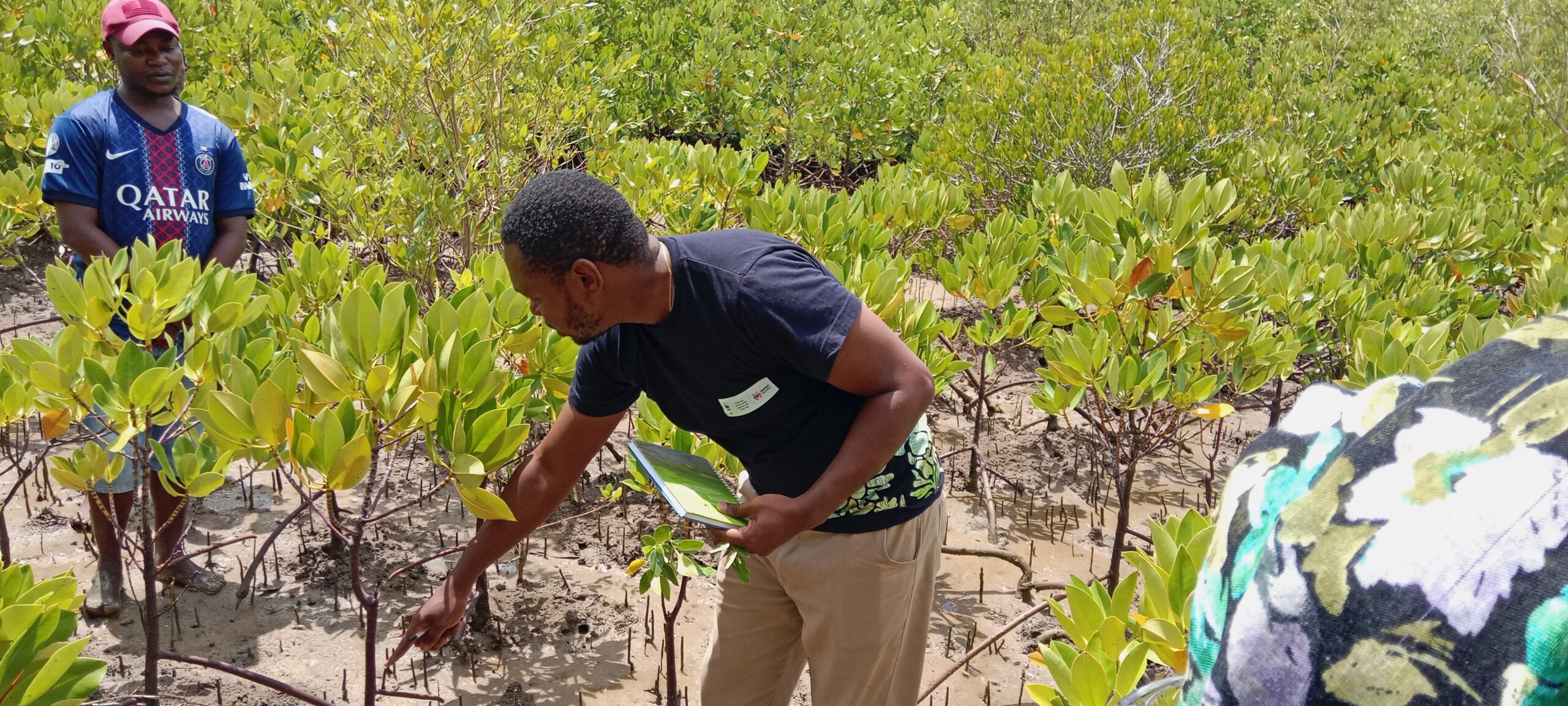
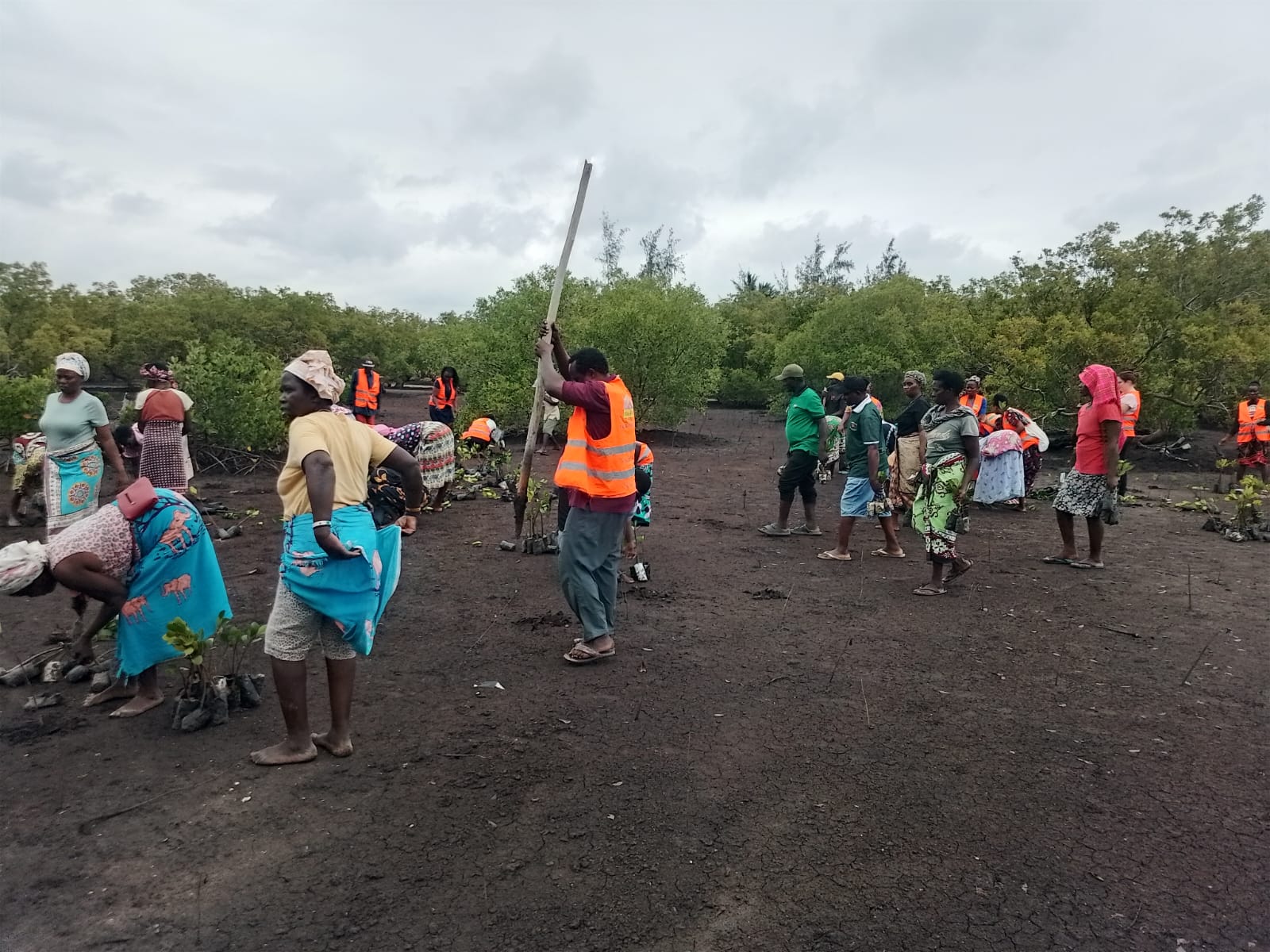
To augment this, women are also stepping up as leaders and entrepreneurs. Groups such as Tunusuru Women Group in Msambweni are redefining what rural women can achieve. Despite limited formal education, the group has organized themselves into a registered company, secured tenders from the Kwale County Government. They have collaborated with Colobus Conservation to protect biodiversity in their area through transformative activities like running mangrove nurseries, restoration of degraded areas and undertaking a successful beekeeping project.
Tunusuru Women Group Chairlady Mwanadiwani Yusuf said the success of their group is anchored on hard work and the desire for prosperity while safeguarding natural resources surrounding them.
“We started in 2019 with establishing tree nurseries and beach clean ups while making handcrafts. At one time we collected 6 tons of waste winning a prize from Base Titanium, the company that had sponsored the exercise. From our environmental campaign we ventured into beekeeping, a project that is still ongoing,” she said adding that the group now has 30 all-women members.
She said their effort in conserving the environment earned them support from other organizations including Cordio East Africa.
The group which runs a company has gone a notch higher with the opening of a website to promote their various activities. “Through this company, we were able to get a tender from the Kwale County Government to supply uniforms at the Msambweni Referral Hospital and another tender to construct Msambweni stalls,” she said.
To sustain their group activities, Mwanadiwani said some of the money they get is invested to generate more income. Some of the developments realized through their own resources include fencing of their site and establishment of an apiary with over 100 beehives.
“The men in the village are happy because through our group, they have been able to see progress and income for the youths who are involved in planting mangroves and other jobs that come up in construction, security and many more,” she said.
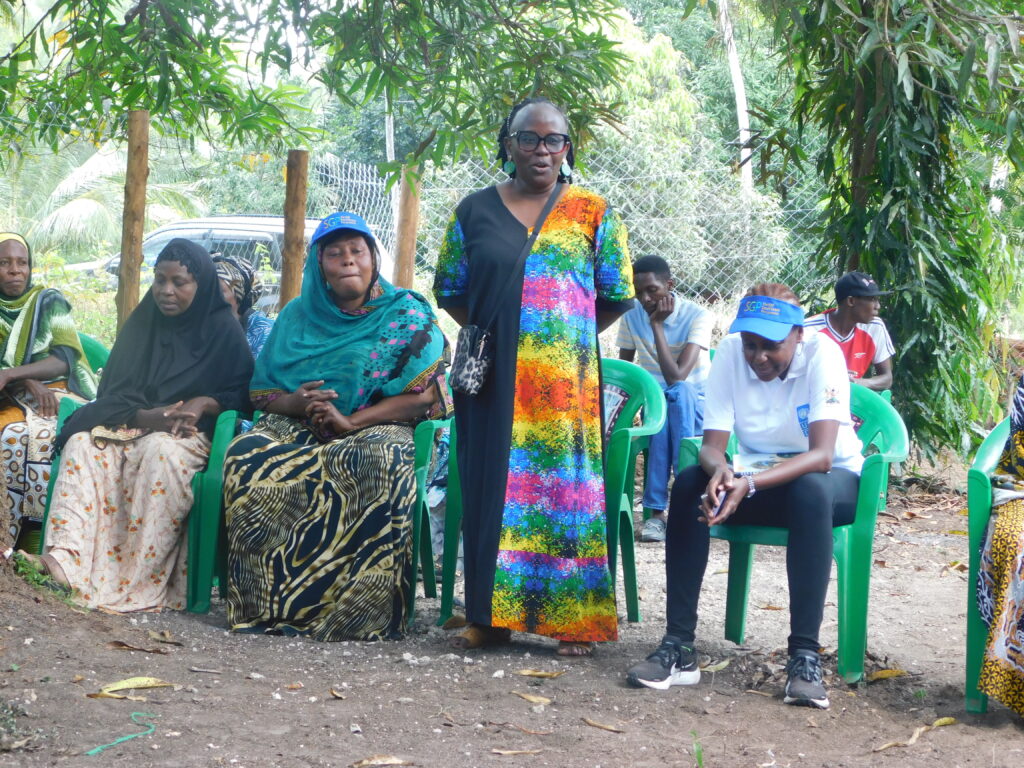
Their story is a testament to how empowerment and environmental stewardship go hand in hand.
The women are part of the beneficiaries that include Beach Management Units (BMUs), youth groups, women’s groups and Community Forest Associations, all undertaking projects designed to strengthen marine ecosystem management under the area’s Joint Co-Management Area (JCMA framework).
Seaweed Farming
For many households in Kibuyuni, seaweed farming is no longer a side activity, it is becoming a core livelihood.
Women, who form the majority of seaweed farmers, say the economic returns are steadily improving despite market challenges.
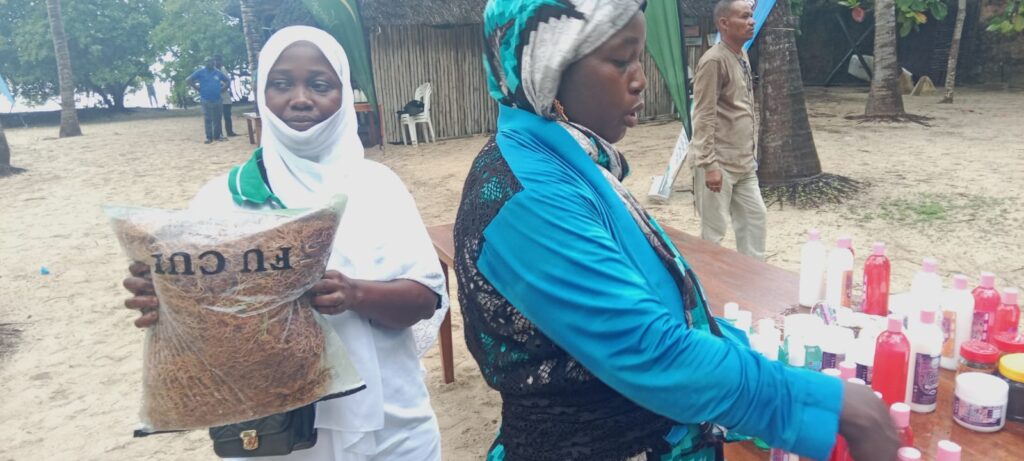
The local cooperative currently buys seaweed at KSh50 per kilogramme, allowing farmers to either sell immediately or store produce until market conditions improve to earn more.
One farmer described how seaweed farming has evolved into a family business.
“Initially it was individual work, but now my whole family participates. During weekends, even children help at the farm,” she said.
In some cases, women farmers now hire male youth as casual labourers, creating additional employment in the village.
Nancy Chege, National Coordinator of the GEF Small Grants Programme, said the initiative in its second year is already showing encouraging results.
“The community groups are doing very well with projects ranging from mangrove conservation, seagrass conservation, coral transplantation and ecotourism,” she said during a monitoring visit to the area in March, 2026.
“When natural resources are degraded, it’s women who suffer the most,” noted Nancy. “That’s why gender mainstreaming in these projects is critical not just participation, but real co-ownership.”
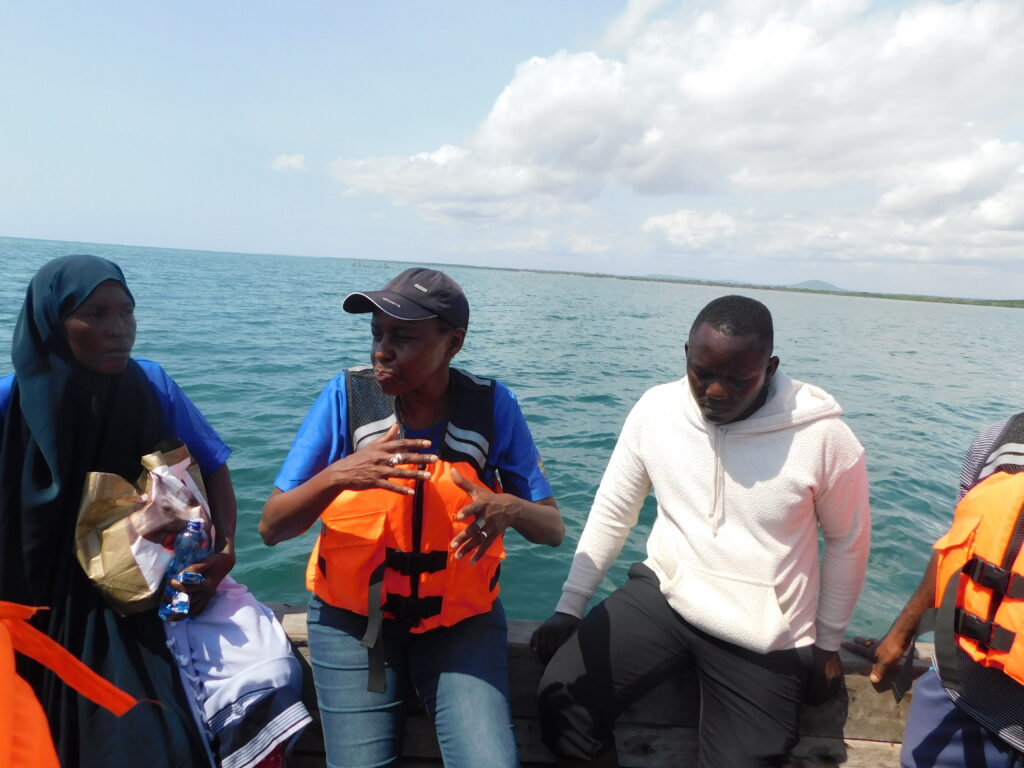
Each project under the programme received funding of up to US$30,000, roughly KSh3.5 million, a level of support that community groups say is already generating visible change.
Chege explains that one of the programme’s key strengths is its seascape approach which brings several projects into one geographic area rather than funding isolated interventions.
“By having many groups operating in the same seascape, they are able to learn from each other instead of working in silos,” she said.
The groups also benefit from technical support provided by Community Action for Nature Conservation (CANCO), a strategic partner which helps strengthen project implementation and collaboration.
“There is excellent support from the strategic partner CANCO –they have been supporting the groups individually but also collaboratively and that is very important for the groups that they are learning from one another,” said Chege.
She also echoed the involvement of Government agencies including the county fisheries department, Kenya Forest Service and Kenya Wildlife Service that are also supporting the projects by aligning them with county and national conservation priorities.
CANCO Project Manager Richard Bemaronda is impressed by the implementation of the GEF SGP funded projects saying their role as strategic partners started right from the time the groups applied for funding.
“We have been with the groups from the inception and we can say we understand all their strengths, weaknesses and even the challenges and this helps us to guide them throughout the projects implementation,” he said.
At CANCO, he said their role includes community sensitization, technical guidance, and coordination with local governments and agencies.
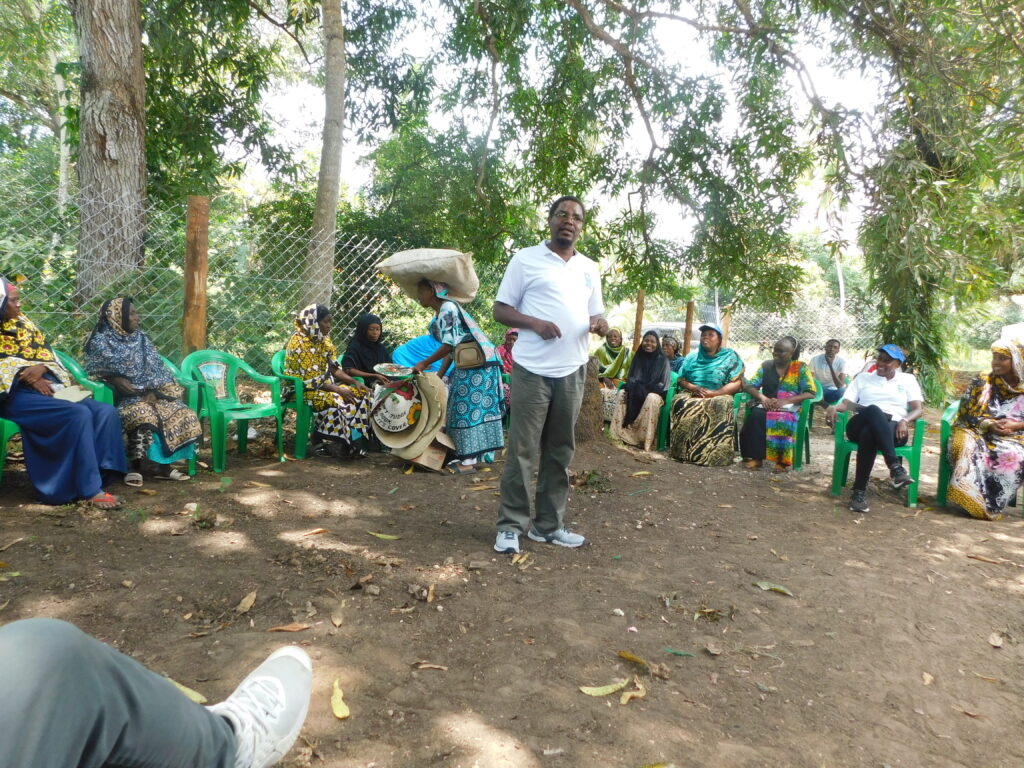
“Seeing the active involvement of women and youths is very uplifting and goes to confirm that the GEF SGP has taken all the measures for inclusivity,” he said.
As a strategic partner, CANCO roles include:
Coordination and Stakeholder Engagement;
Coordinate GEF SGP activities at the landscape/seascape level among CSOs and other stakeholders;
Facilitate the coordination and strengthening of the seascapes’ multi-stakeholder platform (MSP) focusing on governance, leadership, effectiveness, and sustainability.