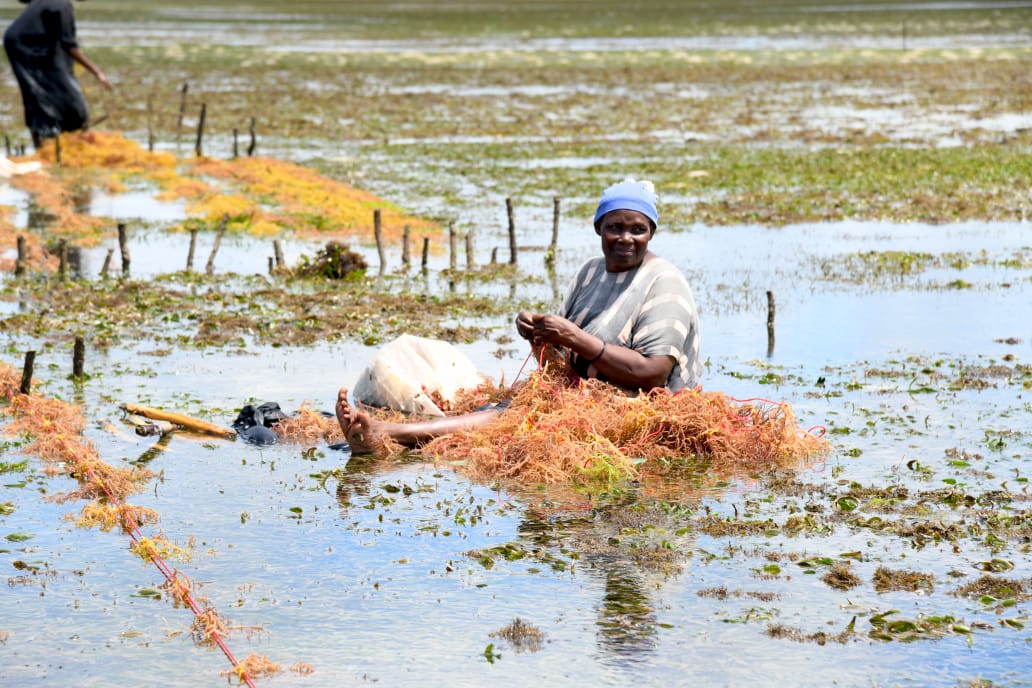
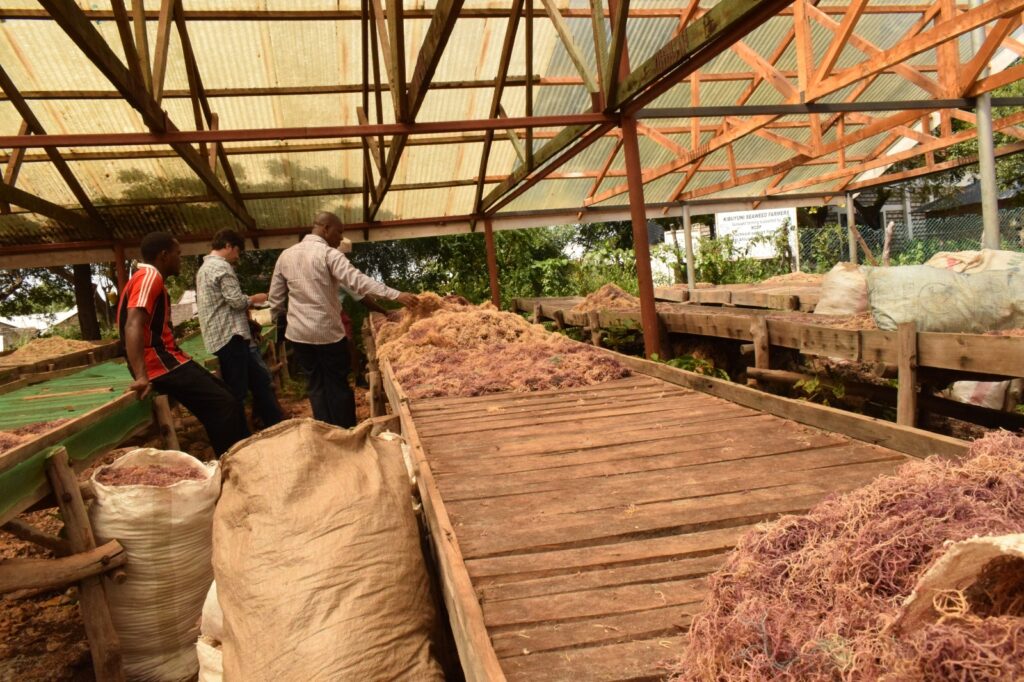
Women harvesting seaweed in one of the seaweed farms in Kibuyuni, Kwale County| Photo courtesy
Along Kenya’s vast coastline, an unassuming marine crop is quietly emerging as a cornerstone of the blue economy, offering a powerful solution to some of the region’s most pressing challenges of climate change, declining fisheries, poverty, food security and limited livelihood options.
Seaweed farming has long been practiced in the neighbouring United Republic of Tanzania, with impressive outcomes while contributing handsomely to the GDP. It is now gaining renewed attention in Kenya as stakeholders rally to unlock its full potential through best farming practices, science, policy reforms, investment, and market opportunities.
Seaweed farming is unique – it is non-extractive, compatible with indigenous and local cultures, customs, and environmental values, and has diverse uses. Despite its importance to the economy, the environment, and people, the sector faces myriad challenges that currently prevent it from realizing its full potential. They include climate change impacts, limited farming technologies, fluctuating market prices, limited access to quality seed cultivars, inadequate processing or value addition infrastructure, and policy gaps.
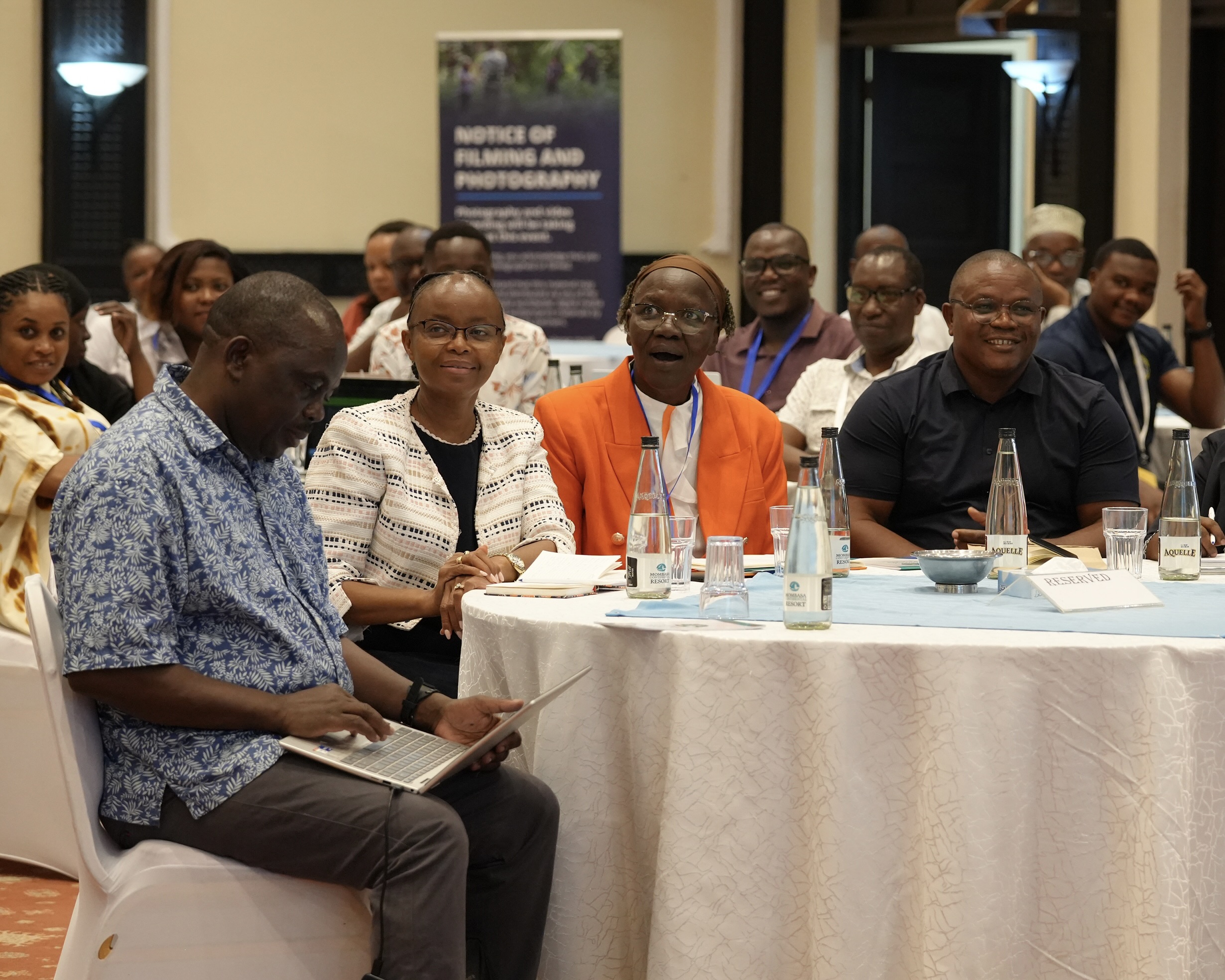
To respond to these challenges, the first national seaweed sector stakeholders’ workshop was recently convened in Diani, Kwale County, by the Kwale County Government and the State Department for Blue Economy and Fisheries, in collaboration with The Nature Conservancy (TNC), Kenya Fisheries Service, Kenya Marine and Fisheries Research Institute, and Jumuiya Ya Kaunti Za Pwani (JKP), with funding from TNC – a non-profit environmental organization.
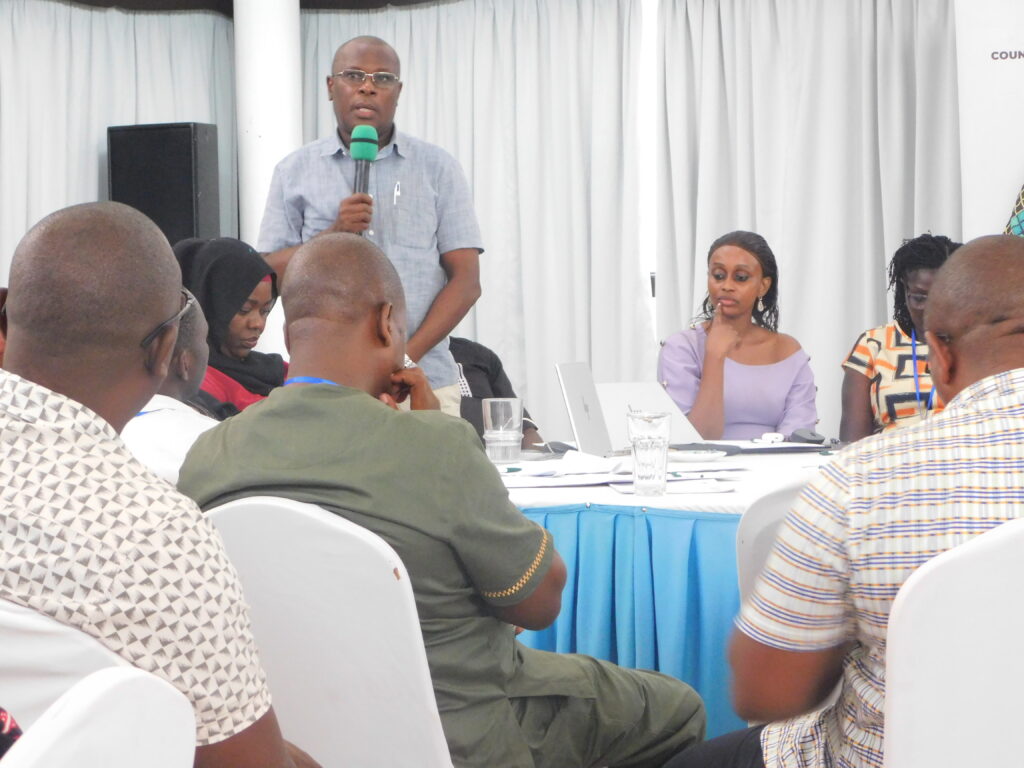
The gathering deliberated on strategies to advance restorative seaweed aquaculture in Kenya, bringing together voices from government, research institutions, academia, conservation organizations/civil society, private investors, and farming communities around a shared vision: transforming the seaweed sector into a thriving, restorative, and climate-smart blue economy that provides sustainable livelihoods for coastal communities.
A sector rooted in equity and climate resilience
One of the biggest takeaways from the inaugural national stakeholder forum is that Seaweed farming is more than an aquaculture activity. It is a livelihood lifeline, particularly for women. More than 70 percent of seaweed farmers are women, making the sector a powerful driver of gender equity in the blue economy space.
“Seaweed aquaculture presents a unique and largely underutilized opportunity, one that is environmentally regenerative, economically inclusive, and particularly beneficial to women and youth,” noted Mr. Benson Kirathe, the Assistant Director in the State Department for Blue Economy and Fisheries. He further indicated that the government is keen on investing and advancing supportive conditions for seaweed restorative aquaculture to commercial scale in Kenya.
Unlike extractive marine activities, seaweed farming improves water quality, absorbs carbon and excess nutrients, enhances habitats, and strengthens coastal ecosystem resilience. Globally, restorative seaweed aquaculture is increasingly recognized as a nature-based solution for climate adaptation and mitigation, an approach that Kenya is now poised to embrace.
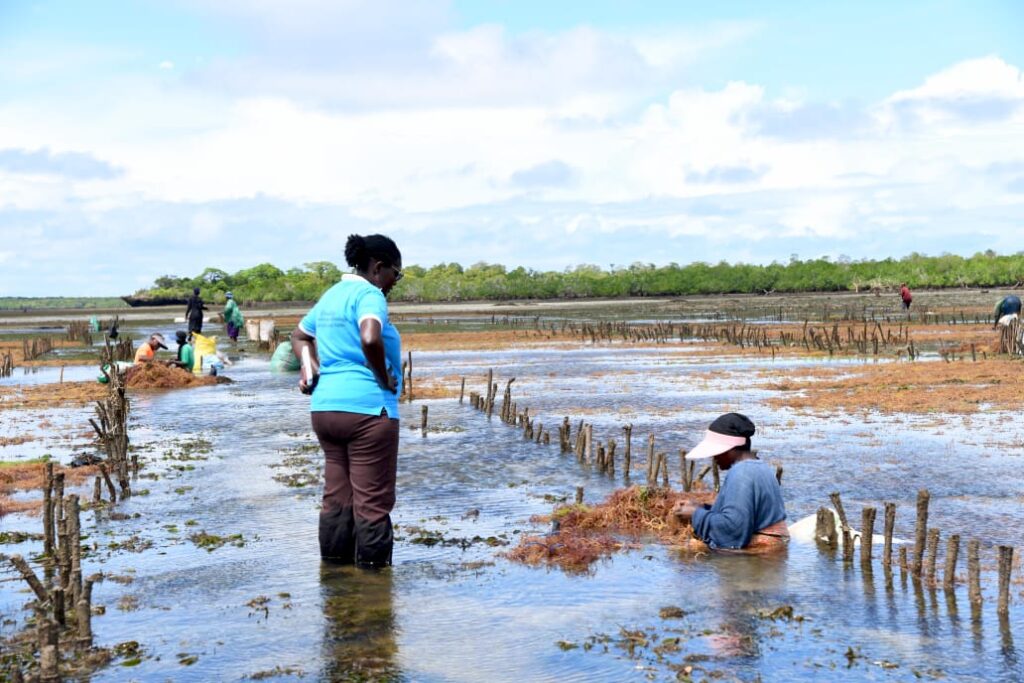
“Restorative seaweed aquaculture goes beyond production as it contributes to improved water quality, carbon sequestration, habitat enhancement, and resilience of coastal ecosystems while also generating incomes through economically based enterprises. It aligns directly with the blue economy agenda, climate adaptation commitments, and sustainable development priorities,” said the official from the State Department for Blue Economy.
Lessons from Zanzibar
The contrast between Kenya and Zanzibar is both striking and inspiring. In Zanzibar, seaweed farming is the third-largest foreign exchange earner, after tourism and spices. The Sector directly employs about 26,000 people, of whom almost 80% are women. Globally, Zanzibar ranks among the top red seaweed producers (16,653 metric tonnes in 2023), alongside the Philippines and Indonesia.
Kenya, however, produces far below its potential. While research indicates that Kenya’s annual seaweed production stands at about 146 metric tonnes, stakeholders noted that production remains fragmented, low-value, and poorly integrated into global markets.
“This gap clearly demonstrates that Kenya has immense untapped potential to develop its seaweed aquaculture industry sustainably,” said Dr. Emmanuel Nzai, the Chairperson of the Kenya Vision 2030 Delivery Board and the founding CEO/Secretary of Jumuiya ya Kaunti za Pwani (JKP) a regional economic development organization representing Kenya’s six coastal counties- Mombasa, Kwale, Kilif, Tana River, Lamu and Taita Taveta. Dr. Nzai added that, “with the right enabling environment, Kenya’s national and county governments can scale seaweed production, attract investment, and support livelihoods while restoring marine ecosystems in line with the national development agenda.”
George Maina, Africa Fisheries Strategy Manager at TNC, said that “TNC is working with governments and industry stakeholders to ensure that aquaculture grows in a manner that improves marine ecosystems while providing climate-smart seafood and livelihoods for the growing population and coastal communities”. He added that they are pursuing this work through partnerships by supporting place-based interventions, catalyzing market demand, and filling science gaps.
Although the sector is growing slowly, it is heartwarming that more partners are coming and are ready to support.
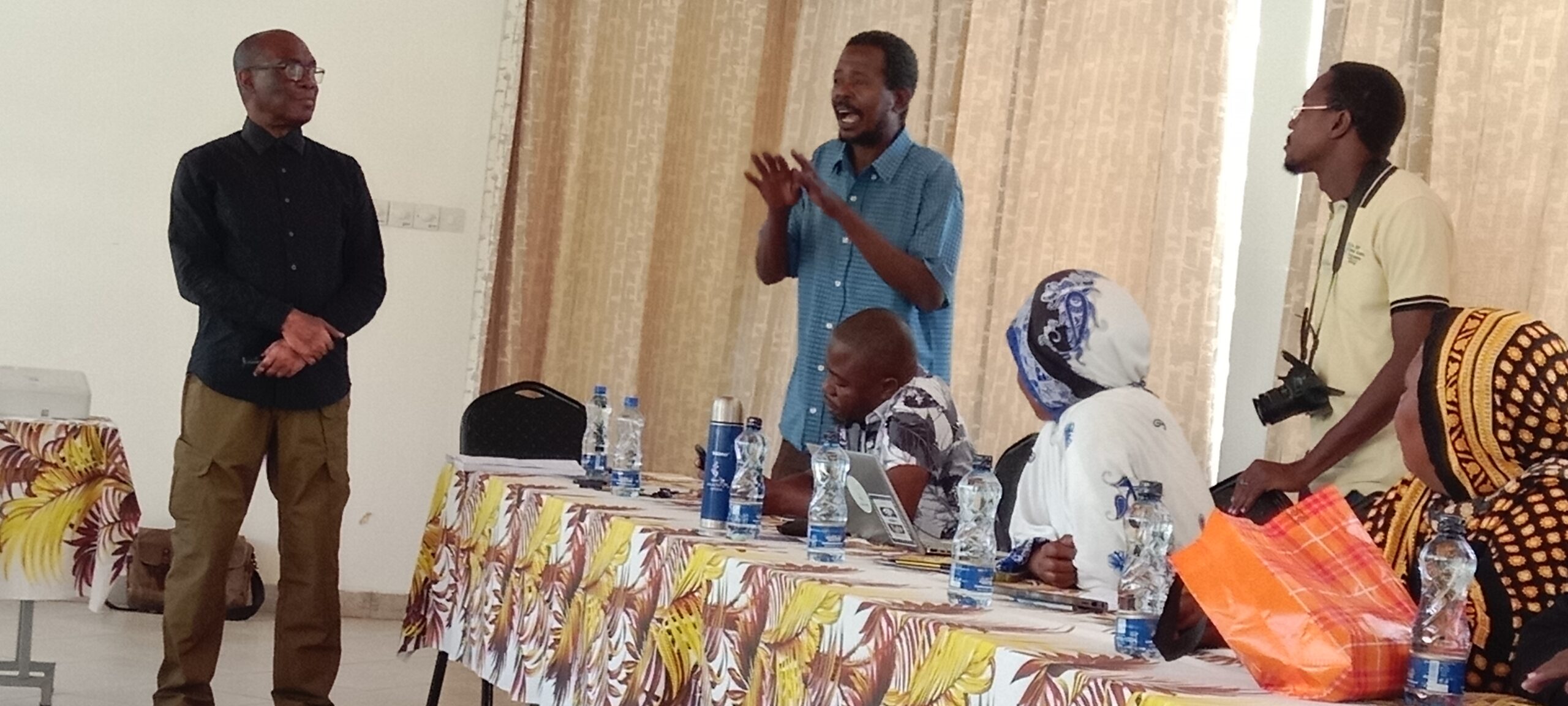
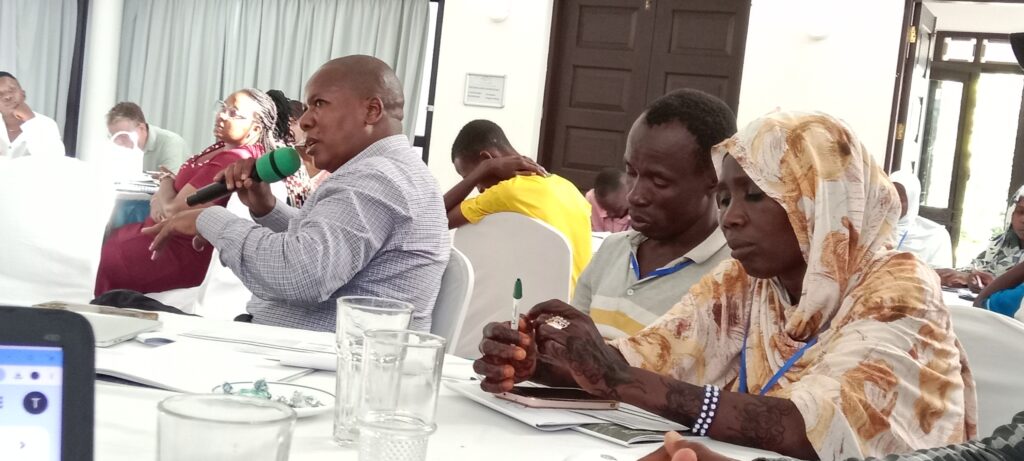
The seaweed sector stakeholders’ workshop brought together diverse stakeholders from conservation organizations, research, government, business entities, farmers, donors, and policymakers to have a candid dialogue about issues affecting the seaweed sector, share lessons on best farming practices, and explore the enabling environment.
After this meeting the stakeholders will be meeting to assess the progress and set annual goals,” said Maina.
Strengthening governance, community institutions, and partnerships
TNC Kenya Country Director, Dr Ruth Masha, emphasized that successful seaweed industry development must be intentional, community-centered, and driven through partnerships.
“As we confront the dual crises of climate change and biodiversity loss, our seafood system must be a central part of the solution. Key to this is strengthening governance and management capacity of partners and community institutions, building conservation capacity, and ensuring people see tangible benefits,” she said, adding that the seaweed sector sits at the intersection of conservation and investment.
Kenya Fisheries Service (KeFS), represented by Dr Beatrice Akunga on behalf of the Acting Director General, Lucy Obungu, reiterated the regulator’s role in enabling, rather than blocking, responsible investment.
“As regulators, we must provide clear, predictable regulatory pathways while safeguarding quality, safety, and sustainability,” Dr Akunga said, citing frameworks such as the Fisheries Management and Development Act (2016), Kenya Fisheries Policy (2022–2032), Aquaculture Policy (2025), and the Kenya Blue Economy Strategy.
However, she acknowledged a key gap that Kenya still lacks a seaweed-specific regulatory framework, leaving investors and farmers navigating unclear permitting and classification processes.
“We do have other challenges in markets and pricing, and this is a really critical policy issue. Sometimes we have unstable and low farm prices. We have farmers who accumulate bulk seaweed but don’t know where to sell it, and this requires serious thought.
“We need to have traceability and product standards, safety, and quality assurance to ensure that we’re getting the best for the market,” she noted.
She said there are many women and youths in this sector, and it’s important that development partners and the government join forces to hold their hands so that they move this sector forward.
Markets, pricing, and the value chain dilemma
While production challenges persist, stakeholders agreed that markets and pricing remain the sector’s most critical bottleneck. In some coastal communities, farmers earn as little as KSh35 per kilogram of dried seaweed—an income widely viewed as unsustainable. During the workshop, it was reported that the current market price for cultivated dried red seaweed varies, while the international market price stands at about KShs70 per kilogram. This has limited the extent to which prices can be increased, as seaweed buyers stated during the workshop. They also decried the ambiguous and labour-intensive permitting process and the low production volumes, which do not meet market demand.
“Without market reforms and aggregation models, increased production will not translate into improved livelihoods,” Dr Akunga warned.
This concern was echoed by JKP, which has worked closely with women farmers through the Go Blue Project. “With all the labour involved, what farmers earn is simply not right,” a JKP representative noted, calling for Kenya to learn from Tanzania’s pricing and aggregation models.
Kwale County Executive Committee Member Roman Shera stressed the importance of domestic demand, particularly the use of seaweed as food.
“It is our responsibility as stakeholders in the seaweed sector to see how the price of this product can be improved. Many people in Kenya still don’t know the importance of seaweed, and I quite agree, because when you look at its uses, it is very clear that many people are still in the dark.
“One thing that we must take seriously as stakeholders in this sector is using seaweed as food. This is one thing that we have not understood, and our researchers need to look at ways we can develop, especially in the use of seaweed as food,” he said.
“If we promote seaweed as food, demand will rise, and this will translate to more income for farmers.”
Science as the backbone of sustainable growth
At the heart of the sector’s future lies research and science. The Kenya Marine and Fisheries Research Institute (KMFRI) has been at the forefront of seaweed research for decades, supporting site selection, seed development, disease management, and value addition.
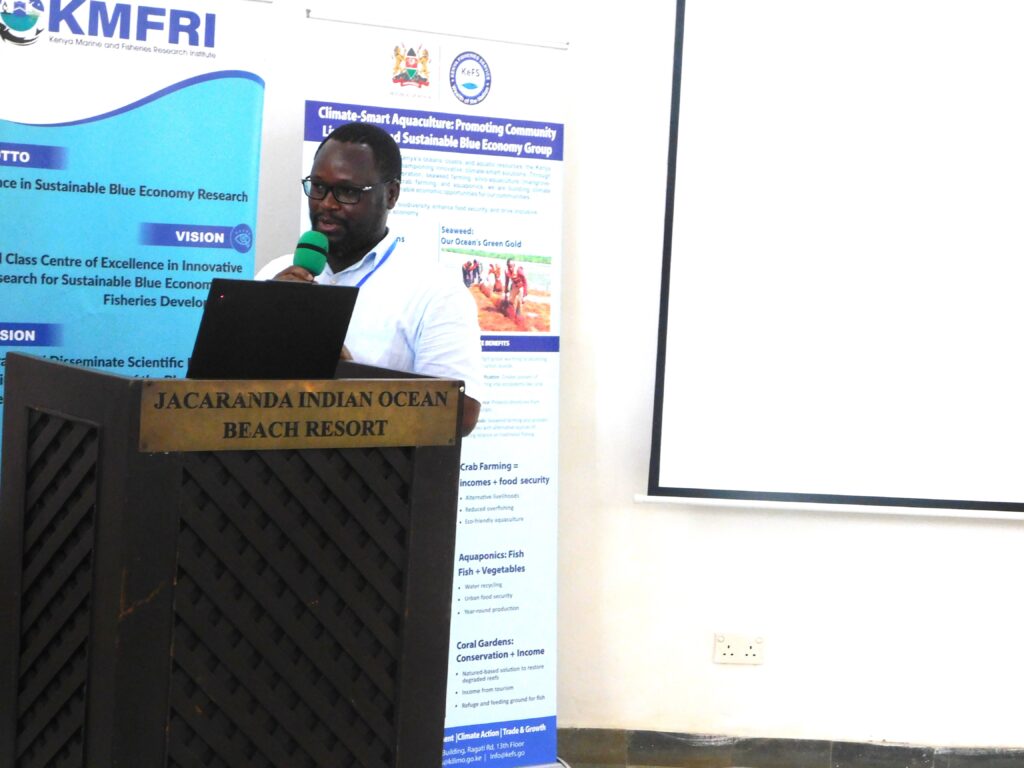
KMFRI’s Dr Elisha Mrabu representing Director General Dr Paul Orina said KMFRI is passionate about seaweed farming.
“KMFRI scientists were at the forefront of the research on seaweed until 2010 when commercialization of seaweed was initiated. Through research, we have helped many development partners in guiding value addition, linking them to the community,” he said.
KMFRI has worked closely with development partners such Kenya Fisheries Services, the County governments in enhancing seaweed farming as a source of livelihood to the people.
“The vision is to spread seaweed farming to all the coastal counties. Some serious seaweed work has started in Lamu through Mawimbi Ocean Innovation LTD and hope this will be replicated in other counties, especially to increase the number of species being farmed. Currently there are only two,” he said.
Dr David Mirera, Principal Research Scientist at KMFRI said seaweed farming can be a real commercial enterprise. “But growth must be guided by science to ensure environmental sustainability and economic viability.”
The success and increased yields in seaweed must be through better production technologies and the production of high quality and suitable seed cultivars. “The seaweed we have is affected by climate change issues and so we need to develop a stable seed cultivar for seaweed, one that can grow faster and be able to withstand the impacts of climate change,” said Dr Mirera.
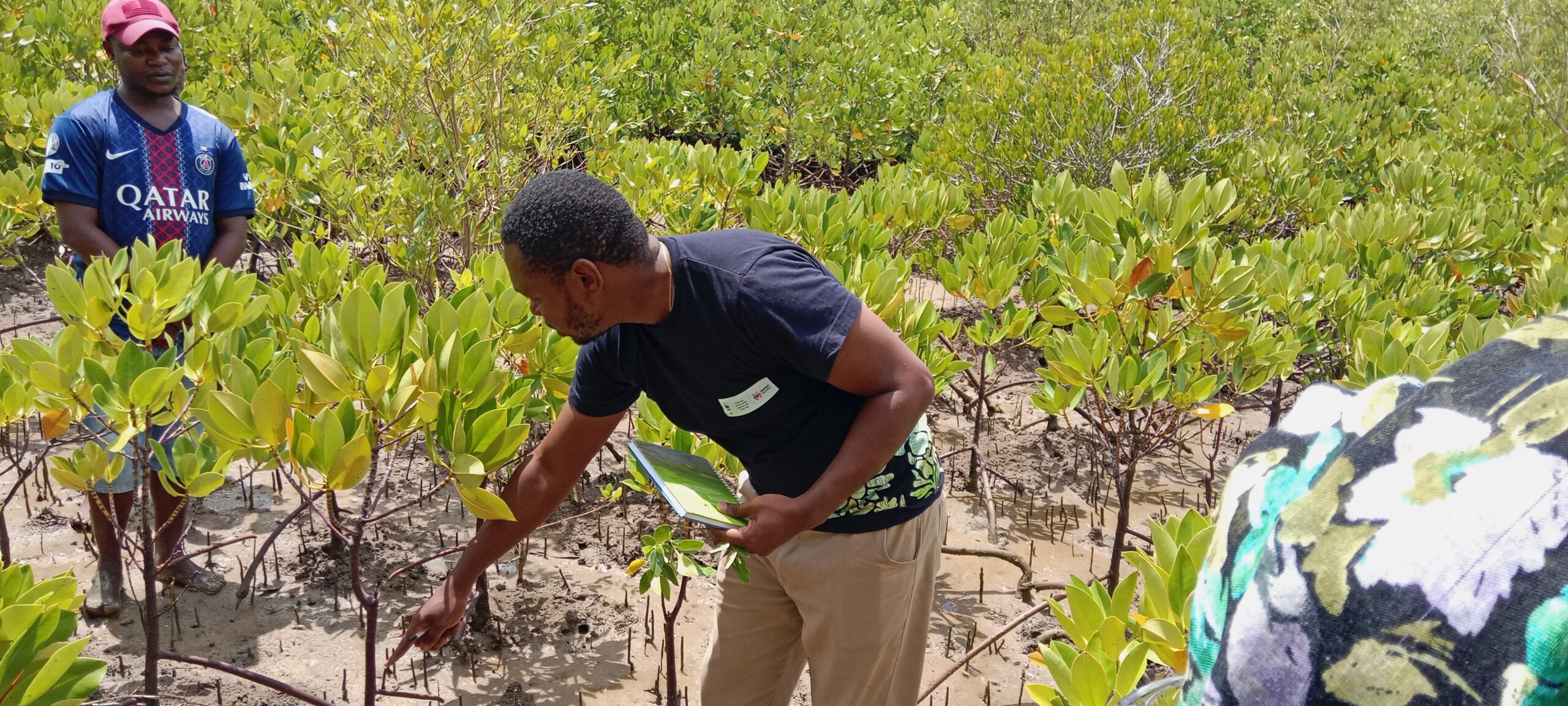
Climate change has introduced new challenges, including rising sea temperatures and diseases such as ice-ice syndrome, which can wipe out entire farms. To address this, he said KMFRI is developing climate-resilient seed strains, constructing deep-water nurseries through support of the KEMFSED project, and investing in real-time temperature monitoring systems, alongside establishing a mariculture hatchery at the National Mariculture Resource and Training Centre (NAMARET) in Shimoni.
Maina said research and development go hand in hand. “There are substantial gaps in knowledge about the ecological benefits of seaweed farming. When grown in the right places and with the right practices, seaweed aquaculture can have a net positive impact on the environment”.
Innovation and deep-water farming
One of the most promising innovations showcased at the workshop was deep-water seaweed farming using longlines, pioneered in Kenya by Mawimbi Ocean Innovation Ltd, a private-sector player operating near Faza Island in Lamu County.
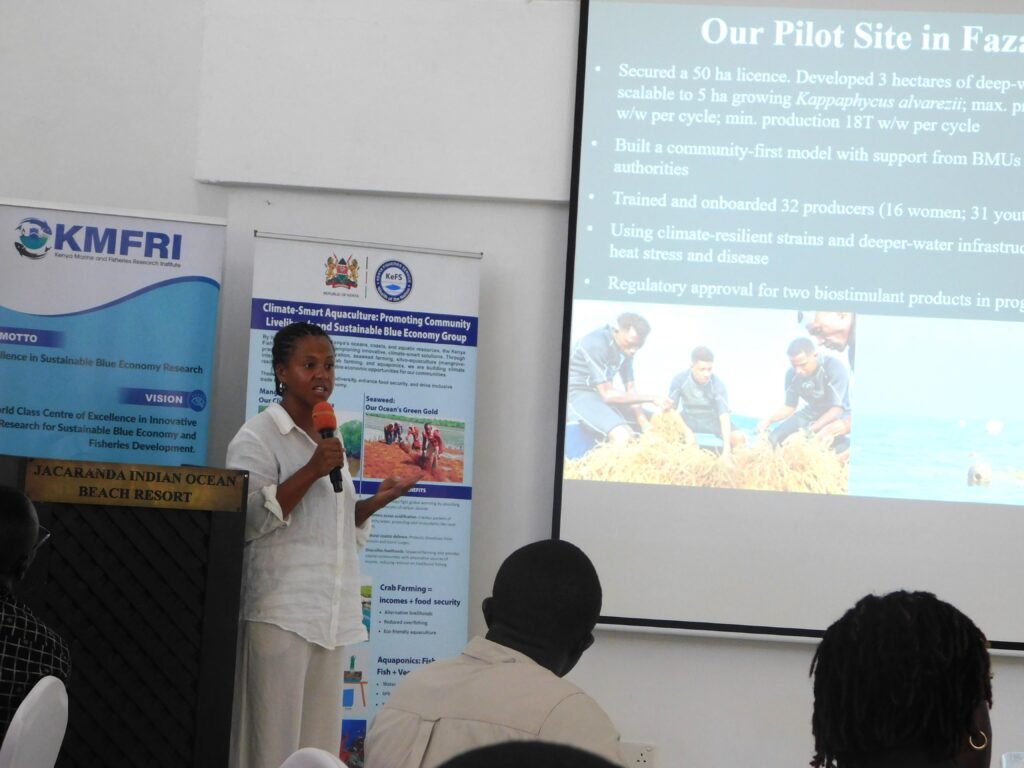
“Near-shore farming methods have not changed since the 1970s,” said Mawimbi co-founder Dr Fiona Wanjiku Moejes. “With climate change, rising temperatures, and disease, we needed to innovate.”
By moving farms into deeper, more temperature-stable waters, Mawimbi is cultivating Cottonii, a higher-value species not previously grown to a large extent in Kenya. Within three years, the company has established multiple hectares of farms, employed 26 full-time staff, and demonstrated that commercial-scale seaweed farming is viable in Kenya.
“Our goal is to show that seaweed can inject real money into coastal economies and attract serious investment,” Moejes said.
From raw exports to high-value products
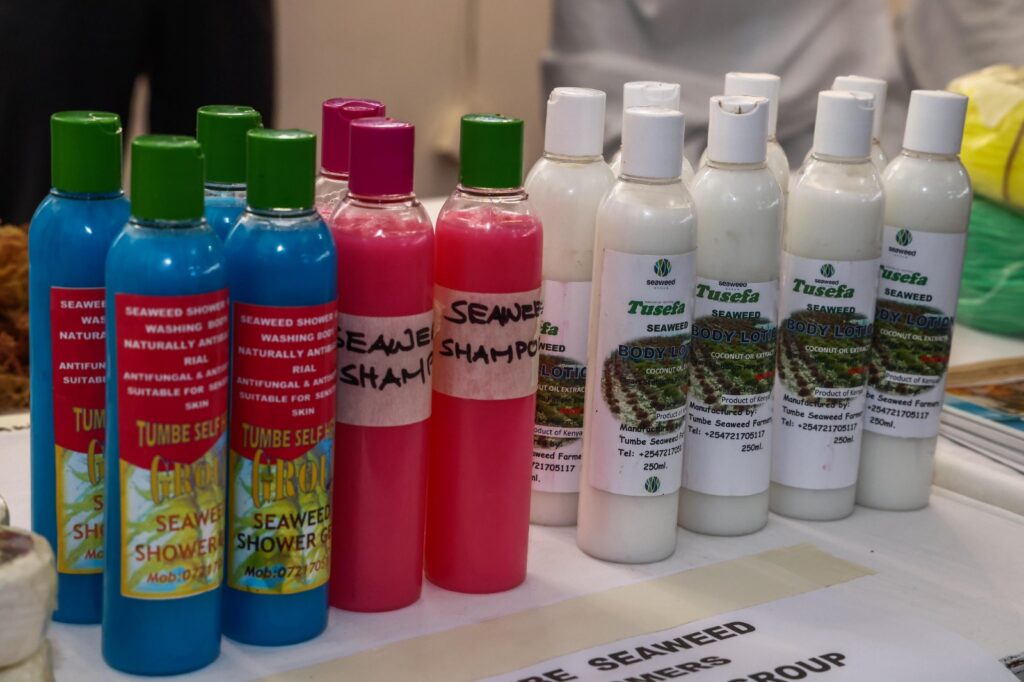
A recurring theme throughout the workshop was the urgent need for value addition. Kenya currently exports raw dried seaweed, while countries such as China, Indonesia, and the Philippines process it into carrageenan, a high-value extract used widely in food, cosmetics, pharmaceuticals, and industrial products.
“To set up a medium carrageenan plant, we need about 4,000 metric tonnes of seaweed,” the stakeholders noted, a target that requires coordinated scaling of production.
For farmers like Mwaziza Mwamtaka, Vice Chairperson of the Mtimbwani Seaweed Group, Abdalla Suleiman and Marinda Said Tsuma who represented the hundreds of seaweed producers at the workshop value addition represents the future.
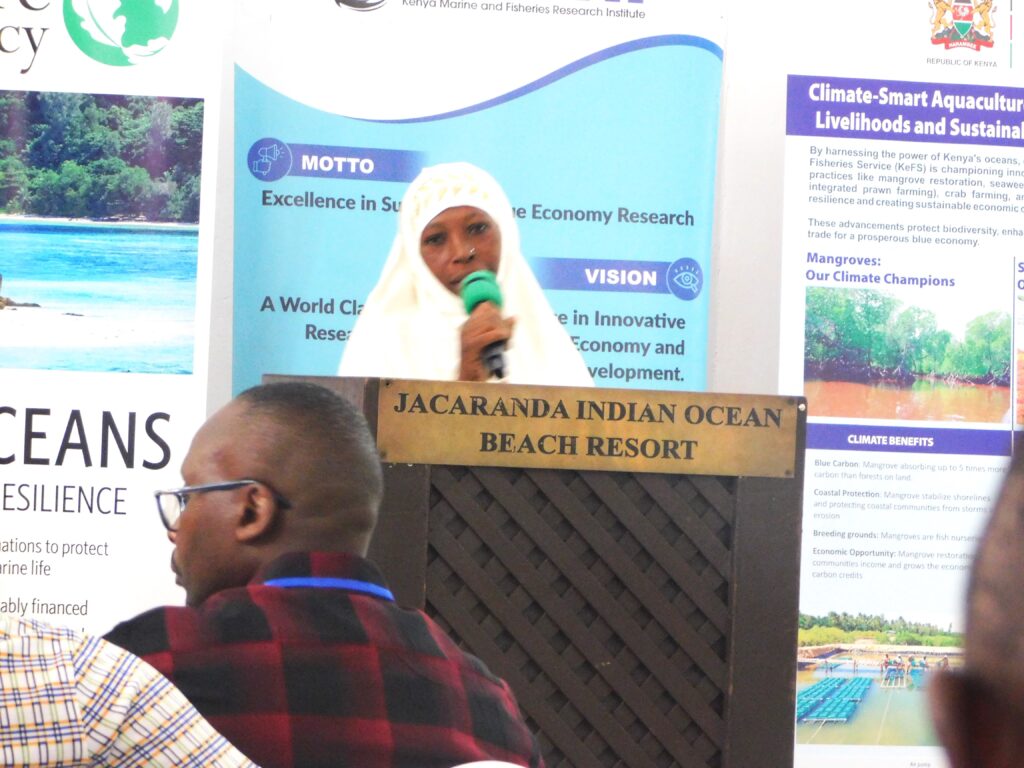
“Selling raw seaweed will never bring real wealth, “said Mwamtaka. “Products made from seaweed like soap and shampoo fetch good money. That is where the future lies.”
“I have learnt a lot from the national seaweed stakeholders meeting. Getting the opportunity to interact with different organizations has been a great experience. The information about other groups both from Kenya and Tanzania only goes to show how big the seaweed industry is. The success stories from mainland Tanzania, Zanzibar and Pemba is inspiring, something that we need to put in practice,” said Suleiman, a seaweed farmer from Kwale.
“I thank organizations like TNC for their immense contribution through training in the farms, exchange visit to Pemba and support like hiring a boat for us. Our biggest challenge was transport. Getting to the farms was difficult but TNC hired one for us. Plan International have bought one for us and we are expecting to receive it anytime,” said Mwamtaka.
Marinda from Amkeni Utamba Seaweed Group could not hide the joy in being part of the seaweed discourse and remains hopeful that the deliberations will change the fortunes.
“Seaweed farming is not easy and that explains why some of our members left along the way. Walking to and from the farms is not for the faint hearted but we do it because of the passion we have and also because of the income we get from selling it,” said Marinda.
Investors
Hope for a better future in the seaweed farming was kept alive throughout the workshop and one promising aspect was meeting face to face with international buyers. Indadi Setia, Director of Arsil Siregar, one of the leading seaweed processors from Indonesia got the opportunity to address the stakeholders. “We are here to look at the location for the warehouse for seaweed and discuss how we can buy and ship the product to Indonesia. There is a lot of potential from farmers in Kwale County and we are looking at ways of being part of this enterprise,” he said.
Koome McCourt, Gatsby Africa, Senior Programme Manager, Aquaculture, said one of the areas they have ventured into is that of seaweed. “We realized there is very high potential for growth and for the uplifting of the livelihoods of the coastal communities through the cultivation, production and export of seaweed.
“We are very lucky that we have been invited to the meeting. My impression is that there is huge potential, we estimate from the KEMFESD project that we have been engaged about 1,310 farmers grow seaweed in the country,” he said.
Koome further said; “There is potential to be resilient against the weather fluctuations through the use of improved infrastructure, skills and a much wider conversation on the transition of species currently. Kenya is predominantly growing Spinosum (Eucheuma denticulatum). It’s a good product but there could be a higher-value product we are seeing in Cotonii (Kappaphycus alvarezii).
“What we are seeing in Tanzania proves that Cotonii farming can be done and it’s something that can raise incomes because the price of cotonii in the global markets is three times that of Spinosum.”
Towards a coordinated national vision
As the workshop concluded, participants agreed that collaboration is the sector’s greatest strength and necessity. From aligning policies and spatial plans, to investing in research, seed systems, processing facilities, and market access, the path forward requires collective action.
“Science, policy, private investment, and community voices must move together,” George Maina emphasized. “If we get this right, seaweed farming can deliver livelihoods, healthy ecosystems, and climate solutions at scale.”