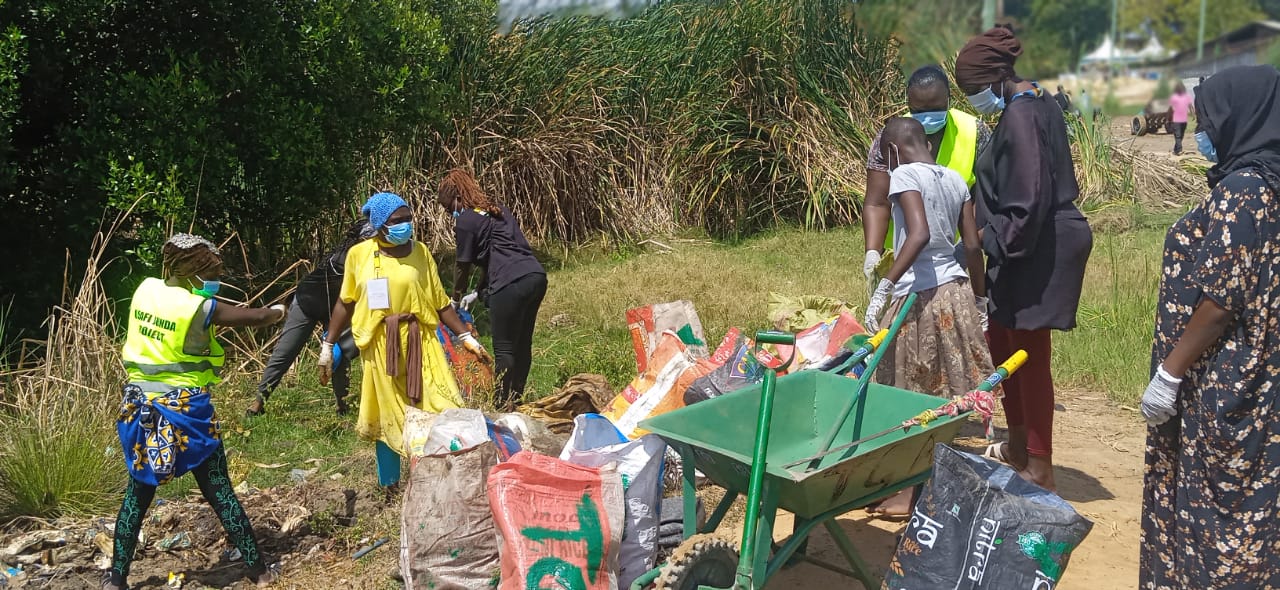
Members of Junda Kasarani Reform (JKR) join residents in a clean-up exercise in Junda Kasarani to mark Mazingira Day| Photo Susan Titus
The sun rose gently over Junda Kasarani, glinting off the hands of young men and women already hard at work. Collecting waste, sorting plastics, and laughing through the morning breeze. What began as a small dream among a few determined youth has blossomed into a movement of unity and hope. On Mazingira Day, the Junda Kasarani Reform (JKR) community in partnership with Hand in Hand East Africa, Talanta ni kazi (Usafi Junda Project),Green Peace Achievers, County Government of Mombasa, Media For Nature and local youth Groups came together to clean, plant, and prove that when people believe in their land, change truly begins to grow.
“We started as a few young men who just wanted to see change in our village,” says Ali Malusha, one of the founding members of Junda Kasarani Reform (JKR) CBO. “But we soon realized that dreams alone can’t move a community. It takes everyone, especially women, to make progress possible.”
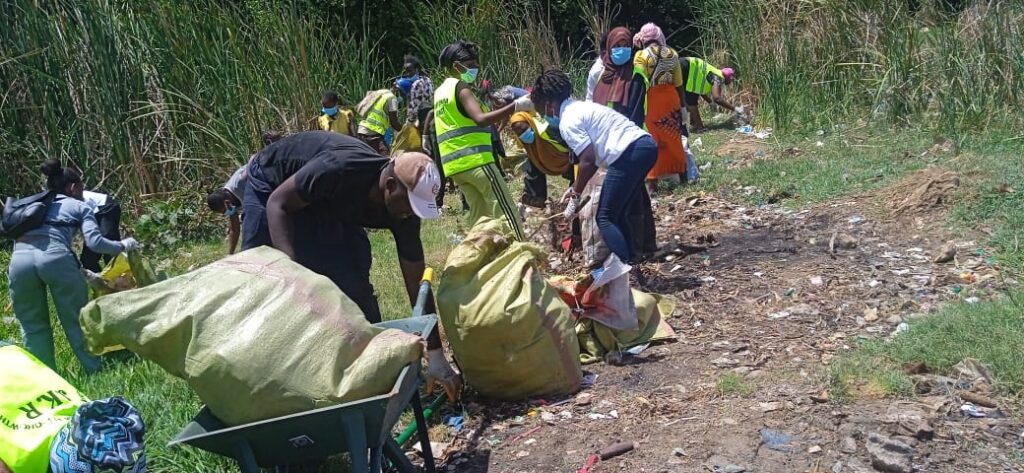
Those words set the tone for the year’s Mazingira Day celebrations at Junda Kasarani. Gloves on, sacks open, and laughter ringing through the dusty streets, members of JKR, together with community volunteers, began the day with a massive clean-up.
Plastics were gathered in one pile, pampers in another, and nylon separated neatly. With an aim to show people that cleaning up is not just about collecting garbage, but learning how to manage it.
By midday, heaps of sorted waste filled the roadside with each pile telling a story of care, effort, and awareness. Sophia Omar one of the early members of JKR explains ‘’When we collect waste, we also collect lessons, it shows us how much we consume, how much we waste, and what we can do differently.”
Moureen Kabungu, from Hand in Hand East Africa, shared her admiration for the young people’s initiative. “What JKR is doing is exactly what we mean by sustainable community empowerment,” she said. “They are not waiting for outsiders they are leading change from within.”
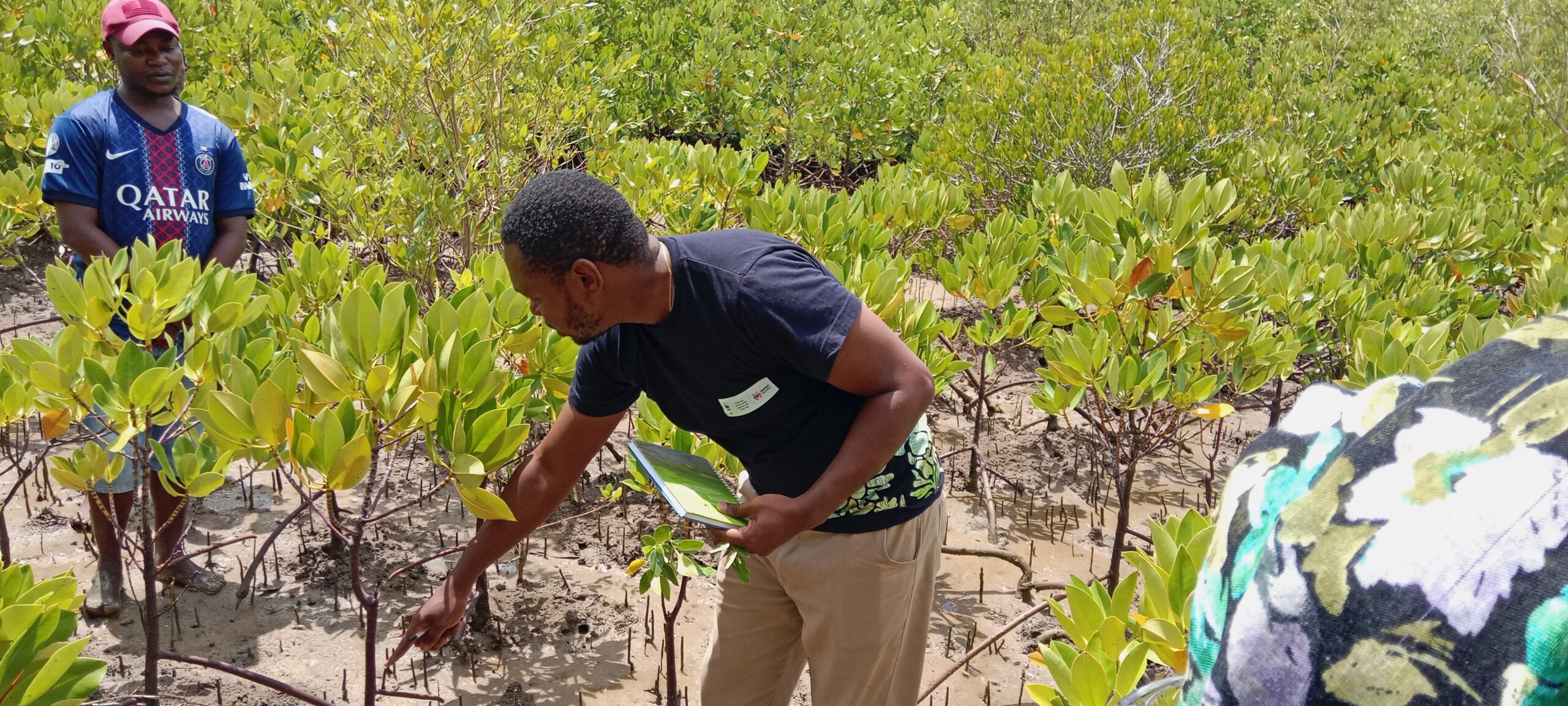
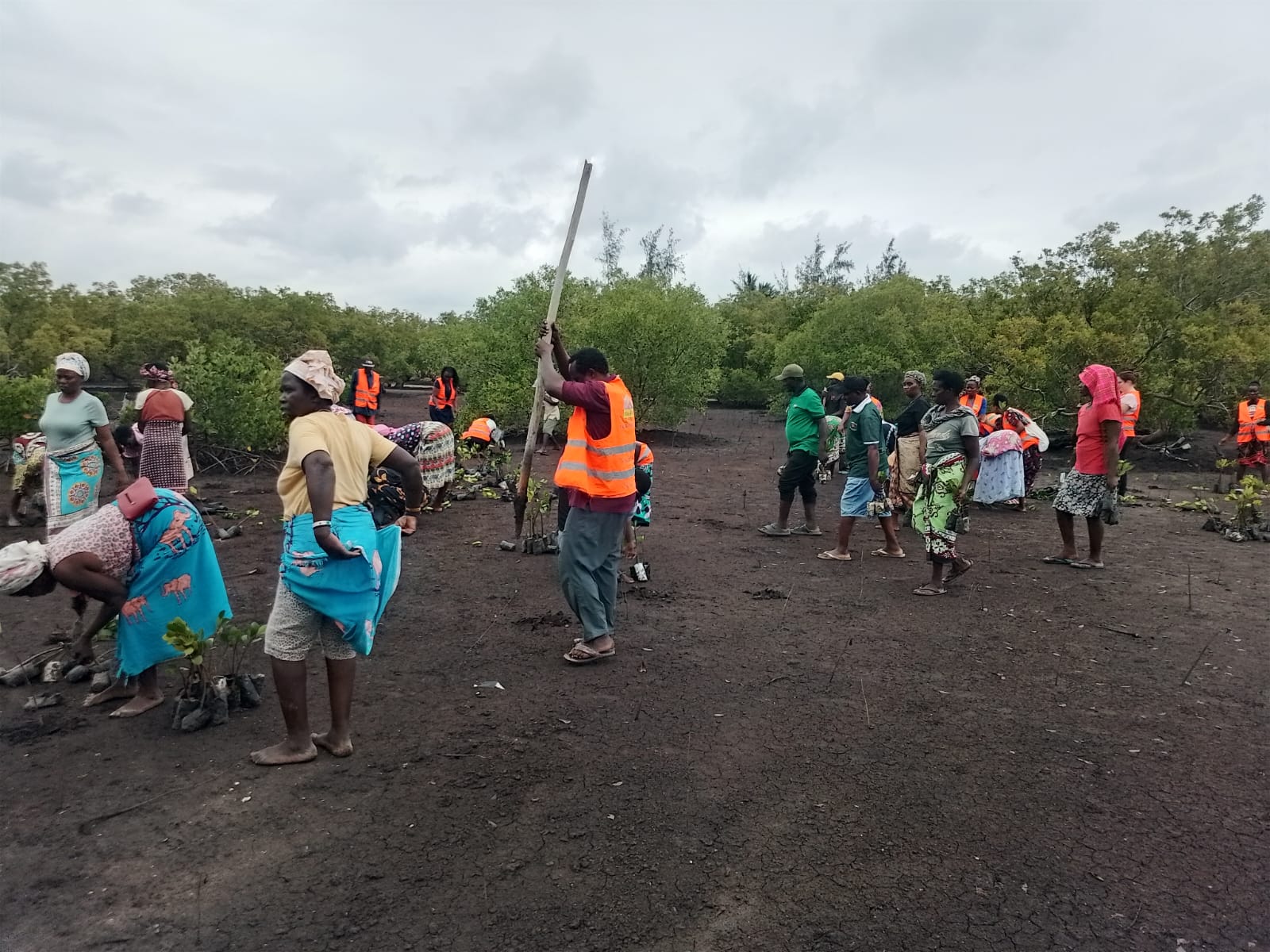
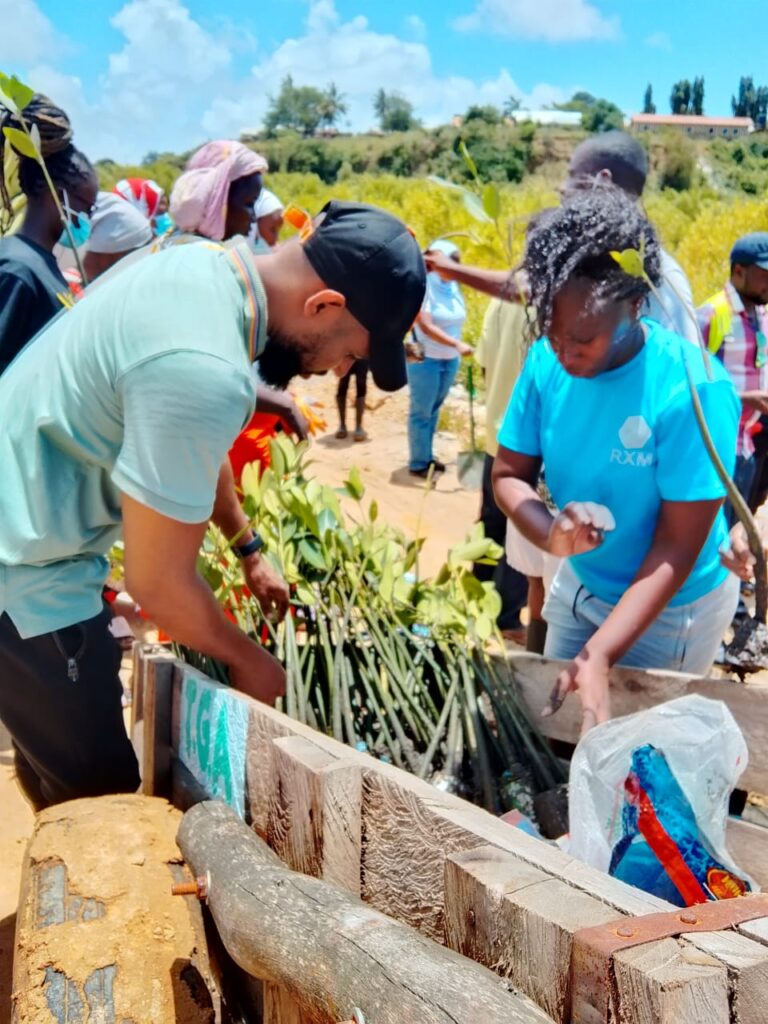
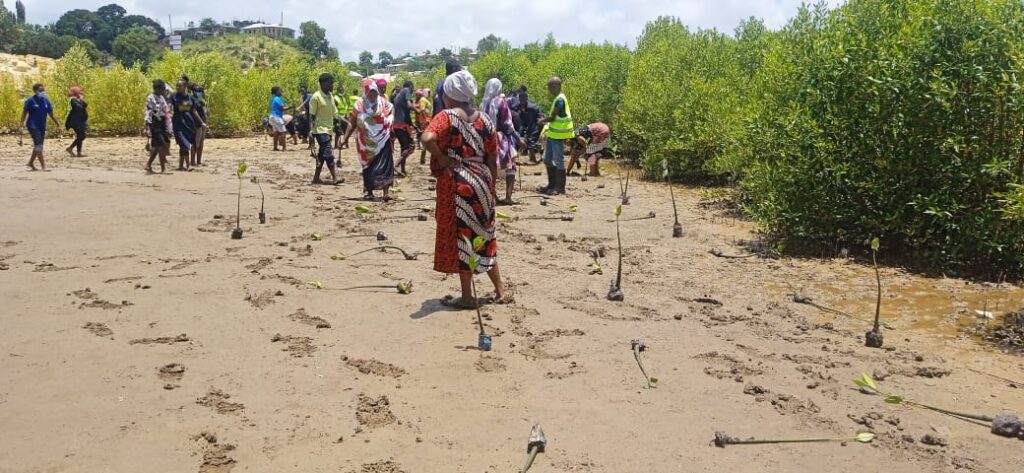
After the clean-up, the participants gathered at a tent for the second activity of the day that is mangrove planting. With muddy shoes, they planted around 150 mangrove trees, one by one, their roots sinking deep into the wet soil.
“These trees are our future,” said Victor Opondo, one of the founders of JKR, gently pressing soil around a seedling. “We may not be here to see them grow tall, but our children will. That’s what keeps us going.”
Among the groups present was Talanta ni Kazi, supervised by Mwanaidi Kada, a young leader passionate about using creativity to tackle social issues. “Our youth have talent and that talent can be used to make a difference,” Mwanaidi shared. “We use art, music, and innovation to show that waste isn’t just rubbish; it’s an opportunity.”
Through their initiative, Talanta ni Kazi collaborates with local groups like JKR to train young people on recycling, innovation, and entrepreneurship. “We want them to see that the environment can also create jobs that is how we change the story,” she added.
Even as they celebrated success, the JKR members acknowledged their struggles. Ali Malusha says that they face many challenges like lack of resources, limited support, and sometimes people’s attitudes toward change.
Despite that, the group has remained consistent. They have written proposals, partnered with organizations, and sought training opportunities to strengthen their work. Their resilience has attracted partnerships that bring hope, not just to Junda, but to neighbouring communities inspired by their story.
‘’Sometimes people think environmental work is only for big NGOs or the government,” says Opondo. “But we’ve learned that even small actions can transform a place when people believe in them.
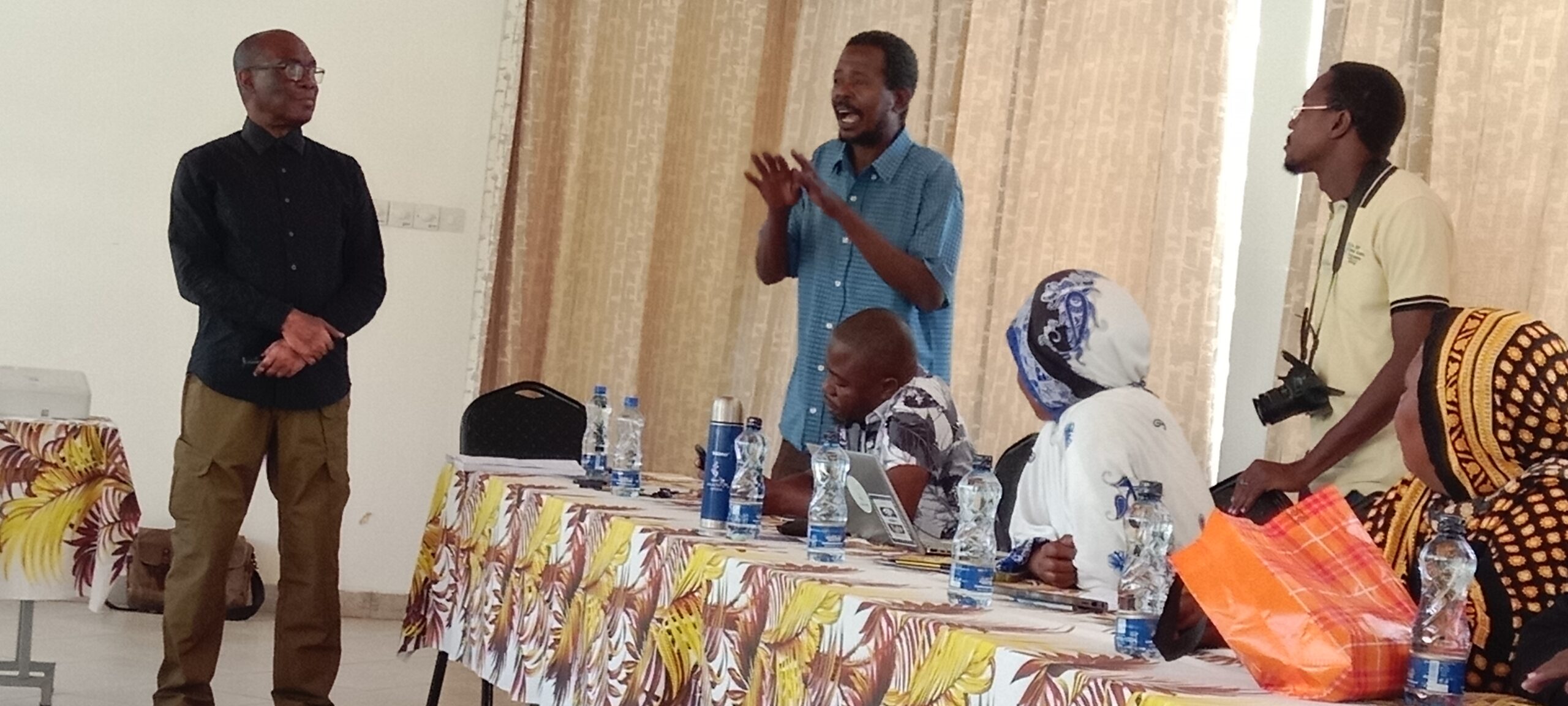
By late afternoon, the clean-up was done, the mangrove saplings stood tall, and the participants gathered for a short reflection.
“This day was special,” said Sophia Omar. “I saw young men and women working together, something we once thought was impossible. This is what community looks like’’.
According to Malusha who is the treasurer at JKR, vision doesn’t stop at clean-ups and tree planting. The group plans to expand their waste management program, start training schools on environmental care, and introduce creative ways to recycle materials into useful products. They hope in few years to come they will have developed into a big company. Giving out loans to the community and standing for their own. They are also working on a mentorship program for young people especially to guide boys and girls away from drug use and unemployment.
With this year’s JKR theme Misitu safi! Mazingira safi! Bahari safi,Junda safi! Jukumu letu! The day was not just a date on the calendar, for JKR, it was a celebration of what’s possible when people believe in their community, trust each other, and act together.