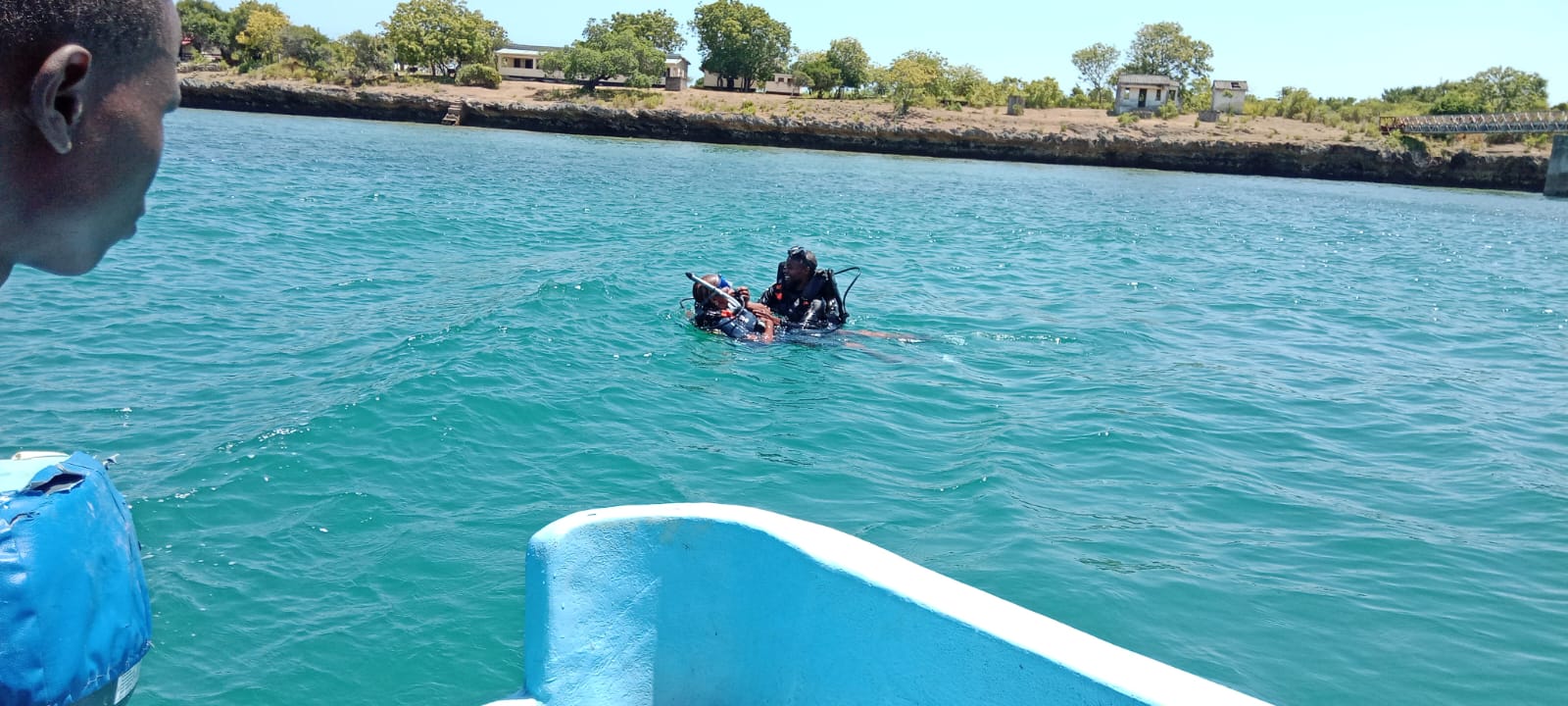
Nancy Chege, SGP GEF National Coordinator being assisted by a member of the Shimoni Turtle Watch to dive in Shimoni during a monitoring tour of the Shimoni-Vanga Seascape|Photo by Mazera Ndurya
A dive into the turquoise waters of the ocean in Jimbo at the border between Kenya and Tanzania was pure bliss watching and marveling at the beauty that lies underneath.
From young artists spreading messages of change to women entrepreneurs leading community enterprises, the seascape is alive with possibility. The coral reefs and seagrass beds once declining are showing signs of recovery, and the people who depend on them are rediscovering hope.
“I had the opportunity to do diving, do snorkeling and view these resources and I must say the seagrass meadows are expansive and well protected.
“I think it’s interesting to see that our Beach Management Units (BMUs) are looking for ways to protect these resources,” said Nancy Chege the National Coordinator for the GEF Small Grants Programme.
Moving round and monitoring the 11 projects under the Global Environment Facility (GEF) 7 Small Grants Programme and funded by the United Nations Development Programme (UNDP), one gets an awesome feel of ownership by the community.
Jimbo BMU asked for funds from the GEF 7 for the conservation of seagrass with the aim of increasing fish stocks, to improve community tourism. Jimbo Project Implementation Committee Chairperson Mwambiza Tuweni says, “One of the reason we chose the conservation of seagrass is to improve community tourism.
There are seven species of seagrass and seven types of corals that are not found in Kisite Mpunguti Marine Protected Area (MPA).
“We saw it fit to start this closure. There is also a biodiversity that we can use to harness the blue carbon just like the Vanga Blue Forest but for us we saw the opportunity in tapping carbon from seagrass meadows. This year, through the VBF we will receive validators who will come to assess our project and probably from next year we will start earning from Payment for Ecosystem Services,” says Tuweni.
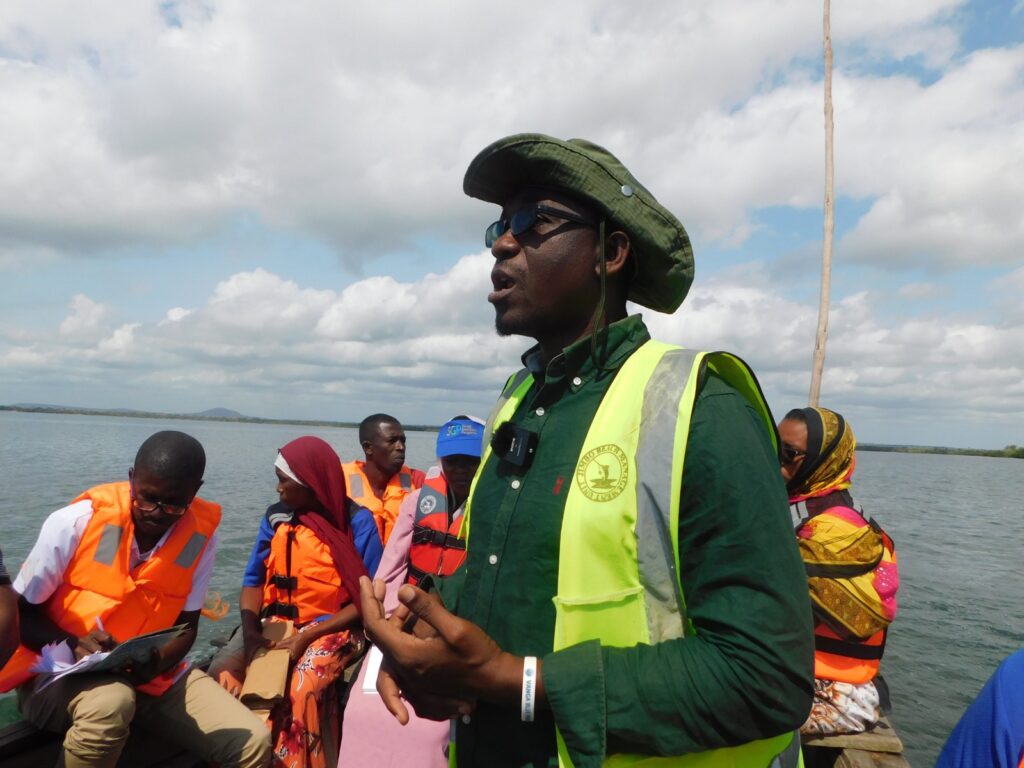
The excitement and the command from community members in expounding their project goals is inspiring.
This is happening in Kenya’s South Coast near the Tanzanian border where a quiet transformation is taking place, changing lives steadily while safeguarding a critical ecosystem that faces several threats.
The azure blue waters of Shimoni-Vanga, threatened by unsustainable fishing and climate pressures, are becoming a model of community-led conservation working to reclaim the glory and prosperity. Here, local women, youth, and fishermen are proving that when people take ownership of their natural resources, both livelihoods and ecosystems can thrive.
Since its establishment in 1992 during the Rio Earth Summit, the GEF SGP has supported thousands of grassroots projects in 127 countries. In Kenya, where the programme was launched in 1993, more than 500 projects have received funding to help local communities protect their environment while improving their livelihoods.
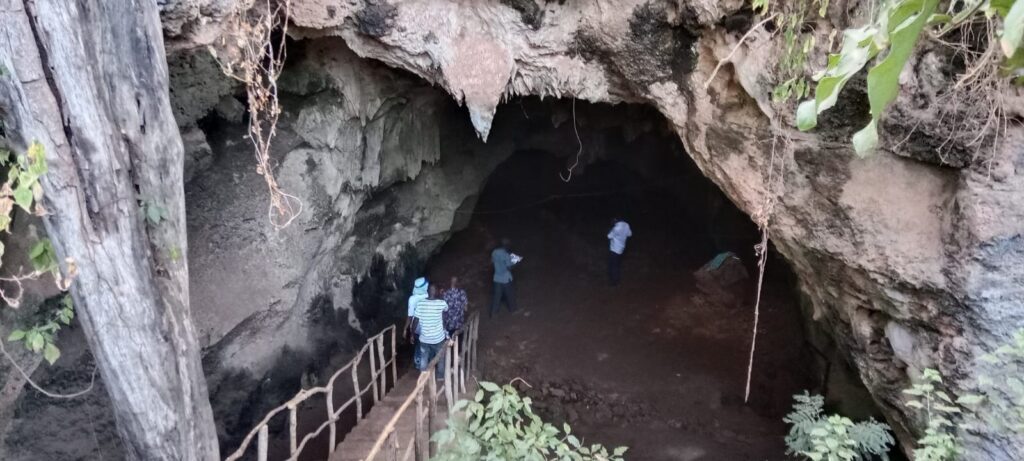
According to Nancy, who was on a tour of the Shimoni-vanga seascape recently to monitor the progress of the implementation, the current phase is taking a more strategic “landscape-seascape approach.”
“Instead of scattered projects, the focus is on clustering efforts around ecologically significant areas. In Kenya, these include the Shimoni-Vanga Seascape in Kwale County, the Lake Baringo–Lake Bogoria Landscape, and the Samburu-Isiolo Conservation Area (SICA).
“In the Shimoni-Vanga seascape alone, we have 11 projects, including the strategic partner, all contributing towards better management of marine and coastal resources,” Nancy explains. “It’s encouraging to see a mix of projects led by youth, women, and Beach Management Units (BMUs) displaying much excitement and true ownership from the communities.”
One game changing project that is being funded by the SGP GEF 7 is the rehabilitation of the Ramisi River, a critical ecosystem in Kwale County, Kenya, known for its dense mangrove forests, abundant birdlife, and Nile crocodiles, flowing into Funzi Bay and near the town of Ramisi. According to the grantee the Pongwe-Kidimu Community Forest Association (POKICOFA), the river that has been supporting livelihoods in a number of ways including agriculture and fishing has been degraded, a situation that has seen massive flooding destroying crops and the estuary.
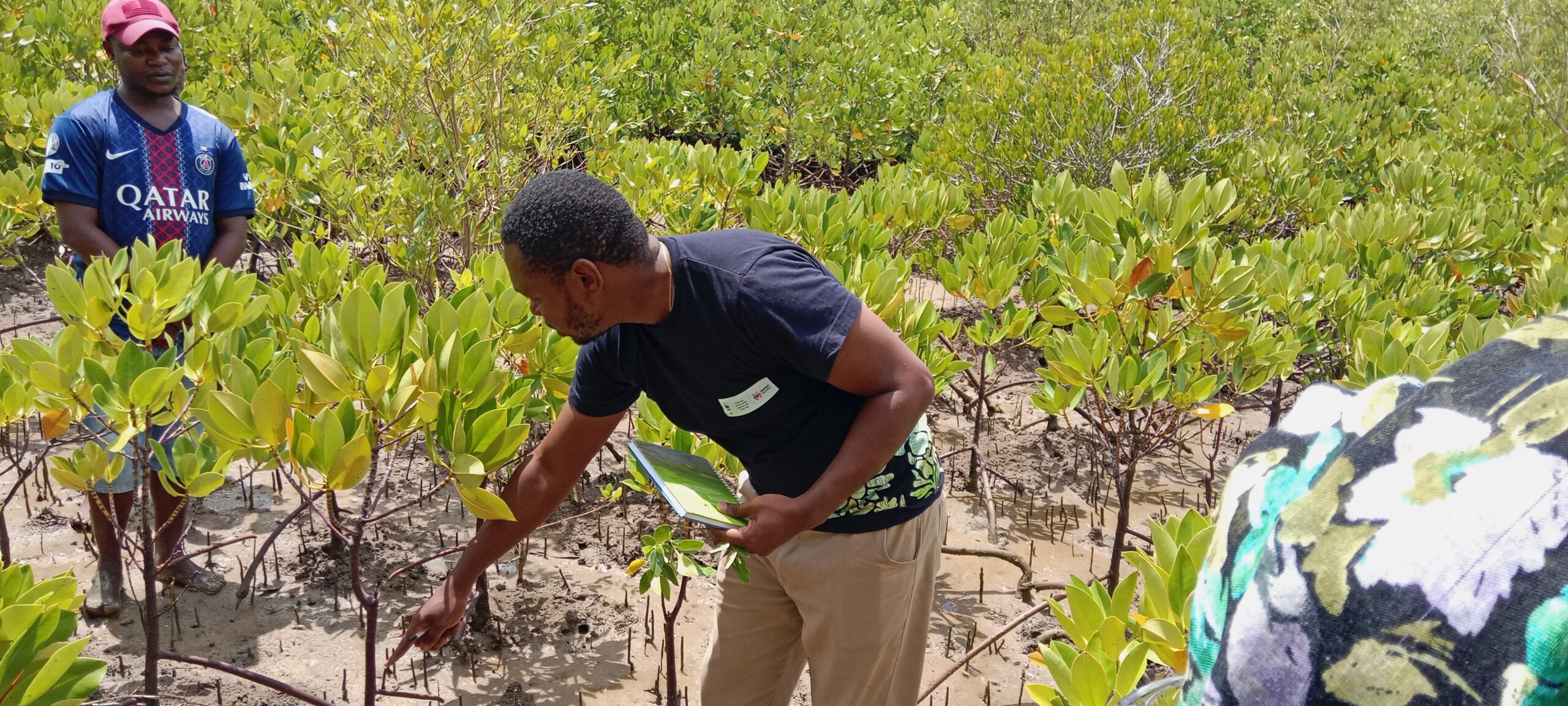
POKICOFA Chairperson Mshemanga Hamisi, said the association received funding from the UNDP GEF SGP project to implement river bank protection along River Ramisi. “We intend to rehabilitate the riparian area by planting bamboo, pod mahogany, fruit trees and other trees or vegetation friendly to water use,” he said.
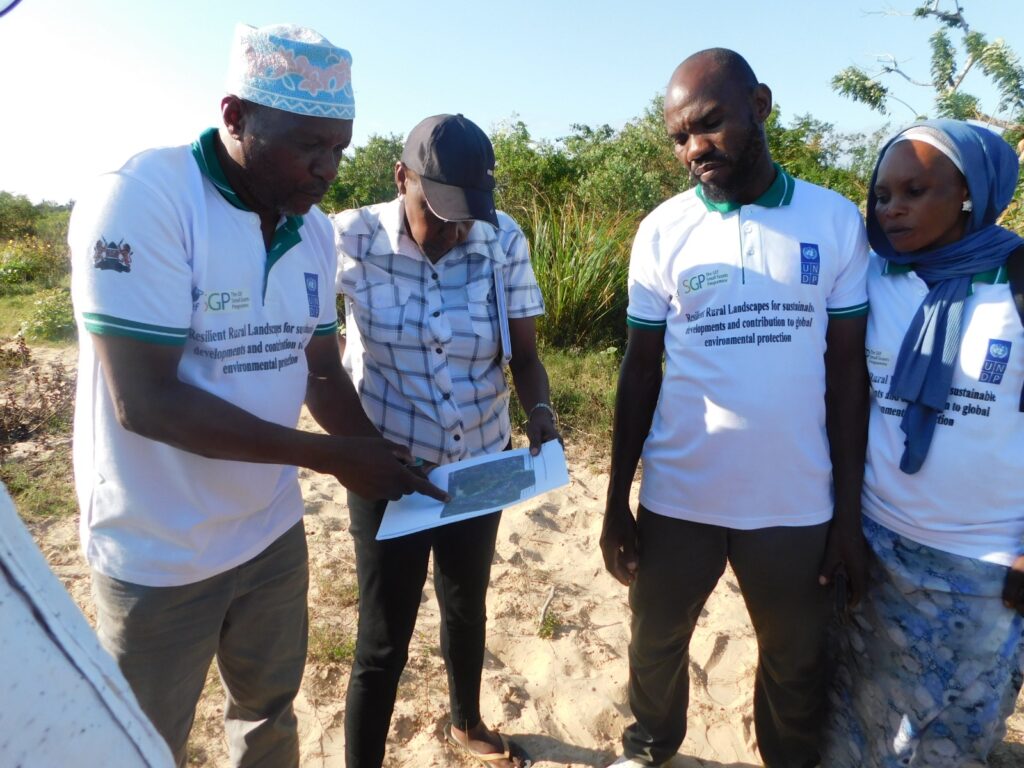
With the support from the Water Resources Authority (WRA), the association has done marking and pegging of the reserve of River Ramisi to enable them rehabilitate the riparian which is about 9 kilometres long (4.5 kilometres from each side of the river).
The project’s impact is already being felt by the community. Mshemanga says several community groups have been tasked to start nurseries for thousands of indigenous and fruit trees that will be bought for planting in the riparian area.
Community Movement
The projects, which began rolling out in 2024, have already received their first tranche of funding about 30 percent of their total grants, ranging between KSh 1.5 million and KSh 3 million each.
In Shimoni-Vanga, four of the groups supported under the GEF 7 are BMUs Jimbo, Vanga, Mkunguni and Wasini have established marine closures known locally as tengefu to protect sensitive ecosystems such as coral reefs and seagrass meadows. These closures, managed by fishers themselves, are restoring fish breeding grounds and improving catches. The BMUs are also working with the County Fisheries Office, Kenya Forest Service, and Kenya Wildlife Service to strengthen conservation while aligning their work with county development plans.
“Although some BMUs have a few challenges, they are making every effort to ensure that they are protecting the fisheries by using fishing nets that are not destructive. In fact there is one group, Vanga BMU, which is looking at using the Malema – the traditional fishing baskets that do not destroy the corals and has a big enough mesh size to allow the smaller fish to escape.
“One striking observation is that the BMUs are exploring opportunities in blue carbon trading through the protection of seagrass meadows and mangrove forests, which are powerful carbon sinks.
“We want to see how communities can benefit from emerging carbon markets while conserving these vital habitats,” Nancy says.
Empowering Youth and Women
The youths in the Shimoni-Vanga seascape have come out in their element, crafting projects that are unique rallying communities to embrace conservation. From music, poetry, song, dance to diving and protecting one of the most endangered species- the sea turtle, the young people have been engaged fully- an inspiring aspect of the programme.
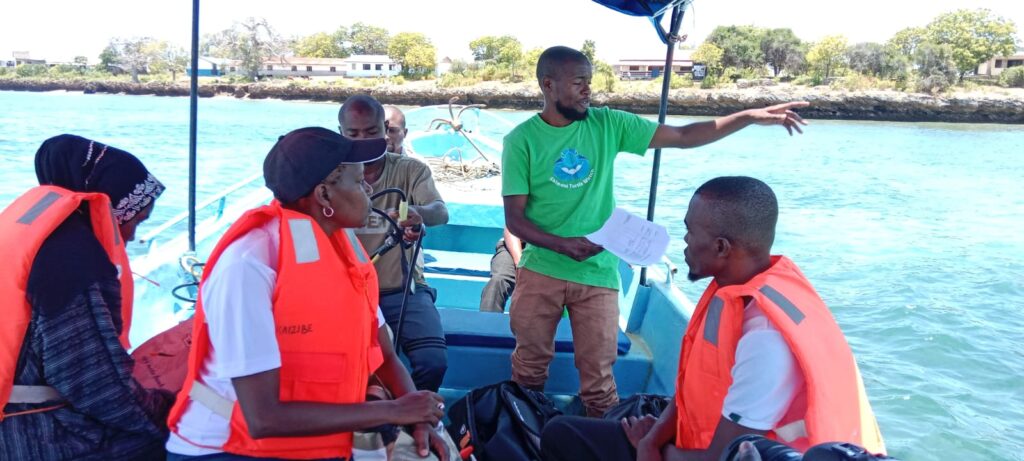
In Vanga, the youths are using creative approaches to communicate environmental messages through theatre, dance, and poetry to raise awareness about marine conservation. Mchongo Vanga group is combining art and conservation, creating murals and performances live and recorded on video to be posted on YouTube and other social media platforms to advocate for climate action while generating income from it.
In Shimoni, another youth group the Shimoni Turtle Watch, comprising mainly university graduates in various fields has been educating school children about protecting endangered sea turtles and working with fishers to promote non-destructive fishing practices. They also collaborate with the Kenya Wildlife Service to report injured or stranded turtles.
Omar Salim Mbwana, Shimoni Turtle Watch Project Lead says they have committed themselves to protecting the turtles. “The community needs to be educated to be part of this campaign to protect the sea turtles especially on the use of harmful fishing gear and plastic that continue to endanger the sea creatures.
“We also have school programmes taking the messages to the children who have become our ambassadors in the campaign to protect sea turtles,” says Omar.
“It’s exciting to see youth taking ownership of conservation through innovation,” says Nancy. “We’d like to see them even more involved in leadership and project implementation. The goal is to ensure skills and knowledge are passed on to the next generation.”
One aspect that stands out is their mentorship initiative taking through volunteer young men and women to learn diving skills, in a move aimed at increasing the number of divers in their turtle watch campaign.
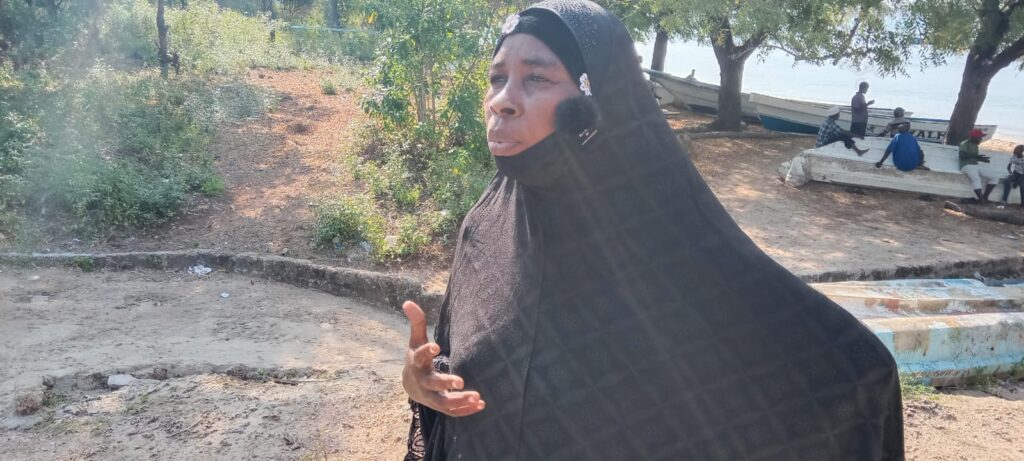
From taking leadership roles in various positions within the BMUs, women have demonstrated that if given the opportunity, they too can be part of the wider conservation agenda.
Women are also stepping up as leaders and entrepreneurs. Groups such as Tunusuru Women Group in Msambweni are redefining what rural women can achieve. Despite limited formal education, the group has organized themselves into a registered company, secured tenders from the Kwale County Government. They have collaborated with Colobus Conservation to protect biodiversity in their area through transformative activities like running mangrove nurseries, restoration of degraded areas and undertaking a successful beekeeping project.
Tunusuru Women Group Chairlady Mwanadiwani Yusuf says the success of their group is anchored on hard work and the desire for prosperity while safeguarding natural resources surrounding them.
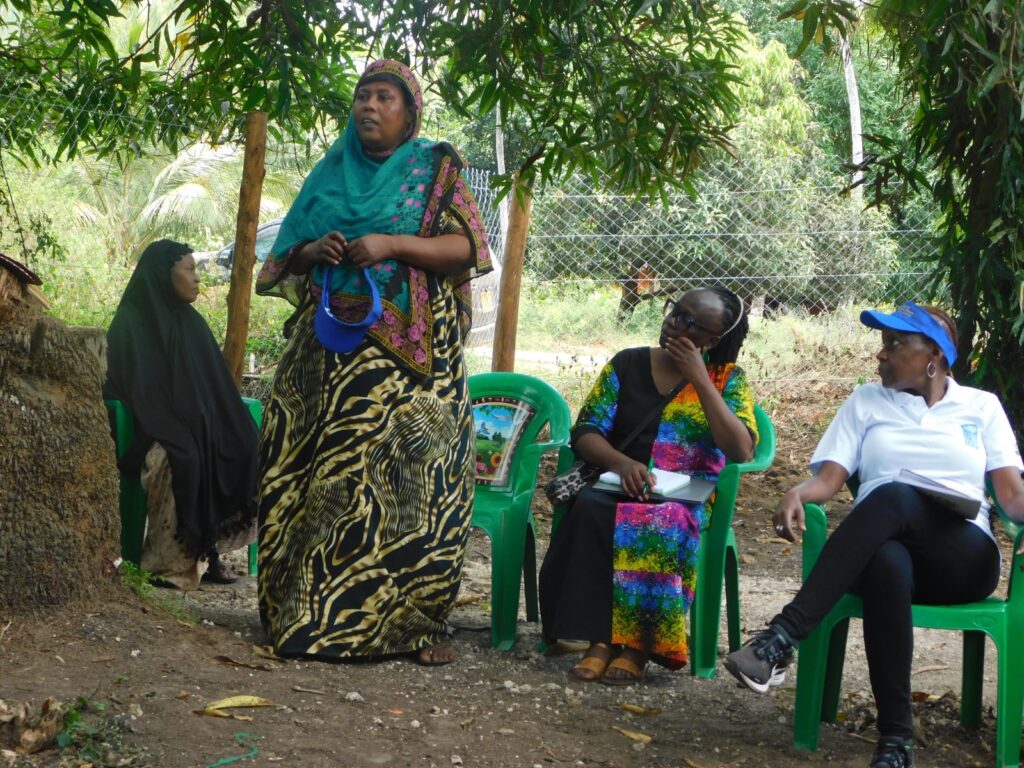
“We started with planting tree nurseries and clean ups collecting 6 tons of waste winning a prize from Base Titanium, the company that had sponsored the exercise before venturing into beekeeping, a project that is still ongoing,” she says.
The group which runs a company has gone a notch higher with the opening of a website to promote their various activities.
Their story is a testament to how empowerment and environmental stewardship go hand in hand.
“When natural resources are degraded, its women who suffer the most,” notes Nancy. “That’s why gender mainstreaming in these projects is critical not just participation, but real co-ownership.”
Strategic Partners
The Community Action for Nature Conservation (CANCO) is the strategic partner for the Shimoni-Vanga and Bodo-Mwandamu seascapes.
According to Richard Bemaronda, Project Manager at CANCO, their role includes community sensitization, technical guidance, and coordination with local governments and agencies.
Before funding was disbursed, CANCO organized stakeholder meetings to ensure communities understood the focus areas for GEF support,especially climate change adaptation, biodiversity conservation, and sustainable fisheries. More than 80 groups applied, and 11 were selected for funding under GEF 7.
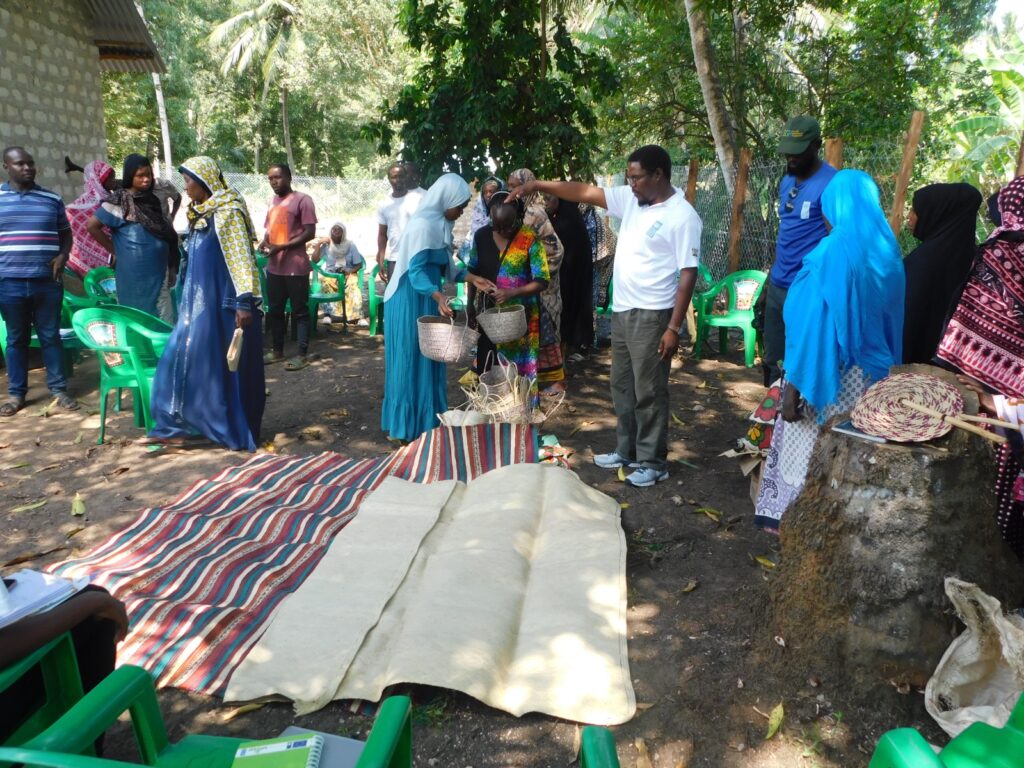
“Our role is to help groups develop impactful, sustainable projects,” Bemaronda explains. “Most of the projects focus on restoring marine ecosystems including seagrass meadows, corals and building local capacity to manage resources sustainably.”
From past experience under GEF 6, these community initiatives have shown tangible results. In Mkwiro, for instance, a previous project successfully restored fish breeding grounds, improving catches and incomes. The momentum continues under GEF 7, with a strong emphasis on integrating conservation into local development.
Bemaronda acknowledges that some groups face challenges especially around governance, coordination and external disruptions such as elections, but adds that about 60 percent of the current projects are on track.
He says ongoing capacity-building sessions are helping groups strengthen transparency and accountability.
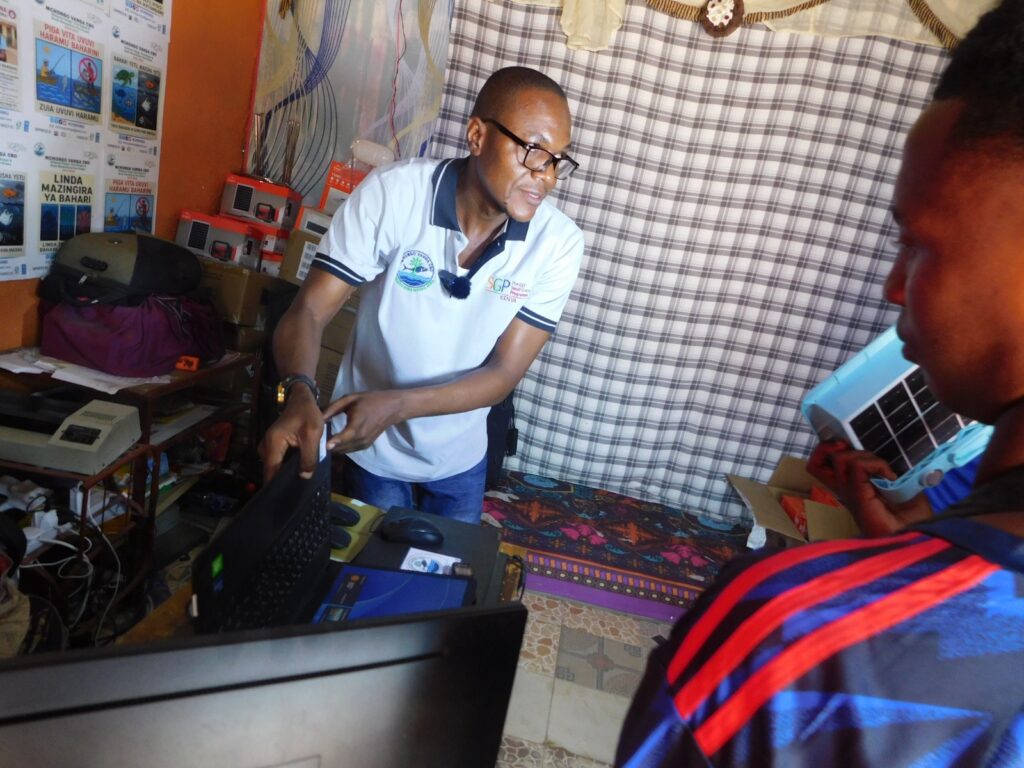
“These are small grants, but their value goes beyond the money as they catalyze community-driven solutions that can continue long after the donors exit,” he says.