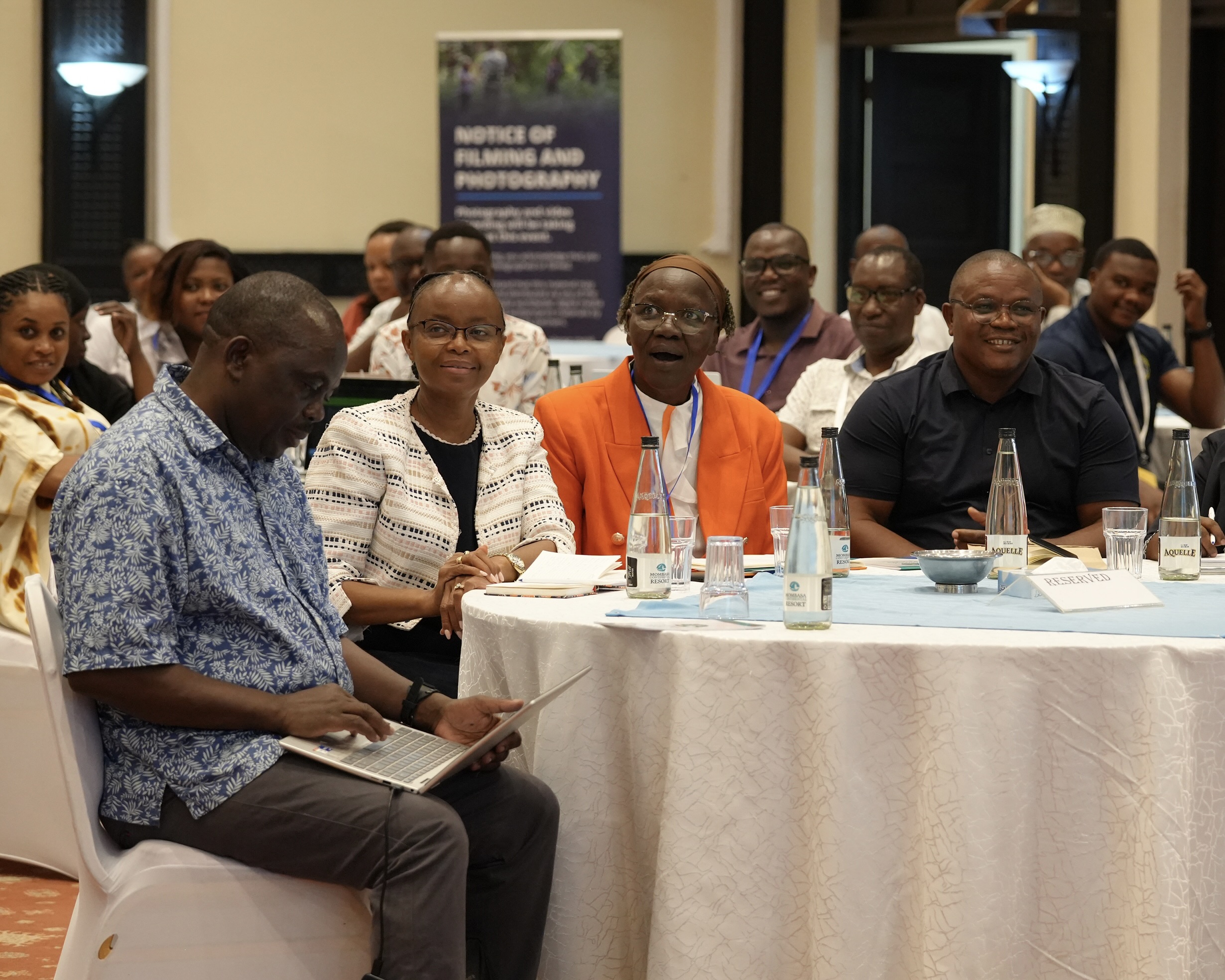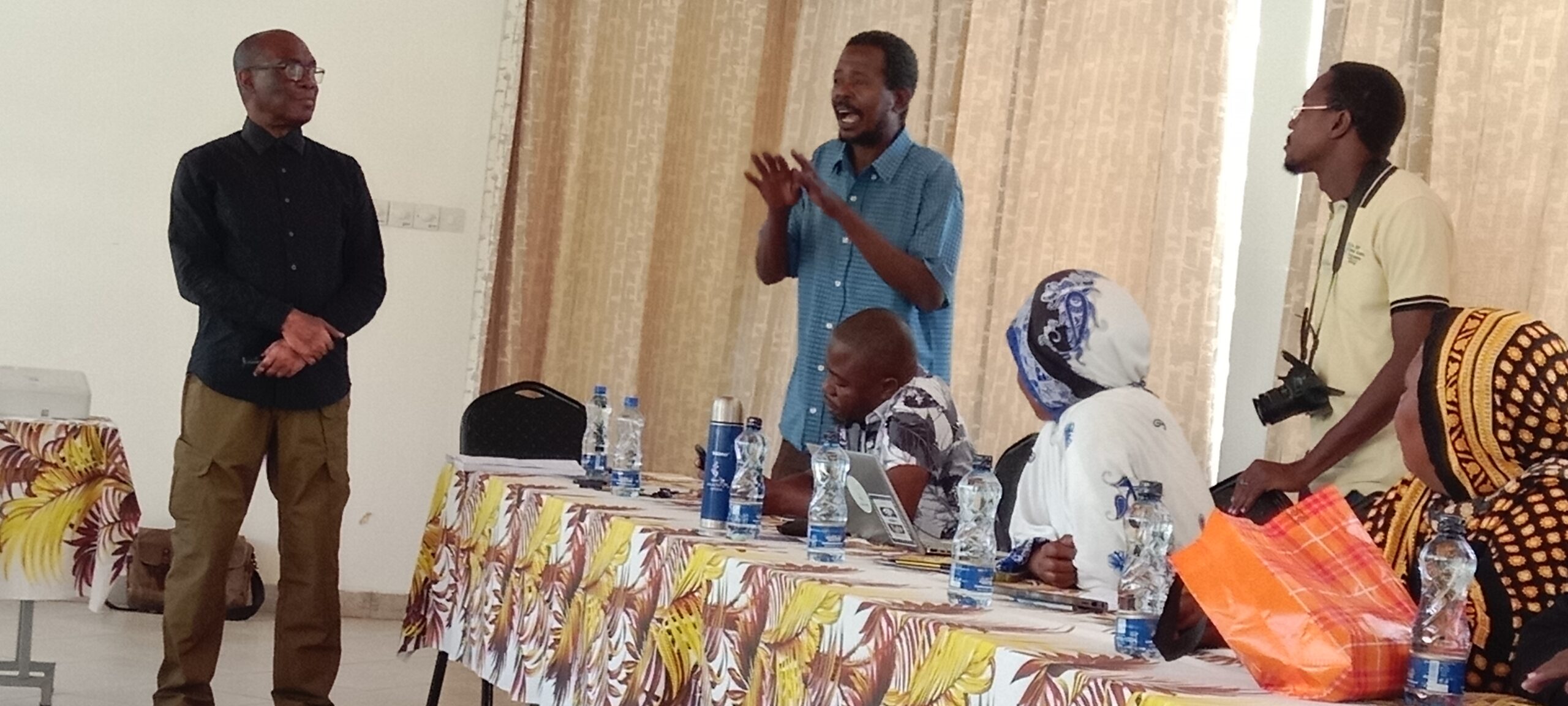
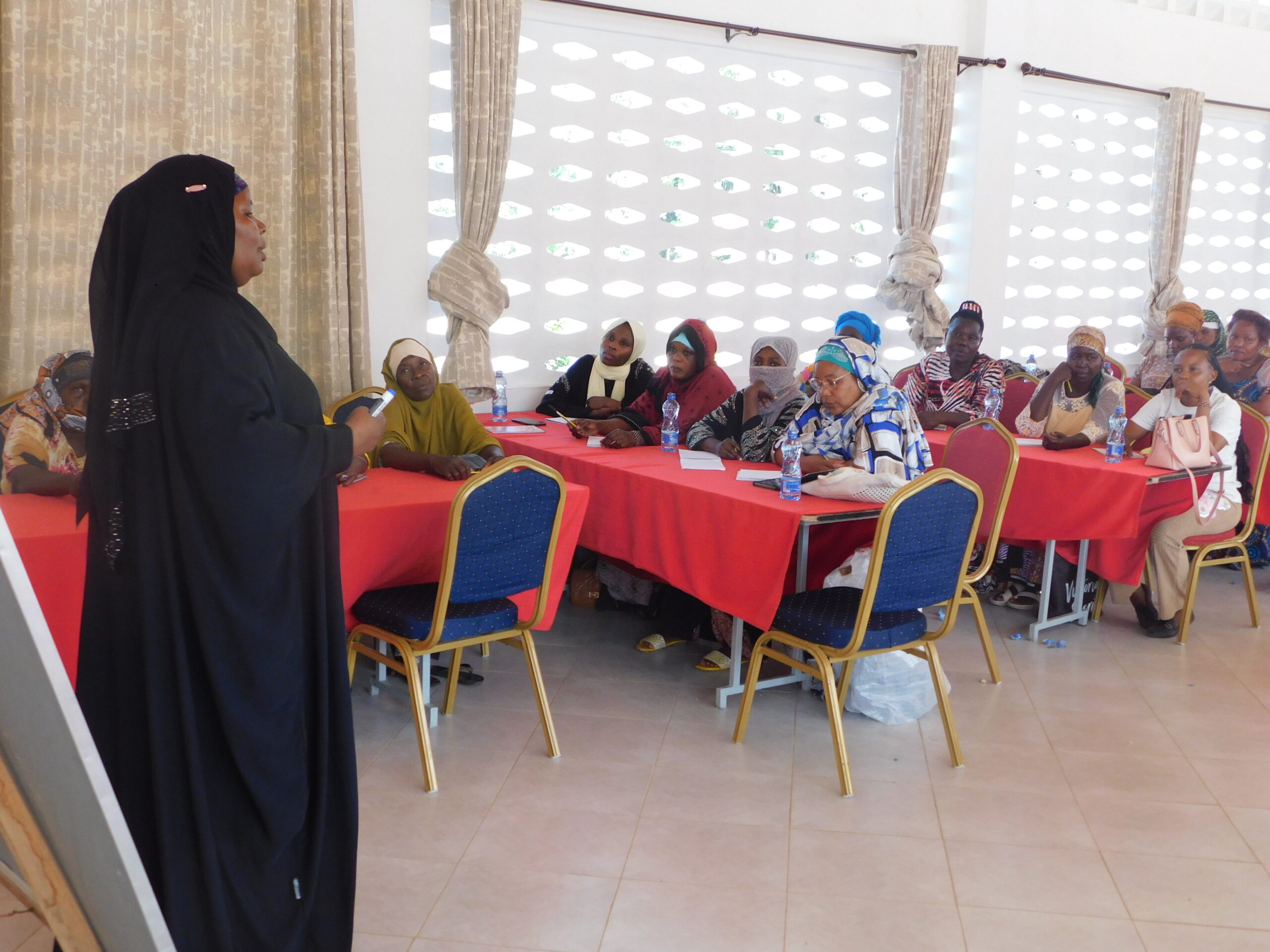
The Director of Coast Women in Fisheries Enterprises (CWIFE) Mercy Mghanga facilitating at the training on financial management for women in fisheries from Kwale and Taita Taveta Counties in Msambweni. The training organized by CANCO brought trainers from Equity Bank Group through the Equity Foundation |Photo by Mazera Ndurya
Once perceived as a preserve for men, the sea and its related activities are no longer strange to women many of whom have dared to wade through its waves and emerge big entrepreneurs. It’s no longer a secret that women are cutting a niche in the fisheries sector as well as in other activities within the blue economy value chains.
In fishing villages from Kwale to Taita Taveta, women are rewriting their stories, not just as fishmongers but as entrepreneurs, conservationists, and leaders in the blue economy.
“For once, it did not occur to me that with the little I earn from fish mongering and other small businesses I could organize, plan, budget and even have some little money to save every day,” said Eunice Kageha Otano, a fish monger from Jipe in Taveta, Taita Taveta County.
Her voice echoes that of other women who had participated in a two day workshop in Msambweni, Kwale County. It was a training specifically designed to teach women in fisheries matters of financial management.
It was a training of a kind and the women attested to this after two days of learning new things for most of them. The facilitators were seasoned financial experts coming from the Equity Foundation, a component of the Equity Bank Group.
As the women continue to gain a foothold in the fisheries sector, their testimonies after the training reinforce that hard work and consistency pays. The efforts they have put in and the support they have received from organizations could be seen from the smiling faces.
Thanks to initiatives by organizations such as the Community Action for Nature Conservation (CANCO), women are gaining the knowledge, tools, and confidence to transform their livelihoods and the fisheries sector as a whole.
In 2022, CANCO started the project on Enhancing Environmental Action for Sustainable Small-Scale Fisheries and the goal was simple yet ambitious. It set out to empower women through the fisheries value chain.
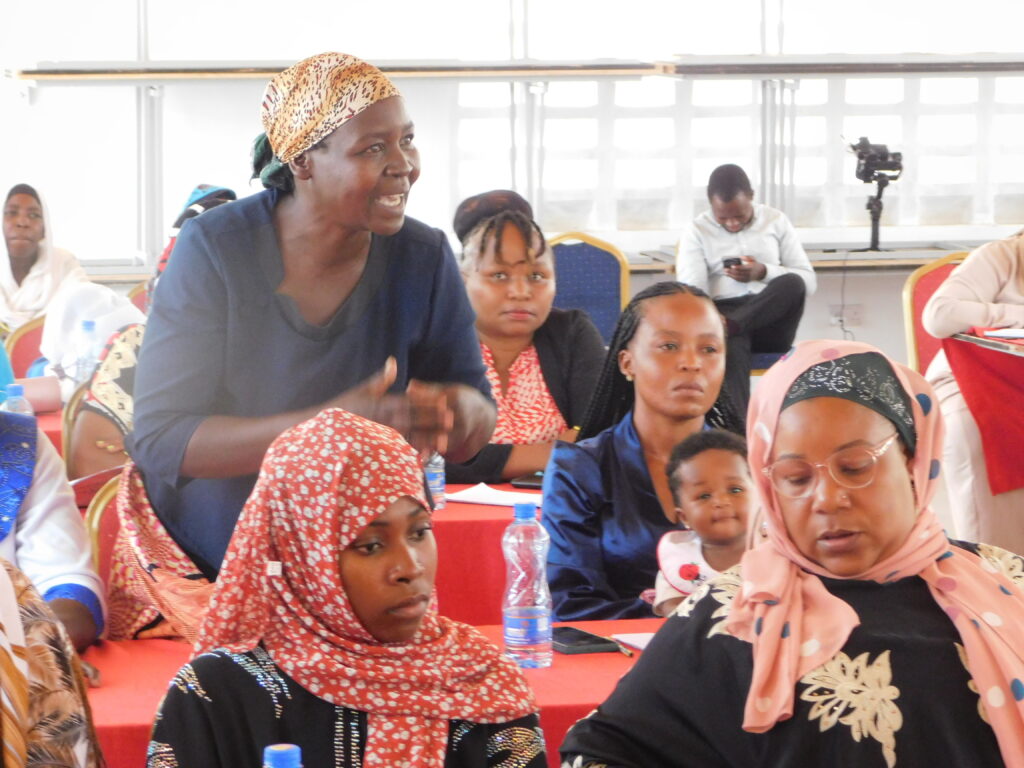
Joyce Keingati, Project Officer in charge of Marine and Fisheries says they have trained and worked with them to develop fisheries value chains to mobilize resources in order to take their businesses to the next level.
She explains, “We’ve been training and working with women to develop value chain analysis strategies, tools that help them understand their businesses, identify gaps, and use that understanding to mobilize resources and attract funding.”
The women have been trained not only in fisheries production and value addition but also in entrepreneurship and financial management, critical areas that determine whether a small business thrives or fails.
“Our collaboration with the Equity Foundation, through Equity Bank, has been a game changer,” Joyce says. They have equipped women with essential skills in budgeting, savings, investments, and digital marketing lessons that will remain with them as they grow their enterprises.”
Through such knowledge, Joyce says, it will be easy to impart it to fellow women back at home so that no one is left behind.
Through these partnerships, CANCO has also created platforms for exposure and networking where women have participated in Mombasa Trade Fairs. “Through these platforms the women have been able to showcase their products and shared experiences as small-scale fishers and traders, a step that has boosted their confidence and visibility,” says Joyce.
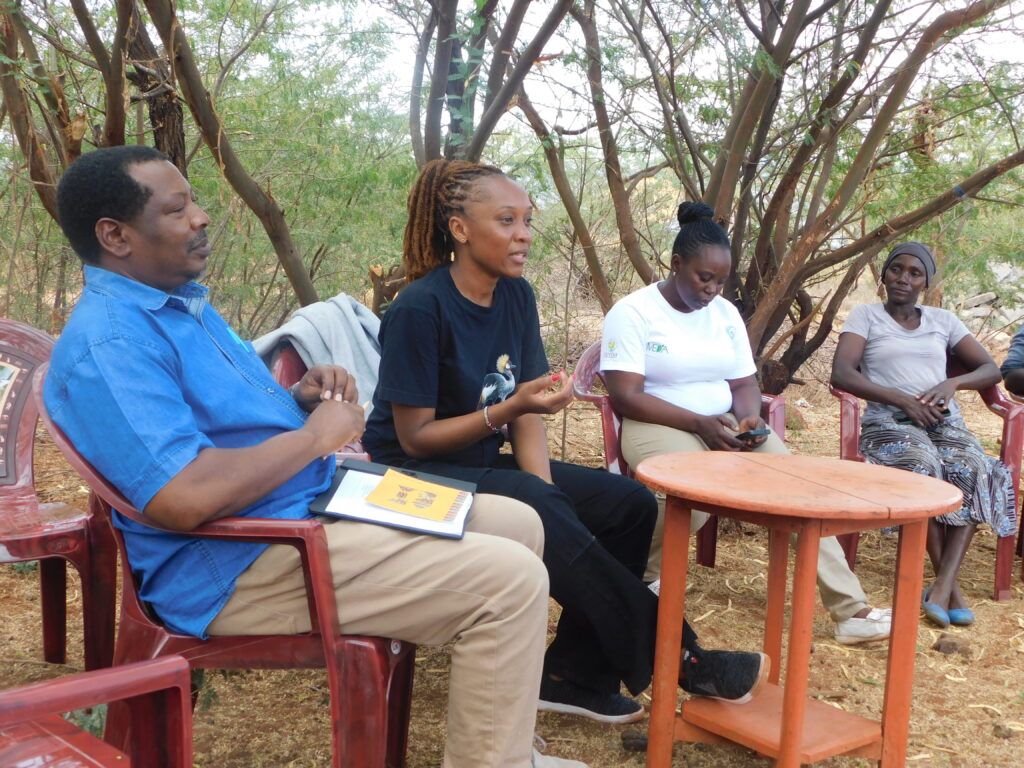
Through their own efforts and the support from organizations like CANCO and Coast Women in Fisheries Enterprises (CWIFE), the women have been slowly but steadily dismantling the stereotypes and thriving from the sector.
Some left regular employment when they felt it was no longer reliable and one such case is that of Mwanatumu Bakari, Secretary of Mwembe Beach Management Unit (BMU) and Bidii Women Group in Msambweni. her journey into fisheries began almost by accident.
“I used to work in the hospitality industry where I rose to the position of a general manager,” she recalls. “Through that, I met many people in the blue economy sector and developed an interest in what happens in the sea. My mother was also a fish dealer, and I learned the ropes from her.”
Leaving formal employment to venture into the fish trade wasn’t easy, but Mwanatumu has no regrets. “Being a fishmonger is not a small thing,” she insists. “It requires training and financial literacy. You can take a loan, buy freezers, and expand even sell as a wholesaler because the value chain is wider and lucrative too.”
On the training by Equity Bank and CANCO, Mwanatumu says, has been invaluable. “It’s not about having money; it’s about knowing how to spend it wisely. I’ve learned the importance of saving and keeping records. My account was dormant for years but got the nudge after this training and I immediately sent money to it.”
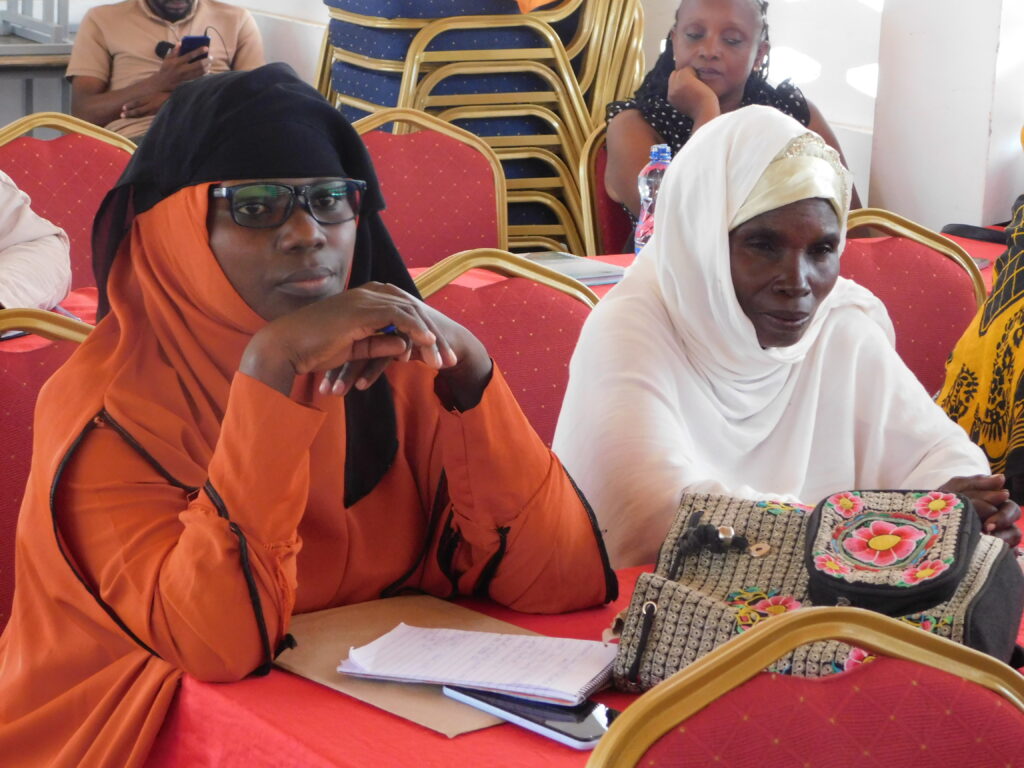
She says with advance in technology, women should not be left behind adding that the next step should be digitization, teaching women how to use digital platforms to reach new markets. “If we can digitize our businesses, we’ll greatly expand our customer base.”
The marine ecosystem is not just about fisheries and as Mwatime Mohamed pointed out, the women in their quest to partake of the proceeds coming from the sea, they realized all will not be well without having a healthy environment.
Mwatime, a member of the Bodo BMU and fish dealer, represents another face of transformation, one that links conservation with commerce.
“Traditionally, fishing and sea-related work were a preserve of men,” she explains. “But through empowerment and the establishment of BMUs, we women realized it was time to take more active roles.”
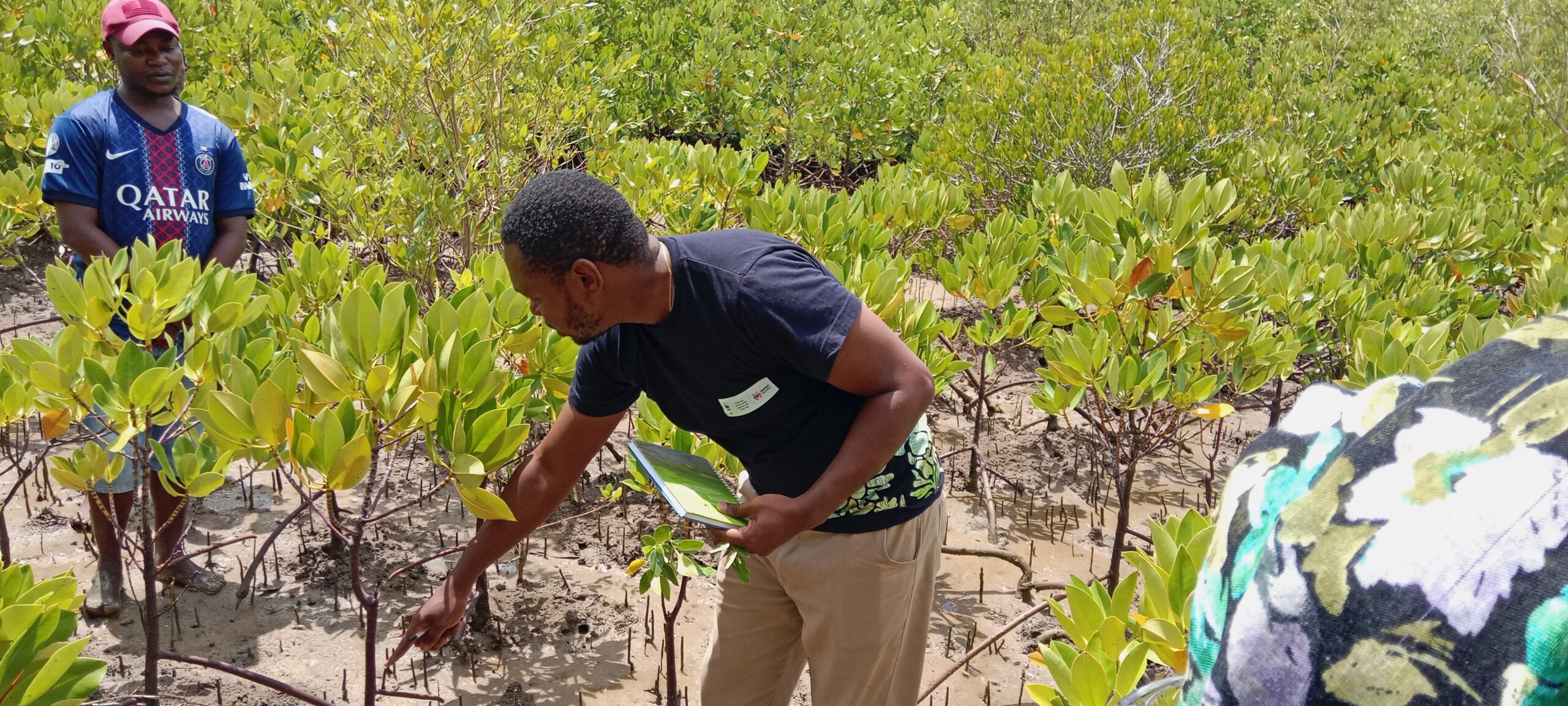
Beyond selling fish, Mwatime and her group engage in mangrove and seaweed restoration, initiatives that contribute to ecosystem health while generating income. “We’ve planted thousands of mangroves,” she says proudly. “Some organizations even buy seedlings from us, turning conservation into an income-generating activity.”
With CANCO’s support and insights from organizations like CWIFE (Coast Women in Fisheries Enterprises) these women have learned about value addition and hygiene, reducing post-harvest losses and improving the quality of their products. “We used to get just a few kilos of fish and rush to fry for sale locally; now some of us have become fish dealers, buying tons of fish and sell even outside the county,” Mwatime says.
Her biggest takeaway from the recent training was the importance of saving and record-keeping. “Even saving twenty shillings a day can build something significant if done consistently,” she says. “This kind of knowledge changes lives.”
With all the strides they have made in the fisheries sector, women still have to battle many challenges that come with the gender. For instance, women fish traders around Lake Jipe in Taita Taveta County, the challenges are many ranging from seasonal fish stocks to exploitative practices and poor infrastructure.
“Some fishermen still demand sexual favors before selling fish to women,” she says. “At first, no one spoke about it,” said Eunice Kageha.”
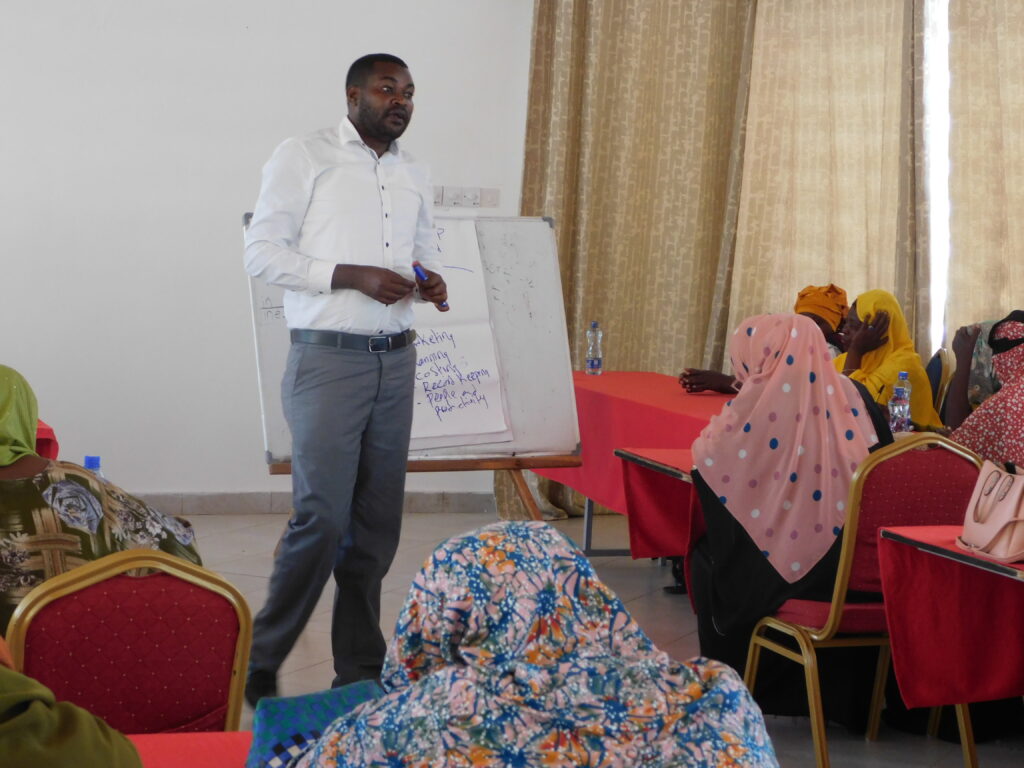
Eunice has experienced them all. She speaks candidly about the exploitation that women traders face. But with empowerment from Mercy Mghanga, Director of the Coast Women in Fisheries Entrepreneurship (CWIFE),and CANCO, we’ve learned to say no and stand up for our rights.”
Eunice says the two-day training changed her perception of business. “It’s not just about selling fish; it’s about doing business better, understanding savings, reinvestment, and growth. I am leaving this training more informed and ready to improve and expand my business.”
“For years, I traded in fish with very little to show for it,” she says. “But through Mercy who linked us to CANCO, I’ve gained a new perspective. The training on finance management and entrepreneurship has opened my eyes.”
Further inland, at Lake Challa, it’s a different story of a different kind of challenge for the women in the fisheries sector. Fatuma Joseph from Imbaria BMU, a fish dealer and BMU member, describes a tough environment where women struggle even to access the lake to get fish.
“Getting to the landing site is hard there’s no proper path or infrastructure,” she says. “We have to carry fish in buckets up steep slopes, and not all women can manage that.”
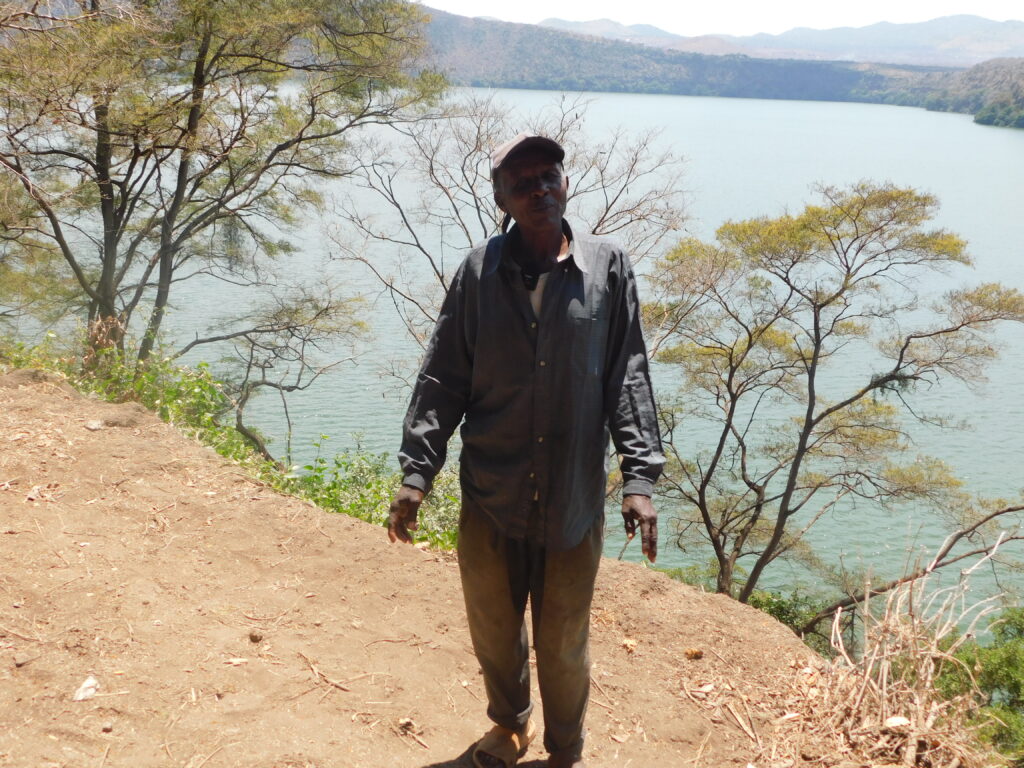
Despite these difficulties, Fatuma and other women have found strength through training and collective action. “Through CANCO, we’ve learned about hygiene, value addition, and our rights as women in fisheries,” she says. “We’re no longer silent. We’re asking for a proper landing site and support to make our businesses viable.”
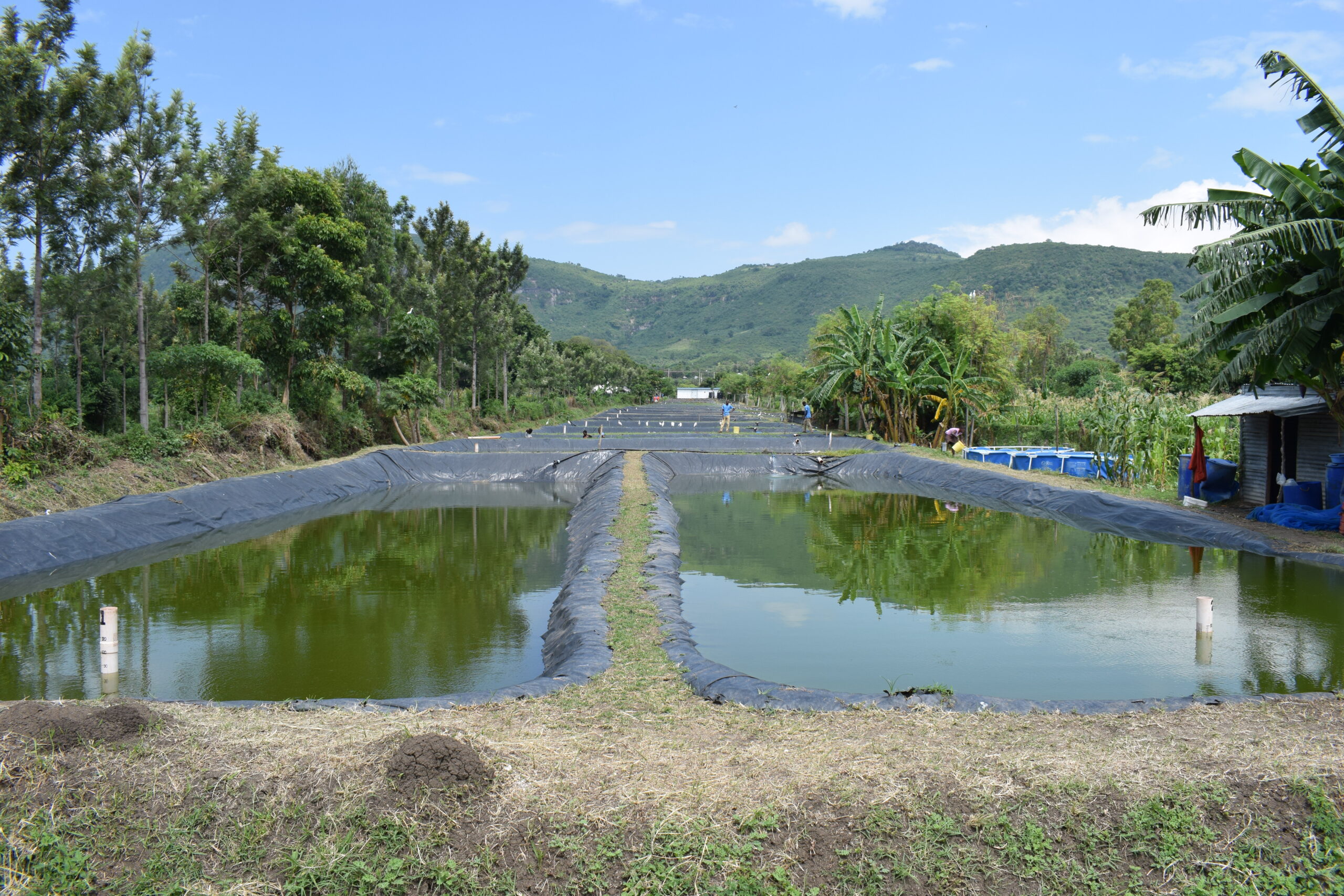
Very little was known about Lake Challa but thanks to CANCO which organized the first ever World Fisheries Day celebrations in the area, there has been more visibility and recognition of the fishers. Fatuma highlights the need for technology and infrastructure to improve fish harvesting and storage. “Our fish is of good quality, very sweet, rich in oil and nutrients but we need better facilities like freezers to prevent losses and reach larger markets.”
For Mariana Masenga Ibrahim, also a fish trader at Lake Challa, visibility is one of the biggest changes CANCO has brought. “Before CANCO came, no one even knew about us or the lake,” she says. “They brought the World Fisheries Day celebrations here, putting us on the map. The training on financial management and saving has opened doors now we can go back home and teach other women.”
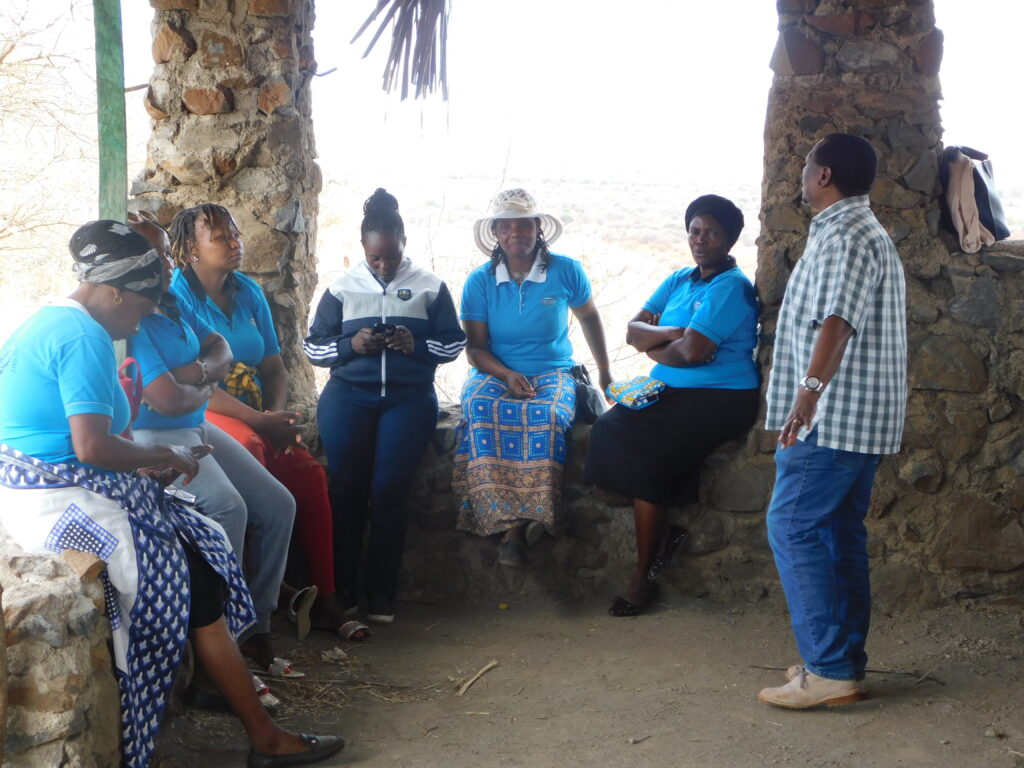
At the heart of these initiatives is Mercy Mghanga, Director of CWIFE, a tireless advocate for women in fisheries. Her message to the women in the fisheries sector was brief but to the point highlighting a critical issue about fish quality control. She describes it as one of the biggest barriers preventing Kenyan fish from accessing lucrative international markets.
“The hygiene standards across the value chain are low,” she says. “From fishing vessels to nets and handling, we need to ensure proper sanitation. Even the women handling fish must meet health standards. Currently, we can’t export to the European Union because of poor quality control.”
Mercy calls for stronger policies and more accountability. “Funds meant for fishers, like those from the World Bank, often end up benefiting a few influential individuals instead of the actual fishers and we must call this out,” she says.
Through her experience in the fisheries enterprises including her role in formulating policies to drive the industry, Mercy believes the solution lies in continued training, exposure, and practical empowerment.
“Many women are stuck at the same level buying just two or five kilos of fish. We want them to think bigger to become wholesalers, exporters, and innovators. Trainings like these should last a week and include all aspects of the trade from value addition to marketing.”